

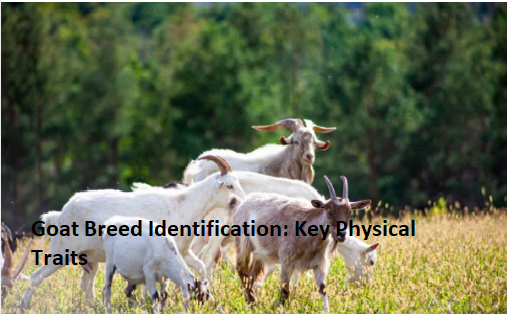
Mastering goat breed identification involves looking closely at ear shape, coat texture, and body conformation rather than just guessing based on color. Whether you are managing a small homestead or selecting livestock for commercial production, understanding these distinct physical markers is essential for making informed purchasing decisions.
Determining the specific lineage of a goat relies on a few primary physical indicators that set different groups apart. If you need to identify a goat quickly, look first at the shape and orientation of its ears, which are often the most defining characteristic. Dairy goats like the Nubian display long, pendulous ears, while most Swiss-derived breeds carry their ears in an upright, alert position.
You should also check the bridge of the nose, as a Roman nose profile is a strong indicator of specific heritage. These visual cues, when combined with an assessment of size and horn structure, provide a reliable framework for classification.
Classifying Goats by Primary Usage
Goat breeds are generally categorized based on their intended economic output: dairy, meat, fiber, or utility. Dairy goats are typically lean, angular, and possess high-capacity udders, while meat goats are built for heavy muscle development and rapid growth.
Fiber goats, such as Angora or Cashmere, are characterized by their distinct, long, or dense coats that require specific management. Identifying the breed’s purpose helps you narrow down the field before you even inspect the animal’s individual features.
Understanding Dairy Conformation
The dairy goat is built for efficient milk production, often displaying a “wedge” shape when viewed from the side or front. Look for a clean neck, sharp withers, and a wide rear udder attachment that shows depth and capacity.
High-producing dairy breeds like the Saanen or Alpine rarely carry excess fat, as they redirect their nutritional intake into milk volume. If a goat looks fleshy or thick-boned, it is likely not a dedicated dairy breed and may be a crossbreed or a meat-type animal.
Recognizing Meat Breed Characteristics
Meat goats focus on muscle mass, particularly in the loin and hindquarters. Breeds such as the Boer or Kiko exhibit a blocky, rectangular frame that prioritizes weight gain over milk yield.
You will often notice a wider stance and a thicker neck, especially in bucks, which indicates the animal’s capacity for meat production. These animals are generally hardier in various climates and maintain their condition on pasture more effectively than their dairy counterparts.
The Role of Ear Shape in Identification
Ear shape is perhaps the most famous indicator used for goat breed identification in the field. This trait is so dominant that it often serves as the first point of reference for breeders and judges. You can split almost all domestic goats into two distinct camps based on this single feature.
- Pendulous Ears: Long, drooping ears that extend past the face, common in Nubians and various tropical breeds.
- Erect Ears: Short, stiff ears held upright, characteristic of Alpine, Saanen, and Toggenburg breeds.
- Gopher Ears: Extremely small, non-existent cartilage structures, found in LaMancha goats.
- Elf Ears: Small, horizontal appendages that are slightly larger than gopher ears but remain very short.
Analyzing Coat and Color Patterns
While color is often the most deceptive trait because many breeds come in various shades, coat texture provides genuine evidence of breed origin. The Angora goat, for example, is identifiable by its long, silky mohair locks that grow continuously.
In contrast, standard dairy breeds possess short, smooth hair that lies flat against the body during the summer months. You should also observe the presence of a “beard” or “wattles,” as these are common in specific lineages but absent in others.
Fiber Characteristics
Fiber breeds require a closer inspection of the undercoat. Cashmere goats, for instance, are not a single defined breed but rather a classification based on the production of a fine, soft downy undercoat.
You can identify these animals by parting the long, coarse outer guard hairs to reveal the dense, insulating layer underneath. If you are examining a potential fiber animal, the density and crimp of this undercoat are the primary metrics for quality.
Seasonal Coat Changes
Many goats shed their winter undercoat in the spring, which can make breed identification difficult during transitional seasons. A goat that looks like a rugged mountain animal in February might appear sleek and thin by June.
Always account for the current season when evaluating coat length or density. A thick, shaggy coat in mid-July might indicate a breed adapted to colder climates or a potential health issue regarding shedding.
Comparing Common Goat Breeds
To streamline your identification process, compare the physical traits of popular breeds side by side. The following table highlights the key differences between common dairy and meat breeds found in many agricultural settings.
| Breed | Primary Use | Ear Type | Common Profile |
|---|---|---|---|
| Nubian | Dairy | Long/Pendulous | Roman Nose |
| Boer | Meat | Drooping | White body/Red head |
| Saanen | Dairy | Erect | Solid white |
| Alpine | Dairy | Erect | Varied markings |
| LaMancha | Dairy | Gopher/Elf | Short-eared |
Assessing Body Condition and Frame
Body frame size varies significantly across breeds, providing another layer of identification for the experienced observer. A standard Nigerian Dwarf goat will never reach the frame size of a mature Alpine, regardless of nutrition.
You should look for the skeletal structure, which remains consistent even if the animal is underweight or overweight. The width of the chest floor and the length of the cannon bone are structural indicators that point toward specific breed standards.
The Importance of Skeletal Structure
Skeletal proportions are hard to fake or alter through diet. A dairy breed will have finer, flatter bone structure in the legs, whereas meat breeds tend to have thicker, sturdier bone to support their heavier muscle mass.
When you look at the legs, check for the angle of the pasterns and the overall set of the hocks. These structural details are often documented by the American Dairy Goat Association and serve as a blueprint for breed-specific expectations.
Weight and Height Benchmarks
Weight is a functional indicator but is highly dependent on management. A goat that is well-fed will always look different from one on a restricted diet, making height a more stable metric for identification.
Measure the goat at the withers to get a true sense of its frame size. Comparing this height to breed-specific height standards is a much more reliable way to identify the animal’s potential background.
Identifying Crossbreeds and Mixed Heritage
Most goats found on small farms are not purebreds, which complicates the identification process significantly. You will often encounter animals with “mixed” traits, such as an Alpine-Boer cross that has the erect ears of the dairy side but the heavy muscle of the meat side.
When identifying these animals, look for the most dominant traits that influence their function. If the animal has the capacity for milk production, it is likely being managed as a dairy type, regardless of its mixed lineage.
The Challenge of Hybrid Vigor
Crossbreeding often leads to hybrid vigor, where the offspring may be larger or hardier than either parent breed. This can make an animal look like a distinct, larger version of its parents, confusing the identification process.
Do not be surprised if a crossbred animal defies typical breed standards for size or coat color. Focus on the core structural traits—ears, nose shape, and skeletal frame—to determine the most likely ancestral mix.
Documentation and Pedigree
The only way to be 100% certain of a goat’s breed is through registration papers. Physical appearance is only an estimate, and many goats may look like a specific breed while lacking the genetic purity.
If you are purchasing animals for a breeding program, always request the official documentation. Relying solely on your eyes for identification can lead to surprises in the next generation of kids.
Common Questions About Goat Identification
What is the easiest way to identify a goat breed?
The most reliable method is to start with ear shape and facial profile. These traits are highly heritable and often serve as the defining characteristic for major breed groups.
Can I identify a goat by its color?
Color is rarely a reliable indicator because many breeds, such as the Alpine or Nubian, come in a wide variety of patterns and shades. You should use color only as a secondary observation after checking body type and ear structure.
Why do some goats have no ears?
The LaMancha breed is famous for having “gopher” ears, which are essentially absent. This is a deliberate breed standard, not a birth defect, and is used as a primary identification mark for the breed.
How do I tell if a goat is for meat or milk?
Look at the animal’s overall conformation; dairy goats are angular and lean, while meat goats are blocky and muscular. A dairy goat will have a pronounced udder structure, while a meat goat will prioritize muscle mass in the loin and hindquarters.
Does the goat’s nose shape matter?
Yes, the profile of the nose is a significant breed indicator. A convex or “Roman” nose is a classic trait of the Nubian, while many other dairy breeds have a straight facial profile.
Final Thoughts on Breed Recognition
Developing an eye for goat breed identification takes time and consistent observation of different herds. You will find that the more animals you handle, the easier it becomes to spot the subtle differences in bone structure and ear placement that define a breed. Remember that while physical traits provide a strong foundation, the true value of an animal lies in its health, temperament, and performance within your specific management system.
Whether you are aiming for show-quality stock or functional farm animals, use these visual markers as a starting point. Always seek out registered animals if you intend to maintain a purebred line.
By combining these structural observations with proper documentation, you can confidently navigate the process of selecting the right goats for your needs. Engagement with local breeders and agricultural experts will further refine your skills over time.
