

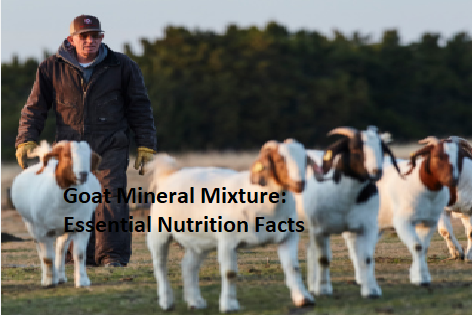
Providing a high-quality goat mineral mixture is the most effective way to ensure your herd maintains optimal health, reproductive success, and immune function. Because common forage often lacks the specific balance of trace elements required by caprine physiology, supplementation is not optional for serious breeders.
You will find that understanding the precise ratios of copper, selenium, and zinc prevents costly health crises. This article clarifies exactly what your animals need to thrive and how to manage their intake effectively.
The most critical fact regarding a goat mineral mixture is the specific requirement for copper. Unlike sheep, which can be poisoned by copper levels found in standard livestock feeds, goats have a high physiological demand for this element.
A proper blend should contain between 1,500 and 2,500 parts per million (ppm) of copper to prevent deficiency symptoms like brittle hair, poor growth, and anemia. If you are keeping goats alongside sheep, you must provide separate mineral stations to avoid exposing the sheep to these necessary but toxic-for-them levels.
Understanding Caprine Nutritional Requirements
Goats are browsers by nature, yet they are rarely kept in environments with the botanical diversity required to meet all their mineral needs. When you rely solely on pasture or grass hay, you are likely leaving gaps in their micronutrient profile. A dedicated supplement fills these voids, particularly regarding microminerals that influence enzymatic reactions and structural development.
Without adequate supplementation, you may notice subtle signs of decline that eventually manifest as major veterinary issues. For instance, a deficiency in selenium—often linked to soil quality in regions like the Pacific Northwest—can cause white muscle disease in kids. By providing a consistent, free-choice mineral, you mitigate these environmental risks before they impact your bottom line.
The Role of Copper and Selenium
Copper is perhaps the most debated element in caprine nutrition. It is vital for pigmentation, connective tissue synthesis, and iron absorption. When a goat is copper-deficient, its coat often loses its luster and turns a reddish or “bleached” color, especially along the spine.
Selenium, conversely, acts as an antioxidant and is essential for muscle health and reproductive performance. It works in tandem with Vitamin E, and you should look for a mixture that includes both in bioavailable forms. Always check the label to ensure the selenium levels comply with your local agricultural extension guidelines, as excessive selenium can also be toxic.
Comparing Mineral Delivery Methods
You generally have three ways to offer minerals to your herd: loose minerals, compressed blocks, or top-dressing on feed. Loose minerals are widely considered the gold standard for goats because they allow the animal to consume the product easily without wearing down their teeth. Blocks are often too hard, leading to low consumption rates, which defeats the purpose of providing the supplement.
Top-dressing is an option for specific medical needs but is labor-intensive for a full herd. If you choose loose minerals, you must use a weather-resistant feeder to prevent the product from clumping or washing away during rain.
| Method | Pros | Cons |
|---|---|---|
| Loose Mineral | Easy consumption, accurate dosing | Requires a covered feeder |
| Mineral Block | Long-lasting, weather-resistant | Can cause tooth wear, inconsistent intake |
| Top-Dressing | Guaranteed intake | High labor, individual management |
Identifying Deficiency Symptoms
Observing your goats daily is the best way to determine if your current supplementation strategy is working. A healthy goat should have a shiny coat, clear eyes, and a steady growth rate. If you notice persistent issues, it is time to reassess your mineral brand or your soil quality.
- “Fish tail” hair loss at the tip of the tail (often a sign of copper deficiency).
- Reduced conception rates or frequent kidding complications.
- Weak or stunted kids that fail to thrive despite adequate milk intake.
- Hoof health issues, such as frequent abscesses or soft, brittle horn tissue.
- Increased susceptibility to parasite loads, as minerals support a strong immune system.
The Importance of Bioavailability
Not all minerals are created equal; the form in which a mineral is presented matters greatly. Organic minerals, or “chelated” minerals, are bound to proteins or amino acids, making them easier for the goat to absorb. Inorganic minerals like oxides are cheaper but often pass through the digestive tract with lower absorption rates.
When reading a label, look for sources like sulfates or amino acid complexes rather than oxides. While these products may carry a higher price tag, the increased absorption means you actually need to provide less total volume. You can find detailed resources on nutrient absorption through the eXtension Foundation, which provides research-based data on livestock management.
Managing Consumption and Intake
Goats are intelligent and typically self-regulate their mineral intake if the product is palatable. If your goats are consuming massive amounts of minerals, you may have a deficiency in their base diet that is causing them to “crave” the supplement. Conversely, if they ignore the mineral feeder entirely, the product might be stale or the location might be unappealing.
Place your mineral station in a high-traffic area, but ensure it is protected from rain and contamination from manure. Some producers find that adding a small amount of loose salt can encourage initial interest in a new mineral brand. However, do not over-salt, as this can discourage the consumption of the essential minerals contained in the mix.
Addressing Seasonal Mineral Needs
Your herd’s requirements will fluctuate throughout the year depending on their reproductive status. Does in late gestation or early lactation have significantly higher demands for calcium, phosphorus, and trace minerals. During these periods, you may need to monitor the feeder more closely to ensure they are getting enough to support both their own body and the kids.
Winter months often bring additional stress due to cold temperatures and lower-quality forage. Providing a consistent source of nutrients during this time helps maintain body condition scores and supports the immune system during harsh weather. Adjust your management strategy to account for these biological milestones to keep the herd in peak condition.
Common Mistakes in Mineral Supplementation
Many owners make the mistake of assuming that a “general purpose” livestock mineral is sufficient. These generic mixes are often designed for cattle and may lack the specific ratios of copper or selenium that goats require. Always purchase a product specifically labeled for caprine use or consult with a nutritionist to create a custom mix.
Another common error is failing to keep the mineral supply fresh. Minerals can lose their potency or become unpalatable if exposed to moisture and heat for extended periods. Clean the feeder regularly and discard any hardened, clumped, or contaminated material to ensure the goats are getting a fresh dose every day.
Frequently Asked Questions
What is the best way to introduce a new mineral mix?
Start by mixing a small amount of the new product with the old one, gradually increasing the ratio over two weeks. This helps the goats adjust to the taste without causing a sudden drop in consumption.
Can I use blocks instead of loose minerals?
While blocks are convenient, they are generally discouraged for goats. The hardness of the block can damage their teeth, and the difficulty of scraping the surface often leads to lower-than-required intake levels.
How do I know if my soil is deficient in minerals?
The most accurate method is to conduct a forage or soil test through your local university extension office. This provides a scientific baseline for what your goats are missing and helps you select a targeted supplement.
Is it safe to give goats human-grade supplements?
Avoid human supplements, as they are formulated for different metabolic rates and can contain additives that are harmful to ruminants. Always stick to products specifically formulated for the digestive physiology of goats.
Why do my goats ignore the minerals sometimes?
Goats are sensitive to the freshness and cleanliness of their food. If the minerals are dirty, damp, or have been sitting out too long, they will naturally avoid them.
Conclusion
Managing a goat mineral mixture is a cornerstone of responsible animal husbandry that directly impacts the longevity and productivity of your herd. By prioritizing high-quality, bioavailable sources and paying close attention to the specific needs of your animals, you prevent long-term health issues and ensure your goats thrive. Monitor their intake, keep the feeders clean, and observe your herd for physical cues that signal their nutritional status.
Consistent attention to these details will pay off in healthier, more resilient animals. If you have specific concerns about your herd’s health, consult with a veterinarian to refine your mineral program and secure the best results for your farm.
