

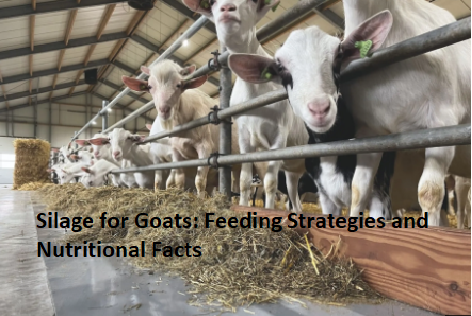
Providing high-quality forage is the cornerstone of successful goat management, and using silage for goats serves as a viable strategy to maintain herd health throughout the winter months. While many producers rely heavily on dry hay, fermented forage offers a way to preserve nutrients that might otherwise be lost during the curing process.
Understanding the fermentation chemistry and physical limitations of goats is essential for anyone considering this feed source. This article covers the nutritional realities, the risks of spoilage, and the practical implementation of using silage for goats in your daily feeding routine.
Feeding silage to goats is generally safe and nutritionally beneficial, provided the material is of high quality and free from mold. Goats are highly selective browsers, meaning they are particularly sensitive to the smell and texture of fermented feed. If the silage has a pH above 4.5 or shows visible signs of decay, goats will often refuse to eat it, or worse, suffer from metabolic issues.
You must ensure the dry matter content is between 30% and 40% to prevent the growth of harmful bacteria like Clostridium. When properly managed, it serves as an excellent source of energy and protein during periods when fresh pasture is unavailable.
Understanding the Fermentation Process
The transformation of green forage into silage relies on the exclusion of oxygen to encourage lactic acid bacteria. These bacteria consume the sugars present in the plant material and convert them into acid, which naturally preserves the crop.
For goats, the quality of this fermentation is even more critical than for cattle because goats are prone to digestive upsets from poor-quality feed. If the fermentation is slow or incomplete, the resulting product can harbor pathogens that are dangerous to your herd.
Temperature control within the bunker or silo plays a massive role in the final product. Ideally, the forage should be packed tightly to remove air pockets, which prevents the aerobic bacteria from overheating the pile.
Excessive heat can lead to a process known as Maillard reaction, which binds protein to fiber and makes it indigestible for the goat. You should aim to keep the temperature below 120 degrees Fahrenheit during the initial fermentation phase.
Monitoring the moisture levels is the most effective way to gauge the success of your preservation efforts. If the forage is too wet, it will produce butyric acid, which gives the silage a foul, rancid smell that goats find repulsive.
If it is too dry, it will not pack properly, leading to mold growth due to trapped air. Aiming for a consistent moisture profile ensures that every bale or scoop provides the same nutritional value to the animals.
Nutritional Comparisons for Goat Herds
Comparing silage to traditional hay reveals significant differences in how nutrients are retained during storage. Hay relies on sun-drying, which can strip away volatile vitamins and leaf fragments if the weather is not ideal.
Silage locks these nutrients in place by sealing the forage in an anaerobic environment. The table below outlines the general nutritional differences producers observe when switching between these two forage types.
| Nutrient Category | Typical Silage Value | Typical Dry Hay Value |
|---|---|---|
| Crude Protein | 14% – 18% | 10% – 14% |
| Energy (TDN) | 65% – 70% | 55% – 62% |
| Moisture Content | 60% – 70% | 10% – 15% |
| Vitamin A/E Retention | High | Moderate |
These figures demonstrate why many farmers see improved body condition scores in their goats when silage is introduced. The higher energy density allows for better milk production in lactating does and faster growth rates in kids.
However, because silage is heavier due to its moisture content, you must adjust your feeding amounts to ensure the goats are receiving enough dry matter. A goat typically consumes 3% to 4% of its body weight in dry matter daily.
Risks of Listeriosis in Fermented Feed
One of the primary concerns when feeding silage for goats is the risk of Listeria monocytogenes. This bacterium thrives in poorly fermented silage, particularly in areas where the soil pH is alkaline or where the forage has been contaminated with dirt during harvest.
Listeriosis is a serious neurological disease that can cause circling, facial paralysis, and death in goats. It is notoriously difficult to treat once clinical signs appear, making prevention through proper feed management the only reliable defense.
To minimize this risk, you should never feed silage that has been sitting open in the feed bunk for more than 24 hours. Once exposed to air, the fermentation process reverses, and spoilage begins almost immediately.
You should also avoid feeding the bottom layer of a bunker silo, as this area is often the most prone to soil contamination. Keeping the face of the silage pile smooth and compact prevents oxygen penetration and limits the window for bacterial growth.
If you suspect your silage quality has degraded, it is safer to discard it than to risk the health of your herd. You can consult the eXtension Foundation for specific guidelines on managing forage health.
Always store your feed in a location that is protected from wildlife, as feces from rodents or birds can introduce pathogens into the silage. Maintaining high sanitary standards during the harvesting and storage process protects your investment and your animals.
Practical Feeding Strategies for Small Herds
For producers with smaller herds, managing large bunker silos is often impractical and economically unviable. Baleage, which is silage wrapped in individual plastic bales, is a much more manageable solution for farms with fewer than 50 head of goats.
These bales are easy to move, store, and open, allowing you to feed a small amount at a time without exposing the entire winter supply to air. The plastic wrap creates a tight seal that prevents spoilage for months at a time.
When transitioning your goats to a silage-based diet, do so slowly over the course of two weeks. Goats have a sensitive rumen microbiome, and sudden changes in diet can lead to acidosis or severe diarrhea.
Start by mixing a small amount of silage with their existing hay, gradually increasing the ratio until they are comfortable with the new feed. Watch for signs of sorting, where the goats pick out the leafy parts and leave the stems, as this indicates the silage might be too coarse.
Consistency in the feeding schedule is just as important as the quality of the feed itself. Goats prefer a routine and are more likely to thrive when they receive the same quality of forage at the same time every day.
Ensure that your feeding troughs are designed to prevent the goats from climbing into the feed, as this leads to contamination and waste. A raised manger is usually the best option for keeping the silage clean and accessible.
Identifying Quality Issues Early
Developing an eye for high-quality silage takes time, but there are several indicators you can use to check your feed. A good batch of silage will have a pleasant, slightly vinegary, or fruity smell.
If the silage smells like ammonia, vinegar, or rotting vegetation, it has undergone secondary fermentation and should not be fed to your animals. The color should remain relatively close to the original forage, though some darkening is normal.
Texture is another indicator of quality that you should evaluate during every feeding. The forage should feel firm and hold its shape when squeezed, rather than turning into a mushy, slimy consistency.
If you find white or colored mold patches, you must remove them entirely before offering the rest of the bale to the goats. Even a small amount of visible mold can contain mycotoxins that interfere with the goat’s immune system and reproductive performance.
* Check for a pH value between 3.8 and 4.2.
* Ensure there are no visible signs of black or grey mold.
* Verify that the temperature of the silage pile is stable.
* Watch for signs of heat damage, such as a sweet, tobacco-like odor.
* Confirm the moisture content is appropriate for the storage method.
Regular testing through a professional laboratory is the only way to know the exact nutritional profile of your silage. You should send a sample of your forage for analysis at least once per season to ensure your mineral supplementation program aligns with the feed’s content. This data allows you to adjust your grain rations or mineral blocks, preventing deficiencies that might otherwise go unnoticed.
Equipment and Labor Considerations
Investing in the equipment to produce or handle silage for goats is a significant financial decision that depends on your farm’s scale. For those who purchase silage rather than producing it, you will need a reliable way to transport and store the heavy, moisture-laden bales.
A skid steer or tractor with a front-end loader is standard for moving these bales safely. You must also consider the cost of plastic wrap and the labor required to manage the disposal of this waste after the season.
If you are producing your own silage, you will need a mower-conditioner, a rake, and a baler capable of handling high-moisture crops. The baler must be able to compress the forage tightly to ensure proper fermentation, as loose bales will inevitably spoil.
Factor in the cost of fuel, maintenance, and the specialized wrapping equipment required to seal the bales immediately after they are formed. For many small-scale farmers, it is often more cost-effective to partner with a neighbor who already has the necessary machinery.
Labor requirements for feeding silage are generally higher than for dry hay due to the weight and the need for daily management. You must physically move the feed to the barn and ensure it is distributed evenly to prevent competition among the goats.
Because silage is perishable, you cannot simply put out a week’s worth of feed at once. This daily commitment is a necessary trade-off for the superior nutrition that silage provides.
Environmental Impact and Sustainability
Using silage as a forage source can be a highly sustainable practice, especially when it is integrated into a rotational grazing system. By harvesting surplus spring growth for silage, you prevent the pasture from becoming over-mature and losing its nutritional value.
This allows you to maintain a higher stocking density on your farm without degrading the soil. The land is essentially being managed to produce maximum biomass, which is then preserved for the months when the earth is dormant.
The plastic waste generated by baleage is a legitimate environmental concern that must be managed responsibly. Many agricultural supply stores now offer recycling programs for used silage wrap, which keeps the material out of landfills.
You should research local disposal options before you start your first season of feeding silage. By treating the plastic as a reusable resource rather than trash, you reduce the overall ecological footprint of your goat operation.
Another aspect of sustainability is the reduction of reliance on imported grains. By optimizing the quality of your home-grown forage through the silage process, you can often reduce the amount of expensive concentrate feed you need to purchase.
Goats are efficient converters of fiber, and providing them with high-energy silage allows them to meet their metabolic needs with fewer inputs. This improves your farm’s bottom line while promoting a more circular nutrient cycle on your property.
Common Questions About Goat Nutrition
Is silage good for goats compared to alfalfa hay?
Silage is excellent for goats if it is high quality, but it does not replace the need for fiber-rich dry hay. Many farmers feed a mix of both to ensure the rumen maintains proper motility. Alfalfa hay provides a consistent source of protein and calcium, while silage offers better energy retention.
Can silage cause bloat in my herd?
Yes, if the silage is too high in moisture or if the goats are not transitioned onto it gradually, it can lead to digestive issues. Always ensure the dry matter content is at least 30% and introduce the feed slowly. Monitoring the herd for signs of discomfort during the first few days is crucial.
What is the most common reason for silage failure?
The most common cause of failure is poor compaction during the baling or packing process. When oxygen is left in the pile, it encourages the growth of molds and aerobic bacteria that destroy the nutrients. Proper equipment and timing are essential to achieving an anaerobic environment.
How much silage should a goat eat daily?
A goat will typically consume 3% to 4% of its body weight in dry matter, but because silage is wet, you must account for the water content. A standard rule of thumb is to feed about 5 to 7 pounds of silage per day for an average-sized adult goat. Adjust this amount based on the animal’s body condition and the specific energy content of your silage.
Does fermentation kill harmful bacteria?
Proper fermentation creates an acidic environment that kills many harmful bacteria, but it does not eliminate all risks. Listeria and certain molds can survive if the pH does not drop low enough or if the silage is contaminated with soil. Maintaining high standards of hygiene during harvest is the only way to ensure safety.
Managing Your Goat Herd Long-Term
Successfully integrating silage for goats into your farming operation requires a commitment to quality control and careful observation of your animals. While the nutritional benefits are clear, the margin for error is smaller than with dry hay.
By focusing on proper harvest moisture, tight compaction, and clean storage, you can provide your goats with a superior energy source that keeps them healthy throughout the winter. Always prioritize the health of the rumen by ensuring that the forage you provide is free of spoilage and mold.
If you follow these practices, you will likely see improvements in the overall productivity and body condition of your herd. Start small, monitor your goats closely during the transition, and do not hesitate to discard any feed that does not meet the highest standards.
Feeding your goats well is the most important part of your role as a producer, and silage offers a powerful tool to achieve those goals year-round. We encourage you to reach out to local agricultural extensions to learn more about the specific forage types that grow best in your region.
