

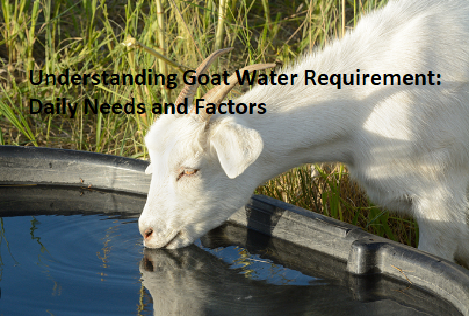
Managing the daily goat water requirement is one of the most critical aspects of maintaining a healthy herd, as hydration directly influences milk production, body temperature regulation, and digestion. While individual needs vary based on age, breed, and environmental conditions, a standard adult goat typically requires between 1 and 3 gallons of water per day. Lactating does and animals living in extreme heat will consume significantly more, sometimes doubling their intake.
Providing consistent access to clean, fresh water prevents metabolic issues like urolithiasis and ensures optimal weight gain. By understanding these baseline figures, owners can better plan their infrastructure and ensure their livestock remains productive throughout the changing seasons.
Daily Intake Estimates for Healthy Goats
The baseline figure for a standard goat water requirement is generally established at 1 to 3 gallons daily for a non-lactating adult. This volume can fluctuate based on the moisture content of the animal’s forage; goats grazing on lush, wet pasture in the spring will naturally drink less from a trough than those eating dry, cured hay in mid-winter.
Environmental temperature acts as the primary multiplier for these figures. During summer months, an animal may drink upwards of 4 to 5 gallons to compensate for evaporative cooling and panting.
Water intake is also heavily dependent on the animal’s physiological stage. A lactating doe needs a significantly higher volume to support milk synthesis, which is approximately 87% water. Failure to meet these demands will result in an immediate and measurable drop in milk volume and butterfat content.
Young, growing kids have higher metabolic rates relative to their body weight, necessitating frequent, smaller drinks throughout the day. Owners should monitor these intake levels closely during periods of high stress, such as weaning or transport, to ensure no dehydration occurs.
Factors That Influence Water Consumption
Several environmental and biological variables dictate how much water a goat consumes on a given day. The most significant factor is the dry matter intake, as goats must consume a certain amount of water to process the fiber in their diet.
High-protein diets or rations high in salt will naturally increase the urge to drink. If you are providing supplemental mineral blocks, ensure they are not overly salty, as this can lead to excessive water consumption and subsequent waste issues.
Ambient air temperature and humidity levels play a massive role in hydration. Goats do not have the same sweat gland density as horses, but they still lose significant water through respiration when temperatures exceed 85 degrees Fahrenheit.
High humidity can reduce the efficiency of their cooling mechanisms, forcing them to drink more to maintain their internal body temperature. Access to shade or indoor shelter during peak heat hours is essential to keep the goat water requirement within a manageable and healthy range.
Hydration and Digestive Health
The rumen acts as a massive internal reservoir for water, which is vital for the fermentation process. If a goat is dehydrated, the contents of the rumen become too thick, slowing down the passage of feed and leading to impaction or bloat.
Proper hydration ensures that the microbial population in the rumen remains active and capable of breaking down cellulose. This is why consistent water access is non-negotiable for ruminant health.
Water also facilitates the transport of nutrients from the digestive tract to the bloodstream. Without adequate fluid levels, the liver and kidneys struggle to process metabolic waste products effectively.
Long-term dehydration in goats is frequently linked to the formation of urinary calculi, particularly in males. By maintaining high water intake, you help keep the urine diluted, which prevents the crystallization of minerals that can block the urinary tract.
Quality and Accessibility Standards
Providing water is only half the battle; the quality of that water is equally important for maintaining a healthy herd. Goats are notoriously picky drinkers and will often refuse to consume water that is stagnant, dirty, or contaminated with feces.
If a trough contains algae or debris, the animals may cut their intake by as much as 50%, leading to sub-clinical dehydration. Regularly scrubbing troughs with a stiff brush and mild soap is a necessary chore for any serious breeder.
Accessibility is another key pillar of meeting the goat water requirement efficiently. In large pastures, goats should never have to travel more than 500 feet to find a reliable water source.
If the water source is too far away, goats will drink less frequently but in larger quantities, which is less efficient for their metabolism. Placing waterers in central, shaded locations encourages regular drinking throughout the day rather than just during morning and evening visits.
Seasonal Adjustments for Your Herd
Winter presents a unique challenge for managing water intake, as freezing temperatures can lead to ice-covered troughs. Goats are reluctant to drink ice-cold water, and they will often consume less if the temperature is near freezing.
Investing in a heated trough or a submersible tank heater is a common practice to keep the water temperature between 45 and 55 degrees Fahrenheit. This small investment often pays for itself by preventing health issues related to winter dehydration.
Summer requires a different strategy centered on keeping the water cool and free of mosquito larvae. Algae growth is rapid in direct sunlight, so placing troughs in shaded areas or using covers can reduce the need for constant scrubbing.
You should also ensure that the water flow rate is sufficient to refill the trough quickly during peak demand periods. If you rely on well water, test it periodically to ensure that mineral levels are not interfering with the goats’ willingness to drink.
Comparison of Water Needs by Category
The following table outlines the approximate daily water needs based on the physiological state of the animal. These figures serve as a planning baseline for your farm’s infrastructure.
| Goat Category | Daily Water Requirement (Gallons) |
|---|---|
| Mature Dry Doe | 1.0 – 2.0 |
| Lactating Doe | 2.5 – 5.0 |
| Growing Kid | 0.5 – 1.0 |
| Buck in Breeding Season | 2.0 – 3.0 |
| Animal in Heat Stress | 3.0 – 6.0 |
Managing Water Infrastructure
Choosing the right equipment is essential for maintaining the goat water requirement on a daily basis. Automatic waterers are highly efficient for large operations, as they provide a constant supply of fresh water without requiring manual refilling.
However, they must be checked daily to ensure the float valve is functioning correctly and has not been clogged by debris. Manual troughs are safer for smaller herds, provided they are cleaned frequently and positioned securely so they cannot be tipped over.
Consider the following list of essential features when setting up your watering system:
-
- Durable, non-corrosive materials such as heavy-duty plastic or food-grade rubber.
-
- Easy-to-clean surfaces that discourage biofilm and algae buildup.
-
- Secure mounting or heavy bases to prevent goats from pushing or climbing into the troughs.
-
- Adequate capacity to handle peak demand without running dry during the day.
-
- Protection from freezing in winter to ensure constant availability.
For more detailed information on livestock nutrition and hydration management, you can consult the National Agricultural Library resources on small ruminants. These documents provide scientific backing for specific nutritional needs across different breeds.
Common Signs of Dehydration
Recognizing the early symptoms of dehydration is a skill that every goat owner must develop. A dehydrated goat will often appear lethargic, with sunken eyes and a dry, tacky nose.
You can perform a simple skin tent test by pulling the skin over the ribs; if it stays in a peaked position rather than snapping back quickly, the animal is likely dehydrated. Reduced fecal output and small, dry, hard pellets are also classic signs that the animal is not processing enough fluid.
If you suspect dehydration, offer fresh, clean water immediately and monitor the animal’s intake over the next few hours. In severe cases, electrolyte supplements can be added to the water to help restore the balance of salts and minerals.
Always consult a veterinarian if an animal refuses to drink for more than 24 hours, as this can be a symptom of a deeper underlying illness or metabolic disorder. Prevention through consistent access is always more effective than treatment.
Frequently Asked Questions
Do goats need water every day?
Yes, goats require constant access to clean water every single day. They are not like camels and cannot store large amounts of water in their bodies, so they rely on frequent intake to maintain their metabolic functions.
Will goats drink out of a pond?
While they may drink from a pond, it is not recommended as a primary source. Pond water can harbor parasites, bacteria, and algae that cause digestive issues, and the banks can be muddy or dangerous for the animals to navigate.
Can goats drink out of a 5-gallon bucket?
A 5-gallon bucket is sufficient for a few goats, provided it is cleaned daily and refilled before it runs dry. However, it is easily tipped over, so it should be secured to a wall or placed in a heavy frame to ensure it remains upright.
What minerals do goats need daily?
Goats require a balanced intake of calcium, phosphorus, magnesium, and trace minerals like selenium and copper. These are best provided through a loose mineral mix specifically formulated for goats rather than all-purpose livestock blocks.
Why is my goat refusing to drink?
Refusal to drink is often a sign of water contamination, such as a dirty trough or an unpalatable taste from iron or sulfur in the well water. Alternatively, the animal could be suffering from a fever or a digestive blockage, which requires immediate veterinary attention.
Conclusion
Meeting the goat water requirement is the foundation of a healthy and productive herd. By providing clean, accessible water and monitoring intake based on age, lactation status, and environmental conditions, you can prevent many common health complications. Whether you are managing a small backyard group or a large commercial dairy, the principles of hydration remain the same.
Always prioritize fresh sources, maintain your equipment, and keep a close eye on your animals during extreme weather. With these practices in place, you will ensure your goats remain hydrated, comfortable, and thriving throughout the year.
