

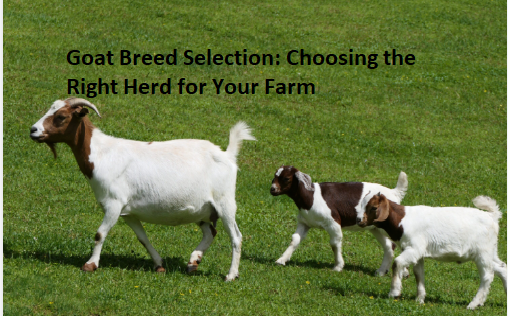
Making the right goat breed selection depends entirely on your specific end goals, whether you are aiming for milk production, meat yield, fiber harvesting, or land management. Most beginners make the mistake of choosing animals based on appearance rather than functional output or climatic suitability.
Understanding the physiological differences between breeds ensures that your investment remains sustainable over the long term. This article examines the core factors involved in matching livestock to your environment and production targets.
Defining Your Production Objectives
The most critical step in goat breed selection is identifying exactly what you want to produce. If your primary goal is dairy, you need breeds that have been genetically selected for high milk volume and butterfat content over generations.
Breeds like the Alpine or Saanen are industry standards for consistent output. These animals require a higher plane of nutrition to maintain their lactation cycles.
Conversely, if you are interested in meat production, you should focus on growth rates and carcass quality. Boer goats are the gold standard here, as they were specifically developed for their heavy muscling and rapid weight gain. You might also consider Kiko goats, which are often favored for their hardiness and ability to thrive on browse without constant human intervention.
Fiber goats, such as Angoras or Cashmere-producing breeds, require a different management strategy. Your focus here shifts toward coat density, luster, and the timing of shearing.
These breeds are generally less tolerant of extreme moisture, which can ruin the quality of the fleece. Clearly defining your primary product prevents you from ending up with a herd that fails to meet your economic or personal expectations.
Climatic Suitability and Hardiness
Your local climate dictates which breeds will thrive and which will require expensive interventions to survive. Goats are generally adaptable, but extreme humidity or intense cold can trigger respiratory issues or parasite loads that vary by breed. For instance, Nubian goats have long, pendulous ears that are prone to frostbite in harsh northern winters.
If you live in a region with high rainfall, you must prioritize breeds with natural parasite resistance. The Kiko breed, originally developed in New Zealand, is famous for its “survivability” traits. These animals possess a stronger immune response to internal parasites than many European dairy breeds.
You should also look at the origin of the breed you are considering. Breeds from arid, high-altitude regions often struggle in hot, humid coastal climates.
Researching the historical environment of a breed provides a window into its physiological strengths. Matching these natural traits to your farm’s geography reduces the need for constant medical care and expensive shelter modifications.
Evaluating Land Management Capabilities
Many people engage in goat breed selection because they have overgrown pastures that need clearing. While all goats are browsers rather than grazers, some breeds are more aggressive at attacking woody brush. Spanish goats are excellent for this purpose, as they are essentially a landrace breed that has been naturally selected for foraging efficiency.
If you have a well-manicured pasture, you might prefer a breed that is less destructive to fencing or ornamental landscaping. Dairy breeds are often more docile and easier to contain than meat-focused breeds. However, they lack the “toughness” required to clear dense thickets of briars or invasive shrubs.
You should also consider the stocking density your land can support. Smaller breeds, such as Nigerian Dwarfs, require less acreage than larger commercial breeds.
This makes them an ideal choice for hobbyists with limited space. Always calculate the forage availability of your specific acreage before committing to a breed that requires significant supplemental hay.
Comparing Breed Traits for Production
When you evaluate different breeds, it helps to see how they stack up against one another in key performance categories. The following table highlights common traits for popular breeds, though individual results will vary based on bloodlines and management.
| Breed | Primary Purpose | Hardiness | Key Characteristic |
|---|---|---|---|
| Boer | Meat | Moderate | Exceptional growth rates |
| Saanen | Dairy | Moderate | High milk volume |
| Kiko | Meat/Brush | Very High | Parasite resistance |
| Angora | Fiber | Low | High-value mohair |
| Nigerian Dwarf | Dairy/Pet | High | High butterfat content |
Managing Parasite Resistance
Internal parasite control is often the biggest hurdle for goat keepers, particularly in the southeastern United States. Some breeds have developed a higher degree of genetic resistance to Haemonchus contortus, also known as the barber’s pole worm. Research from the United States Department of Agriculture indicates that certain meat-type breeds show significantly lower fecal egg counts under heavy parasite pressure.
When selecting your herd, ask breeders about their deworming protocols. If a breeder has to deworm every few weeks, the genetic line may be susceptible to parasites.
You want to source animals from herds that are managed with minimal chemical intervention. This ensures you are buying resilience rather than just a healthy-looking animal that relies on constant medication.
Temperament and Handling Requirements
The temperament of your goats determines how much time you spend on daily chores. Dairy breeds are handled twice a day for milking, which makes them inherently more social and easier to train. If you have children or are new to livestock, a calm, docile breed is a safer starting point.
Meat breeds are often flightier and less accustomed to human touch. This is a survival trait, but it can make medical treatments or hoof trimming a difficult ordeal. You should assess your own ability to handle large, potentially stubborn animals before choosing a flighty breed.
Consider the “herd instinct” as well. Some breeds are more prone to wandering, while others prefer to stay close to their designated shelter.
If you have neighbors with gardens or crops nearby, a more sedentary breed is a significant advantage. Proper fencing is mandatory, but breed temperament is your first line of defense against escapes.
The Importance of Breed Registries
Purchasing registered stock provides you with a documented history of the animal’s genetics. This is vital if you intend to breed or sell offspring in the future. A registration paper isn’t just a piece of paper; it acts as a record of health, production, and lineage.
You can trace a buck’s sire and dam to see if they were productive members of the herd. This helps you avoid common genetic faults like teats that are improperly placed or structural issues in the legs. While unregistered “grade” goats can be wonderful animals, you have no way to verify their genetic background.
For the serious producer, buying from a reputable registry is an insurance policy. It allows you to make informed decisions about future matings to avoid inbreeding. It also connects you to a network of experienced breeders who can offer mentorship and advice as you grow your operation.
Understanding Maintenance and Costs
Every breed carries a different “cost of doing business.” High-production dairy goats require high-quality alfalfa, grain, and mineral supplements to maintain their output. If you cannot provide a premium diet, these animals will lose body condition rapidly.
Smaller, hardier breeds often have lower overhead costs. They can survive on poorer quality forage and require less grain to stay healthy.
You must be honest about your budget and your ability to source feed. It is better to have a healthy, thriving herd of a less “productive” breed than a sickly herd of high-maintenance animals.
Factor in the cost of medical supplies, fencing, and shelter as well. A breed that is prone to health issues will end up costing more in veterinary bills than you could ever hope to recoup. Always prioritize the longevity of the animal over initial production statistics.
Frequently Asked Questions
What is the lowest maintenance goat breed?
The Kiko is widely considered one of the lowest maintenance breeds due to its intense focus on parasite resistance and foraging efficiency. They are designed to thrive with minimal human intervention in varied environments.
How can I tell what breed my goat is?
If you do not have registration papers, it is nearly impossible to be certain of a goat’s breed. You can look for phenotypic traits like ear shape, coat texture, and body frame, but crossbreeding is extremely common in the goat world.
What is the best breed of goat?
There is no single “best” breed, as the choice depends on whether you need milk, meat, or fiber. A Boer goat is best for meat, while a Saanen is best for milk production.
What are the common health issues to watch for in new goats?
Common concerns include internal parasites, hoof rot, and respiratory infections like pneumonia. Always quarantine new arrivals for at least 30 days to ensure they do not introduce illness to your existing herd.
Do goats need a companion?
Yes, goats are strictly herd animals and experience severe stress if kept alone. You should always have at least two goats to ensure their psychological well-being.
Final Considerations for Your Herd
Choosing the right animals is a foundational decision that impacts every aspect of your farming life. By aligning your objectives with the inherent traits of specific breeds, you create a stable and productive environment for your livestock. Remember that successful goat breed selection is a balance between your available resources and the biological needs of the animals.
Start small, observe how different individuals perform on your specific land, and remain flexible as you learn. Whether you are aiming for a small homestead herd or a larger commercial operation, the time you spend researching now will pay dividends in animal health and farm efficiency for years to come.
