

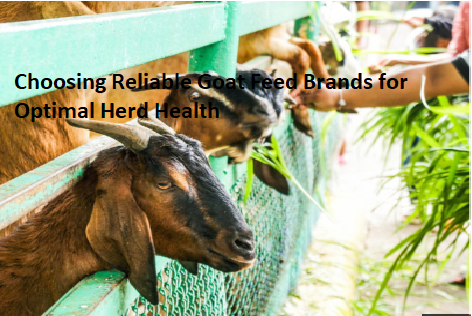
Selecting appropriate goat feed brands is a foundational step for anyone managing a herd, whether for milk production, meat, or as companions. High-quality nutrition directly impacts growth rates, reproductive success, and the overall longevity of your animals.
Understanding the differences between commercial offerings helps you avoid common pitfalls like mineral imbalances or digestive issues. This assessment of goat feed brands explores the nutritional science behind major labels and provides the clarity needed to make informed purchasing decisions for your farm.
The most widely trusted goat feed brands in the North American market generally include Purina, Kalmbach, Manna Pro, and Nutrena. These manufacturers produce standardized formulations that address specific life stages, such as nursing kids, dry does, or lactating dairy goats.
Professional producers often prioritize brands that offer consistent protein levels, typically ranging from 16% to 20%, and balanced copper-to-molybdenum ratios. While price points vary by region, agricultural cooperatives and major retailers like Tractor Supply Company stock these staples because they meet the baseline nutritional requirements established by animal science research.
Understanding Nutritional Requirements for Goats
Goats are ruminants, meaning they rely on a complex digestive system that processes fiber through microbial fermentation. Their dietary needs differ significantly from other livestock like horses or chickens.
A healthy goat requires a balance of forage, energy, protein, and essential minerals. When selecting from various goat feed brands, you must ensure the product complements the type of hay or pasture your goats consume daily.
Fiber should always constitute the bulk of a goat’s diet. Commercial pellets or grains are intended to be supplements, not the primary food source. If your goats have access to high-quality alfalfa or grass hay, you might only need a basic mineral mix.
However, high-production dairy goats often require a concentrated feed to meet the caloric demands of milk synthesis. Always check the tag for non-GMO options or specific additives if you are managing an organic operation.
The Role of Copper and Mineral Balancing
One of the most critical factors when evaluating goat feed brands is the copper content in the formula. Goats are notoriously sensitive to copper toxicity, yet they require it for coat health and immune function.
Many general-purpose livestock feeds include levels of copper that are safe for cattle but potentially fatal for goats. Reliable manufacturers formulate their goat-specific products to hover around 15 to 25 parts per million (ppm) of copper.
You should always look for a “goat-only” label on the bag to avoid accidental poisoning from sheep-specific or cattle-specific feeds. If you live in an area with high molybdenum levels in the soil, your goats may require extra copper supplementation.
Conversely, if your soil is naturally high in copper, you must be careful not to over-supplement through commercial pellets. Consult your local Cooperative Extension System office to learn about the mineral profile of your specific region.
Comparing Common Commercial Formulations
Not all bags of feed are created equal, even within the same company’s product line. Some brands focus on textured grains, which include molasses and whole corn, while others specialize in pelleted feeds that prevent selective feeding.
Selective feeding occurs when a goat picks out the tasty bits of grain and leaves the vitamins behind. Pellets ensure that every bite contains a balanced proportion of the required nutrients.
The following table compares the typical focus areas of major market participants. Note that these are generalized categories based on standard industry offerings for small-scale and commercial operations.
| Brand | Primary Market Focus | Common Product Type |
|---|---|---|
| Purina | Broad commercial availability | Pelleted and textured mixes |
| Kalmbach | Specialized dairy and show goats | High-protein, refined pellets |
| Manna Pro | Small-scale and hobby farms | Fortified, easy-to-digest pellets |
| Nutrena | Performance and growth | Balanced energy/protein blends |
Evaluating Protein Levels for Different Life Stages
Your choice of feed must evolve as your goats age and transition through different physiological states. A dry doe in maintenance mode needs significantly less protein than a buck during breeding season or a doe currently nursing triplets.
Most reputable goat feed brands offer specific lines labeled for these different phases. Look for bags that clearly define the intended user, such as “Meat Maker” or “Dairy Parlor” formulas.
Growth requires higher protein levels, typically between 16% and 18%, to support muscle and bone development. Maintenance diets usually require lower protein, often around 12% to 14%, to prevent obesity.
Overfeeding protein can be just as harmful as underfeeding, as it can stress the kidneys and lead to metabolic waste issues. Always adjust your feeding rate based on body condition scores rather than just following the instructions on the bag.
Ingredients to Avoid in Commercial Feeds
When you read labels on various goat feed brands, you should watch for specific fillers or additives that provide little nutritional value. High levels of urea, for example, are often used as a cheap nitrogen source in cattle feed but are not ideal for goats.
Some lower-quality feeds rely heavily on grain by-products or screenings that lack the necessary vitamin profile. You want to see ingredients like soybean meal, oats, and added probiotics rather than ambiguous “grain products.”
Check for the presence of coccidiostats if you are dealing with young kids. Many starter feeds include medication to prevent coccidiosis, which is a common intestinal parasite in young goats.
However, you should not keep adult goats on medicated feed indefinitely. Transitioning your herd to non-medicated options as they mature is a standard practice among experienced breeders.
The Cost-Benefit Analysis of Premium Feeds
Many beginners wonder if the price difference between generic and premium goat feed brands is worth the investment. Premium brands often invest more in research, ensuring that their vitamins are chelated for better absorption.
Chelated minerals are easier for the animal to process, meaning you might actually feed less volume to achieve the same health outcomes. Cheap feeds often require higher daily portions to meet the same nutritional thresholds.
Calculate the cost per pound of actual nutrients rather than the cost per bag. A cheaper bag with low-quality fillers might require you to feed double the amount, effectively making it more expensive in the long run.
Track your herd’s weight, milk output, and coat condition over a three-month period when switching brands. If the animals maintain a better body condition score on less feed, the premium brand is likely the more economical choice.
Storage and Freshness Considerations
Even the best goat feed brands will lose their nutritional value if stored improperly. Moisture and heat are the primary enemies of balanced feed, as they can lead to mold growth and vitamin degradation.
Always store your feed in airtight, rodent-proof containers to prevent contamination. If you purchase in bulk, ensure you are rotating your stock so that the oldest bags are used first.
Signs of spoiled feed include a musty smell, visible clumping, or the presence of insects. Never feed moldy pellets to your goats, as they can produce mycotoxins that cause severe neurological or digestive distress.
If you find a bag that appears compromised, return it to the retailer immediately rather than attempting to salvage it. Keeping your storage area cool, dry, and clean will preserve the integrity of your investment.
FAQ: Frequently Asked Questions
What is the best brand of goat feed for beginners?
Most beginners find success with major national brands like Purina or Manna Pro due to their accessibility and consistent formulations. These companies provide clear feeding guidelines on their packaging, which helps reduce the learning curve for new owners.
How do I know if a feed is safe for my goats?
Always look for the word “goat” specifically on the label. Avoid any feed labeled for sheep, as the copper levels in sheep feed are far too low and can lead to deficiency, while cattle feeds may have toxic levels of copper for goats.
Should I provide loose minerals or rely on feed?
Most commercial feeds provide a base level of minerals, but they are rarely enough to support a goat’s needs entirely. You should always provide a separate, free-choice loose mineral supplement designed specifically for goats to ensure they can self-regulate their intake based on their individual needs.
What ingredients are considered fillers?
Fillers are ingredients that provide bulk without significant nutrition, such as excessive grain dust, oat hulls, or low-quality screenings. Look for feed that lists whole grains, high-quality protein sources like soybean meal, and added vitamins and minerals as the primary components.
Is it necessary to switch brands frequently?
It is generally better to stick with one high-quality brand to maintain digestive stability. Rapid changes in feed can disrupt the sensitive microbial balance in the rumen, leading to bloat or scours; if you must switch, do so gradually over the course of a week.
Conclusion
Selecting the right goat feed brands requires a balance of nutritional science, budget considerations, and practical farm management. By focusing on products that provide the correct copper-to-molybdenum ratio, appropriate protein levels for your specific herd, and high-quality ingredients, you set your animals up for long-term health. Remember that the feed you choose should always complement the forage available on your property.
Monitor your goats closely, adjust their rations based on their life stage, and prioritize proper storage to keep their nutrition consistent. With the right approach to choosing goat feed brands, you can ensure your herd remains productive, healthy, and thriving for years to come.
