

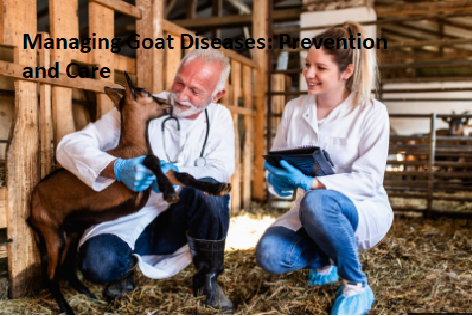
Understanding goat diseases is a fundamental requirement for anyone keeping a small herd or managing a commercial operation. Recognizing symptoms early can mean the difference between a minor setback and the loss of significant livestock assets. By identifying common health challenges and implementing strict biosecurity protocols, you ensure your animals remain productive and comfortable throughout their lives.
Common Bacterial and Viral Infections
Bacterial and viral pathogens represent the most immediate threat to herd health. Caseous Lymphadenitis, commonly known as CL, is a persistent bacterial infection characterized by abscesses in the lymph nodes. These abscesses eventually rupture, spreading pus that contains the bacteria into the environment where it can survive for months.
Foot rot is another frequent bacterial issue that thrives in moist, muddy conditions. It causes lameness and severe inflammation between the hooves, often requiring aggressive trimming and topical antibiotic treatment. Left untreated, the infection can permanently damage the sensitive structures within the foot.
Caprine Arthritis Encephalitis, or CAE, is a viral disease that remains a major concern for breeders worldwide. It often manifests as chronic joint swelling or respiratory issues in adult animals. Because there is no cure, testing your herd annually is the standard practice for maintaining a disease-free status.
Internal and External Parasites
Parasitic infestations are arguably the most common cause of health decline in goats. The Barber Pole Worm, or Haemonchus contortus, is a blood-sucking parasite that causes severe anemia and death if not managed. Producers often rely on FAMACHA scoring to check the color of the eyelid mucosa, which serves as a reliable indicator of parasite load.
Coccidiosis primarily affects younger kids, causing significant diarrhea and dehydration. It is caused by protozoa that thrive in crowded or unsanitary housing conditions. Managing this requires strict sanitation and the use of anticoccidial medications when environmental stressors are high.
External parasites like lice, mites, and ticks also pose a significant burden on animal productivity. These pests cause intense itching, leading to hair loss and anemia in severe cases. Regular inspection of the skin and coat allows for prompt intervention with appropriate pour-on or spray treatments.
Nutritional and Metabolic Disorders
Pregnancy toxemia, or ketosis, occurs when a pregnant doe is unable to meet the energy demands of her growing fetuses. This typically happens in the final weeks of gestation, especially with animals carrying multiples. You will notice a lack of appetite, lethargy, and a distinct sweet smell on the animal’s breath.
Polioencephalomalacia is a metabolic condition linked to thiamine deficiency or sulfur toxicity. It results in neurological symptoms, such as blindness, head pressing, and an uncoordinated gait. Prompt administration of injectable thiamine can often reverse these symptoms if caught within the first few hours of onset.
Urinary calculi represent a major risk for wethers and bucks, particularly those on high-grain diets. The formation of mineral stones in the urinary tract causes a painful blockage that can be fatal within days. Ensuring a proper calcium-to-phosphorus ratio in the daily ration is the most effective way to prevent these blockages.
Key Symptoms to Monitor
Recognizing when an animal is failing to thrive requires a sharp eye and consistent observation. A healthy goat should be alert, inquisitive, and maintain a steady rhythm while chewing its cud. Any deviation from these normal behaviors should trigger an immediate health assessment.
Physical indicators of illness
- Change in fecal consistency, such as diarrhea or pellet clumping.
- Unexplained weight loss or a sunken appearance in the flanks.
- Visible discharge from the nose, eyes, or ears.
- Abnormal posture, such as arching the back or constant head drooping.
- Isolation from the rest of the herd during feeding times.
Monitoring the body temperature is another essential tool for diagnosis. A normal rectal temperature for an adult goat typically ranges between 101.5°F and 103.5°F. Anything significantly higher or lower indicates a systemic issue that requires professional veterinary evaluation.
Biosecurity and Herd Health Planning
Establishing a robust biosecurity plan is the primary defense against the introduction of new pathogens. Always quarantine new arrivals for a minimum of 30 days before integrating them with your existing herd. This period allows you to observe for signs of illness that might not be visible upon immediate inspection.
Limit the number of visitors who enter your pens, as they can inadvertently track in bacteria or viruses on their footwear. Providing footbaths or dedicated boots for barn use significantly reduces the risk of cross-contamination. Keep records of all vaccinations and deworming treatments to track the health history of each individual animal.
Consulting with a licensed veterinarian is essential for developing a region-specific vaccination schedule. While core vaccines like CD&T are standard, your specific location may require additional protection against regional threats. For detailed information on specific vaccination protocols, you can review the guidelines provided by the Animal and Plant Health Inspection Service.
Comparison of Common Goat Health Indicators
Table 1 highlights the typical signs and management strategies for some of the most prevalent issues encountered by goat owners. Keeping this data handy helps in making quick decisions when an animal shows signs of distress.
| Condition | Primary Symptom | Management Focus |
|---|---|---|
| Caseous Lymphadenitis | Lymph node abscesses | Culling or isolation |
| Barber Pole Worm | Pale eyelid membranes | Pasture rotation |
| Urinary Calculi | Straining to urinate | Mineral balance |
| Foot Rot | Severe lameness | Hoof trimming |
Environmental Management Practices
The environment where goats live directly influences their susceptibility to various goat diseases. Proper drainage is critical, as stagnant water and mud provide breeding grounds for bacteria and parasites. Ensure that housing structures have adequate ventilation to prevent the buildup of ammonia, which irritates the respiratory tract.
Overcrowding increases the speed at which infectious diseases spread through a herd. Provide sufficient bunk space so that every animal can eat comfortably without being pushed away by more dominant goats. This reduces stress, which is a major factor in suppressing the immune system of younger or weaker animals.
Regular cleaning of feeding and watering equipment is often overlooked but remains a critical task. Water troughs can quickly become contaminated with feces or debris, leading to the spread of intestinal pathogens. Scrubbing these containers at least once a week helps maintain high water quality and reduces the risk of secondary infections.
Emergency Response and Veterinary Care
Knowing when to call a veterinarian is as important as knowing how to treat minor injuries yourself. If an animal is showing signs of acute distress, such as labored breathing, complete anorexia, or an inability to stand, do not wait for the situation to resolve on its own. These conditions often progress rapidly and require professional intervention.
Keep a well-stocked medical kit on hand that includes basic supplies like thermometers, sterile bandages, antiseptic sprays, and oral electrolytes. Having these items ready allows you to provide immediate support while waiting for the vet to arrive. Always store medications in a cool, dry place and check expiration dates at least twice a year.
Building a relationship with a large-animal veterinarian before an emergency occurs is a smart management strategy. Many vets are more willing to assist clients who have a history of good record-keeping and proactive animal care. Ask for advice on what specific medications you should keep on hand based on the common risks in your local area.
Frequently Asked Questions
How often should I deworm my goats?
Deworming should never be done on a set schedule, as this leads to drug resistance in parasites. Instead, use the FAMACHA system to identify which animals actually need treatment based on their anemia levels. Only treat the individuals that show signs of infestation rather than the entire herd.
What is the most common cause of sudden death?
Enterotoxemia, often called overeating disease, is a frequent cause of sudden death in goats that have consumed too much grain or lush pasture. It is caused by an overgrowth of bacteria in the gut. Ensuring that your herd is vaccinated with the CD&T vaccine provides essential protection against this condition.
Can goat diseases spread to humans?
Yes, some conditions are zoonotic, meaning they can be transmitted from animals to people. Examples include Q-fever, ringworm, and toxoplasmosis. Always practice good hygiene by washing your hands thoroughly after handling sick animals and wear protective gear when assisting with births or cleaning abscesses.
How do I know if my goat is dehydrated?
You can check for hydration by performing a skin tent test. Gently pinch the skin over the shoulder and see how quickly it returns to its normal position. If the skin stays tented for more than a second, the animal is likely dehydrated and needs immediate oral or intravenous fluid therapy.
Should I vaccinate every goat?
Vaccination is the most effective way to prevent several major diseases that have no cure. While it represents an initial cost, the price of a vaccine is minimal compared to the loss of a valuable animal or the cost of long-term treatment. Always follow the manufacturer’s instructions regarding dosage and booster timing.
Maintaining Long-Term Herd Stability
Managing goat diseases effectively requires a combination of observation, hygiene, and timely intervention. By prioritizing the health of your animals, you build a resilient herd capable of thriving in various conditions. Keep your records updated and never hesitate to seek professional advice when you notice persistent health issues within your group.
Consistent attention to detail and a proactive approach to biosecurity will save you significant time and resources in the long run. Focus on maintaining a clean environment, providing balanced nutrition, and monitoring for early warning signs of illness. Your commitment to these practices ensures the ongoing health and productivity of your goats.
