

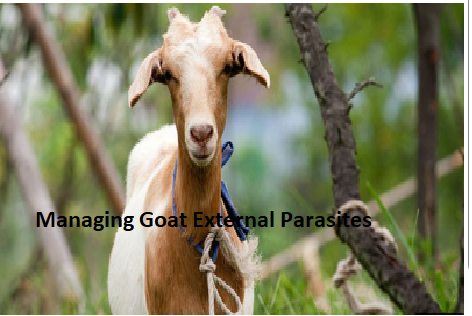
Dealing with goat external parasites is an unavoidable reality for anyone raising a small ruminant herd. These pests cause significant discomfort to your animals, reduce milk production, and can even lead to severe anemia or secondary skin infections if left unchecked. Understanding how to identify these intruders and implementing a consistent management strategy is essential for maintaining a healthy and productive farm.
Identifying Common Pests
The most frequent culprits when dealing with goat external parasites are lice and mites. Lice are wingless insects that live out their entire life cycle on the host, either as biting lice or sucking lice. You can often spot them by parting the hair along the neck, spine, or tail head, where they appear as small, moving specks.
Mites are even smaller, often microscopic, and cause the condition known as mange. Unlike lice, which stay on the surface, some mites burrow into the skin, causing intense itching and hair loss. You should look for crusty, thickened, or inflamed patches of skin, especially around the ears, face, and legs.
Ticks are another major concern, particularly in pasture-based systems during warmer months. They attach to the skin to feed on blood, often congregating in areas where the skin is thin or protected by hair. Ticks are not just a nuisance; they are vectors for various diseases, making their removal a high priority for herd health.
Signs of Infestation
The most obvious sign that your goats are battling external parasites is excessive scratching or rubbing against fences, trees, and feeders. You might notice raw spots or hair loss where the animal has been trying to soothe the irritation. This behavior often happens long before you see the actual parasites themselves.
A drop in body condition is another major indicator of a heavy load. Because these parasites drain energy and blood, the goats may appear thin or “unthrifty” despite having access to high-quality forage. If the infestation is severe, you might see pale mucous membranes in the eyelids, which is a classic sign of blood loss.
Changes in coat quality also signal a problem. A healthy goat should have a shiny, smooth coat during the grazing season.
If you notice a dull, matted, or patchy coat, it is time to perform a thorough physical inspection. Don’t wait for the animal to look sick before you start checking for pests.
Comparing Common Infestations
To effectively manage goat external parasites, you must distinguish between the types of pests affecting your herd. The following table outlines the key differences in how they present and affect the animal.
| Parasite Type | Primary Symptom | Common Location |
|---|---|---|
| Sucking Lice | Anemia, weakness | Neck, spine, tail |
| Biting Lice | Itching, skin irritation | Back, shoulders |
| Chorioptic Mange | Crusty lesions | Lower legs, udder |
| Ticks | Visible swellings | Ears, armpits, tail |
Effective Treatment Strategies
When you confirm an infestation, selecting the right treatment is crucial for success. Pour-on treatments are among the most popular choices because they are easy to apply along the backline of the animal. Always ensure you are using a product labeled for goats, as off-label use can lead to ineffective results or potential toxicity.
Injectable dewormers are sometimes used, but their efficacy against external parasites varies by the specific chemical class. Macrocyclic lactones are often effective against sucking lice and some mites, but they typically have little to no effect on biting lice. You should consult with your local veterinarian to determine which active ingredients are currently effective in your specific region.
Sprays and dips are effective but require significantly more labor. These methods ensure full-body coverage, which is necessary for severe mange cases where the mites are hidden in folds of skin. Whatever method you choose, you must repeat the treatment according to the label instructions to kill newly hatched parasites that survived the first application.
Preventative Herd Management
Prevention is far more cost-effective than constant treatment. Maintaining a high plane of nutrition helps the goat’s immune system fight off low-level infestations naturally. A well-fed animal with a strong coat is much less hospitable to parasites than one struggling with poor nutrition.
Quarantine is your best defense when bringing new animals into your herd. Keep any new arrivals in a separate area for at least 30 days and perform a thorough inspection before allowing them to mix with the rest of your goats. This simple step prevents the introduction of resistant strains or heavy parasite loads into your established group.
Keep your housing and bedding areas clean and dry. Many parasites thrive in damp, dirty environments, especially in winter when goats are huddled together. Regularly remove soiled bedding and ensure there is adequate ventilation in the barn to discourage the buildup of pests.
Environmental Factors and Seasonality
External parasites often follow seasonal patterns that you can anticipate. Lice populations typically explode during the colder months when goats are kept in close quarters. During this time, the thicker winter coat provides an ideal microclimate for lice to reproduce rapidly.
Ticks are more active during the spring and summer when temperatures climb. Managing pastures by mowing tall grass or rotating grazing areas can help reduce the tick population in the environment. You can find detailed guidance on managing pasture health through the eXtension Foundation, which provides science-based resources for livestock owners.
Understanding these cycles allows you to be proactive rather than reactive. If you know that lice are a problem in your region every January, perform a herd-wide check in December. By treating before the population peaks, you save your animals from the stress of a full-blown infestation.
Resistance and Responsible Use
The over-reliance on chemical treatments has led to increasing levels of resistance in many parasite populations. If you treat your herd and notice that the pests return almost immediately, you may be dealing with a resistant strain. Rotating chemical classes is one way to delay this, but it is not a long-term solution.
Always use the recommended dosage based on the animal’s weight. Under-dosing is a primary driver of resistance, as it kills only the weakest parasites and leaves the strongest ones to reproduce. Using a scale to weigh your goats before treatment ensures you are providing the correct amount of medication.
Consider non-chemical options where possible, such as grooming brushes or diatomaceous earth, though these are rarely sufficient for heavy infestations. Focus on keeping the animals healthy so that they can manage minor parasite numbers on their own. Integrated pest management, which combines good nutrition, environmental control, and judicious use of chemicals, is the gold standard for long-term health.
Commonly Asked Questions
How do I know if the treatment is working?
You should see a reduction in scratching and rubbing behavior within a few days of treatment. A physical inspection should reveal fewer live parasites or a reduction in the size and inflammation of skin lesions. If the animals continue to show signs of distress after the recommended re-treatment interval, consult your veterinarian.
Can I use dog or cat flea products on my goats?
No, you should never use products labeled for dogs or cats on goats. These products may contain ingredients that are toxic to goats or are not absorbed correctly, leading to ineffective treatment or severe health consequences. Always use products specifically approved for small ruminants.
Why do my goats keep getting lice every winter?
Lice are highly contagious and spread easily through direct contact, shared equipment, or common rubbing posts. Even if you treat the herd, any missed eggs or contact with a carrier animal can restart the cycle. Winter housing creates the perfect environment for these pests, making consistent monitoring essential during the cold season.
Is it necessary to treat all goats if only one shows signs?
Yes, it is usually necessary to treat the entire herd if you find evidence of parasites. Because these pests spread so quickly, it is almost certain that the rest of the herd has been exposed or is carrying a sub-clinical population. Treating everyone at once prevents the “ping-pong” effect of re-infestation.
How often should I inspect my goats for parasites?
You should perform a visual check at least once a month, regardless of the time of year. During the winter or if you notice changes in coat quality, increase your inspections to every two weeks. Catching goat external parasites early makes treatment much easier and less expensive for your operation.
Maintaining Herd Health
Managing the health of your animals requires vigilance and a structured approach to prevention. By understanding the life cycles of the pests that commonly affect your herd, you can intervene before they cause significant damage. Regular physical exams, proper nutrition, and a clean environment form the foundation of a robust parasite control program.
When you do need to use chemical treatments, ensure you follow labels strictly and keep accurate records of what was applied and when. This helps you track effectiveness and manage potential resistance over time.
Keeping your herd free of goat external parasites is an ongoing process, but it is well worth the effort for the long-term productivity and comfort of your animals. If you have specific concerns about your herd’s status, reach out to a local veterinarian to discuss a tailored prevention plan.
