

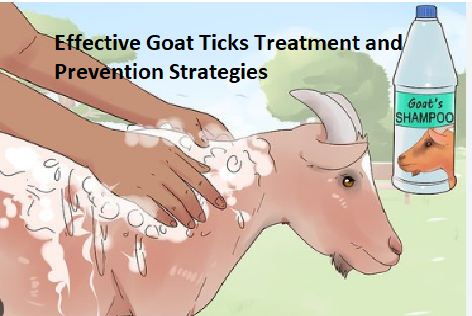
Managing goat ticks treatment effectively requires a combination of immediate physical removal and long-term environmental control. Because ticks act as vectors for diseases like anaplasmosis and can cause severe anemia in heavy infestations, taking swift action is essential for herd health.
Understanding the specific life cycle of the ticks found on your property allows for targeted interventions that go beyond simple surface sprays. By utilizing proven chemical protocols alongside pasture management, you can keep your goats comfortable and productive throughout the grazing season.
Immediate Removal and Chemical Control
The most direct approach to goat ticks treatment involves the use of topical acaricides, which are chemicals specifically designed to kill mites and ticks. Permethrin-based sprays or pour-ons remain the industry standard for rapid knockdown of existing parasites on a goat’s skin.
You must apply these products according to the label, focusing on areas where ticks congregate, such as the ears, the brisket, and the underside of the tail. Always check for a meat or milk withdrawal period before using any chemical agent, as residues can persist in the animal’s system.
Systemic treatments, such as injectable ivermectin, are frequently discussed by livestock owners, though their efficacy against ticks is often lower than their effectiveness against internal parasites. While ivermectin works well for mange mites and worms, it does not always kill ticks effectively or provide a long-lasting residual barrier.
For a severe infestation, combining a topical spray with a thorough manual check is often the most reliable way to clear the animal. If you find a tick attached, use a pair of fine-tipped tweezers to grasp the tick as close to the skin as possible and pull upward with steady, even pressure.
Understanding Chemical Safety and Application
When applying any form of goat ticks treatment, personal protective equipment is non-negotiable to prevent human exposure to harsh chemicals. Wear nitrile gloves and long sleeves during the application process, especially when using concentrated sprays that require dilution.
Proper dilution is critical; mixing a solution that is too strong can cause skin irritation or chemical burns on the goat, while a solution that is too weak will fail to eliminate the tick population. Always store these chemicals in their original containers out of direct sunlight to maintain their chemical stability and potency.
Rotating the class of chemicals used can help prevent the development of tick resistance on your farm. If you rely exclusively on one specific active ingredient for several years, you may notice that the ticks remain prevalent despite regular treatments.
Consult with your local agricultural extension office or a large animal veterinarian to identify which products are currently recommended for your specific region. Keeping detailed logs of when each goat was treated helps you track the effectiveness of your chosen chemical rotation strategy.
Environmental Management Strategies
The environment in which your goats graze plays a massive role in the overall success of your goat ticks treatment plan. Ticks thrive in tall grasses, brush, and leaf litter, which provide the high humidity and shade they need to survive between hosts.
Implementing a regular mowing schedule for your pastures significantly reduces the tick population by exposing them to direct sunlight and drying conditions. By keeping the grass height below four inches, you eliminate the “questing” platforms that ticks use to climb onto passing animals.
Fencing off heavily wooded areas or dense thickets can prevent your goats from wandering into high-risk zones during peak tick season. If your property includes shared boundaries with wildlife habitats, consider creating a gravel buffer zone around your goat housing and main grazing areas.
This creates a dry, inhospitable strip that ticks struggle to cross. Combining these structural landscape changes with chemical treatments creates a layered defense that is far more effective than relying on sprays alone.
Comparing Common Treatment Methods
Choosing the right approach depends on the severity of the infestation and your specific management goals. The following table compares common methods used for managing tick populations on livestock.
| Treatment Method | Primary Benefit | Typical Duration |
|---|---|---|
| Permethrin Sprays | Instant knockdown | 7–14 days |
| Pour-on Products | Easy application | 2–4 weeks |
| Pasture Mowing | Long-term reduction | Permanent |
| Manual Removal | Zero chemical risk | Immediate |
Each of these methods carries different implications for your daily routine and the health of the animals. While manual removal is the safest method for the goat, it is labor-intensive and impractical for large herds.
Conversely, chemical sprays offer convenience but require strict adherence to safety protocols. A balanced plan often utilizes a mix of these strategies to minimize chemical usage while maintaining high standards of herd health.
Identifying Tick-Borne Illness Risks
Recognizing the symptoms of tick-borne disease is a vital part of proactive goat ticks treatment. Anaplasmosis, a common disease transmitted by ticks, causes severe anemia, jaundice, and lethargy in goats.
If you notice a goat appearing weak, pale-eyed, or losing weight despite a good appetite, it is time to contact a veterinarian for a blood test. Early diagnosis allows for the administration of antibiotics, such as oxytetracycline, which can save the life of an affected animal.
Tick paralysis is another, though less common, condition that can occur due to toxins in the saliva of certain tick species. This condition presents as a rapid onset of weakness in the hind legs, which can progress to full-body paralysis if the tick is not found and removed.
Because these conditions can mimic other illnesses, keeping a close eye on the physical condition of your herd is essential. When in doubt, reach out to resources like the United States Department of Agriculture for official guidance on disease prevention and reporting.
Nutritional Support During Infestations
A goat suffering from a heavy tick burden often experiences significant blood loss, which weakens the immune system. Providing high-quality nutrition is an essential secondary component of any goat ticks treatment regimen.
Ensure your goats have access to free-choice minerals specifically formulated for goats, as these support red blood cell production and overall vitality. If an animal is severely anemic, a veterinarian may recommend iron supplementation to help them recover more quickly.
Maintaining the body condition score of your herd helps them withstand the physiological stress caused by parasites. During the peak of the tick season, you might choose to provide additional energy sources, such as high-quality alfalfa or a small amount of grain, to offset the caloric cost of fighting an infestation.
A well-nourished animal is always more resilient against disease than one struggling with poor nutrition. By treating the goat as an individual rather than just a number in a herd, you improve your ability to spot and rectify health issues before they become life-threatening.
Key Steps for Herd Protection
* Establish a weekly routine for physical inspections, focusing on the ears and tail head.
* Keep pastures mowed short to reduce the available habitat for tick questing.
* Maintain a strict rotation of chemical active ingredients to delay resistance.
* Quarantine all new animals for at least 14 days before introducing them to the main herd.
* Clear brush and tall weeds from around fence lines and water troughs.
* Consult with a veterinarian to develop a tailored parasite management plan for your region.
Following these steps creates a culture of vigilance that prevents small issues from escalating into major outbreaks. Quarantine is especially important, as bringing in a new goat covered in ticks can instantly undo months of hard work on your own property.
Always treat new arrivals with a preventative acaricide before they ever touch your main pasture. This simple step is the most effective way to keep your environment free of introduced tick populations.
Frequently Asked Questions
How do I know if my goat has ticks?
You can identify a tick infestation by performing regular physical exams on your goats. Look for small, firm, grape-like bumps on the skin, particularly around the ears, between the toes, and under the tail. If you see a goat scratching excessively or shaking its head, it is a strong indicator that parasites are present.
Is Dawn dish soap effective for killing ticks?
While dish soap can help remove ticks by suffocating them, it is not a recommended long-term treatment for livestock. It lacks the residual power required to kill ticks that climb on the animal after the wash is finished. Relying on dish soap alone will not prevent re-infestation or protect your herd from disease.
Can I use dog flea treatments on my goats?
You should never use dog or cat flea treatments on goats unless specifically directed by a veterinarian. Many products formulated for household pets contain chemicals that are toxic to ruminants or are not approved for meat and milk-producing animals. Always use products labeled for goat or livestock use to ensure safety.
How often should I spray for ticks?
The frequency of spraying depends on the product label and the severity of the tick season in your area. Most permethrin-based products provide protection for about two to four weeks. During peak tick season, you may need to reapply every three weeks, but always check the product’s specific instructions for maximum application limits.
Do ticks cause long-term health issues?
Yes, ticks can cause significant long-term health issues, including chronic anemia and the transmission of blood-borne diseases like anaplasmosis. If left untreated, these diseases can lead to organ failure, reproductive issues, and even death. Proactive management is the only way to mitigate these long-term risks.
Conclusion
Managing goat ticks treatment effectively requires a consistent approach that balances chemical intervention with smart environmental management. By staying vigilant with your inspections and keeping your grazing areas clear of long brush, you drastically reduce the pressure on your herd. Remember that no single product acts as a permanent cure; instead, the best results come from a layered defense strategy.
Always follow label directions for every chemical you apply and prioritize the nutritional health of your animals to help them remain resilient. If you notice signs of illness or a sudden spike in parasite numbers, do not hesitate to contact your local veterinarian for professional guidance. With a dedicated plan in place, you can keep your goats healthy and ensure they remain productive throughout the year.
