

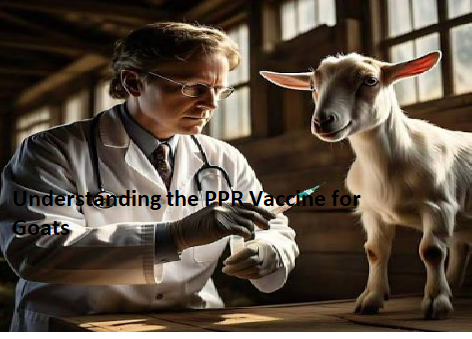
Protecting livestock from Peste des Petits Ruminants (PPR) is a critical task for goat farmers worldwide, and the PPR vaccine for goats serves as the primary defense against this highly contagious viral disease. PPR often causes severe economic losses through high mortality rates and reduced productivity, making systematic immunization an essential component of herd health management.
By understanding the timing, administration, and efficacy of this preventative measure, producers can significantly lower the risk of outbreaks within their flocks. This article provides the technical details needed to implement a successful vaccination strategy for your animals.
Vaccination Schedule and Timing
The primary question for most producers involves the timing of the PPR vaccine for goats, specifically when to initiate the first dose. According to the World Organisation for Animal Health, kids should generally receive their first vaccination after the waning of maternal antibodies. This typically occurs between the ages of 3 and 4 months.
If kids are vaccinated too early, the residual antibodies from the mother’s colostrum can neutralize the vaccine virus, rendering the dose ineffective. However, waiting too long leaves the young animals vulnerable to field exposure during a high-risk period. In endemic areas, farmers often schedule the primary dose around the 4-month mark to ensure a robust immune response.
Once the initial dose is administered, a single injection is usually sufficient to provide long-term protection for the life of the animal. Unlike some other vaccines that require annual boosters, the current live attenuated PPR vaccine for goats is widely considered to offer immunity lasting for at least 3 years, and in many cases, for the entire productive lifespan of the goat. This makes it an incredibly cost-effective strategy for smallholders and large commercial operations alike.
Dosage and Administration Methods
Proper administration of the PPR vaccine for goats is essential to ensure that each animal receives the correct amount of active virus needed to stimulate an immune response. The standard dose for a goat, regardless of age or breed, is 1 ml. This volume is consistent across most commercially available live attenuated vaccines produced globally.
The vaccine is typically administered via the subcutaneous route. This means the needle should be placed just under the skin, usually in the neck or behind the shoulder area, rather than deep into the muscle tissue. Using a clean, sterile needle for every individual animal is a non-negotiable rule to prevent the transmission of blood-borne pathogens or secondary bacterial infections.
Before injection, the lyophilized (freeze-dried) vaccine must be reconstituted using the specific diluent provided by the manufacturer. Once mixed, the solution must be kept cool and shielded from direct sunlight to maintain the integrity of the live virus. Aim to use the entire vial within 2 to 4 hours of reconstitution, as the vaccine degrades rapidly once exposed to ambient temperatures.
Safety and Pregnancy Considerations
A common concern among goat owners is whether the PPR vaccine for goats is safe for pregnant animals. Generally, veterinarians advise against vaccinating goats in the late stages of pregnancy due to the stress of handling and the potential, though rare, risk of interference with the pregnancy. If possible, it is best to vaccinate females during the non-breeding season or during the early stages of gestation.
Some studies suggest that the live attenuated strain could theoretically pose a risk to a developing fetus if the dam is immunocompromised. However, in high-risk zones where PPR is actively circulating, the danger of the disease itself far outweighs the minor risks associated with the vaccine. Always consult with a local veterinarian to assess the current disease prevalence in your specific region before making a decision.
If you are managing a large herd, try to synchronize your vaccination efforts to coincide with the post-weaning period. This minimizes the frequency of handling pregnant does and ensures that the entire cohort is protected before they enter a high-stress production phase. Maintaining accurate records of which animals were vaccinated and on what date is vital for long-term health monitoring.
Efficacy and Herd Immunity
The effectiveness of the PPR vaccine for goats is exceptionally high, often exceeding 90% in healthy, well-nourished populations. Once an animal is successfully immunized, it develops strong cellular and humoral immunity that prevents the clinical manifestation of the disease if exposed to the virus later. This high level of protection is why mass vaccination campaigns are the cornerstone of global efforts to eradicate the disease.
Herd immunity is the secondary benefit of your individual vaccination efforts. When a significant percentage of a flock—usually over 70% to 80%—is vaccinated, the virus struggles to find susceptible hosts to infect. This creates a firewall that protects the few remaining unvaccinated animals and significantly slows the spread of the virus across the landscape.
However, keep in mind that vaccine efficacy can be compromised by poor animal health. Parasite loads, mineral deficiencies, and chronic stress can all dampen the immune system’s ability to respond to the vaccine. Before launching a vaccination drive, ensure your goats are dewormed and receiving a balanced diet to guarantee the best possible outcome from the procedure.
Identifying and Managing Side Effects
While the PPR vaccine for goats is considered safe, some animals may exhibit mild, transient side effects following the injection. These reactions are typically a sign that the immune system is actively recognizing the vaccine and building protection. Common signs include a slight rise in body temperature, temporary loss of appetite, or a minor local swelling at the injection site.
These symptoms usually resolve on their own within 24 to 48 hours without the need for medical intervention. If you notice severe reactions, such as anaphylaxis, difficulty breathing, or persistent lethargy, contact a veterinarian immediately. Such reactions are extremely rare but can occur in highly sensitive individuals, much like reactions to vaccines in other species.
To minimize the impact of these minor side effects, try to vaccinate during the cooler hours of the day, such as early morning. Provide the animals with access to fresh water and shade, and avoid moving or transporting the goats immediately after the procedure. Reducing environmental stressors helps the animals recover quickly and ensures they remain productive.
Storage and Cold Chain Requirements
The potency of the PPR vaccine for goats relies entirely on the integrity of the cold chain, as the vaccine contains a live, weakened virus. If the vaccine is exposed to heat, the virus dies, and the injection becomes nothing more than a sterile liquid that offers no protection. Always transport the vaccine in a cooler box packed with ice packs or a dedicated vaccine carrier.
The ideal storage temperature for the lyophilized vaccine is between 2°C and 8°C. If you have a dedicated refrigerator on your farm, keep the vaccine away from the door and the freezer compartment to prevent temperature fluctuations. Never refreeze a vaccine that has been thawed, as this will destroy its biological activity.
If you are operating in a remote area without reliable electricity, consider using solar-powered vaccine refrigerators or high-quality vacuum-insulated flasks. Monitor the temperature daily with a reliable thermometer. If you ever suspect that the temperature has exceeded the recommended range for an extended period, it is safer to discard the batch than to risk a failed vaccination campaign.
Financial and Operational Impacts
Implementing a vaccination program is an investment that pays for itself by preventing catastrophic losses. The cost of the PPR vaccine for goats is relatively low compared to the potential financial devastation of an outbreak. In many developing regions, government-sponsored programs provide the vaccine for free or at a highly subsidized price to encourage participation.
When evaluating the cost, consider the total expense of the vaccine, the equipment (needles and syringes), and the labor required to gather the animals. The following table illustrates the comparative impacts of preventative vaccination versus responding to an actual outbreak within a small herd.
| Factor | Preventative Vaccination | Outbreak Response |
|---|---|---|
| Mortality Rate | Low (less than 1%) | High (up to 80%) |
| Treatment Cost | Minimal (vaccine only) | High (antibiotics, supportive care) |
| Production Loss | Negligible | Severe (milk, meat, offspring) |
| Labor Burden | Planned/Scheduled | Emergency/Crisis |
By choosing to vaccinate, you are securing the future of your herd. You also protect your neighbors’ livestock, as the reduction in viral circulation benefits the entire community.
Frequently Asked Questions
Is the PPR vaccine for goats effective against other diseases?
No, the vaccine is highly specific to the Peste des Petits Ruminants virus. It does not provide protection against other respiratory or gastrointestinal infections like pneumonia or enterotoxemia, which require their own specific vaccines.
Can I mix the PPR vaccine with other vaccines?
Generally, it is not recommended to mix the PPR vaccine with other vaccines in the same syringe or during the same session unless specifically advised by a veterinarian. Doing so can cause interference between the different antigens, potentially reducing the efficacy of one or both vaccines.
How long does the immunity last?
Current research indicates that a single, properly administered dose provides immunity for at least 3 years. Many experts believe this immunity persists for the lifetime of the goat, often making boosters unnecessary for the average herd.
What if I miss the vaccination window for a kid?
If you miss the optimal window, vaccinate the animal as soon as possible. While the risk of exposure is higher in the interim, getting the vaccine into the animal’s system is still the best way to ensure future protection.
Does the vaccine cause the disease?
No, the vaccine contains a live, attenuated (weakened) virus. It is designed to stimulate the immune system without causing the clinical symptoms associated with the wild-type virus, making it safe for healthy animals.
Conclusion
Taking proactive steps to manage your herd’s health is the most reliable way to ensure long-term profitability and sustainability. By prioritizing the PPR vaccine for goats, you create a shield against one of the most destructive diseases affecting small ruminants. Remember that the success of your vaccination program depends on maintaining the cold chain, using proper injection techniques, and ensuring your animals are generally healthy before the procedure.
If you have questions about regional disease prevalence or specific vaccination protocols, consult your local agricultural extension office or a trusted veterinarian. They can provide advice tailored to your climate and herd size. Protecting your goats today with the PPR vaccine for goats is a simple action that secures the health and productivity of your farm for years to come.
