

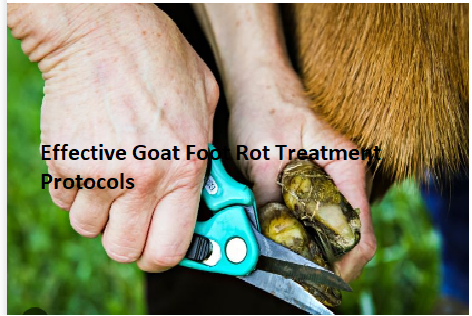
Effective goat foot rot treatment requires a combination of aggressive hoof trimming, topical medication, and environmental management to stop the progression of the disease. This condition is caused by a synergistic infection of two bacteria, Dichelobacter nodosus and Fusobacterium necrophorum, which thrive in wet, muddy conditions. If you notice your goat limping or holding a leg up, you must act immediately to prevent permanent structural damage to the hoof.
By addressing the bacterial load and isolating affected animals, you can successfully resolve the infection and return your herd to health. This overview provides the clinical steps and practical management strategies necessary to manage hoof health in your flock.
Primary Treatment Steps
The most effective goat foot rot treatment starts with a clean, dry environment and a sharp pair of hoof shears. You must trim away all necrotic, dead, or undermined horn tissue to expose the bacteria to oxygen. These specific bacteria are anaerobic, meaning they cannot survive when exposed to air.
Once the hoof is trimmed, apply a topical antiseptic or antibiotic spray directly to the exposed tissue. Keeping the animal on a dry, clean surface for at least 24 to 48 hours after treatment is vital for recovery.
Recognizing the Symptoms
Early detection significantly improves the prognosis for any goat showing signs of lameness. You will typically see the animal shifting its weight or grazing while on its knees to avoid putting pressure on the painful hoof. Upon inspection, look for a foul, distinct odor emanating from the interdigital space.
The skin between the toes will often appear inflamed, raw, or covered in a grayish, pasty exudate. If left untreated, the infection can cause the hoof wall to separate completely from the sensitive underlying tissue.
The Role of Copper Sulfate
Many producers rely on copper sulfate foot baths as a standard preventive and therapeutic measure. You can create a simple foot bath by mixing a 10% solution of copper sulfate with water in a shallow tray. Ensure the goats stand in the solution for at least five minutes to allow the chemical to penetrate the hoof crevices.
This process toughens the hoof horn and creates a hostile environment for the bacteria responsible for rot. Always provide a clean water source nearby to prevent the goats from drinking the medicated solution.
Comparing Treatment Methods
Choosing the right approach depends on the severity of the infection and the resources available in your operation. Some methods focus on systemic antibiotics, while others prioritize external topical care. The following table summarizes common strategies for managing hoof health:
| Treatment Method | Primary Benefit | Best Used For |
|---|---|---|
| Topical Spray | Targeted application | Mild to moderate cases |
| Copper Foot Bath | Herd-wide prevention | Reducing environmental load |
| Systemic Antibiotics | Deep tissue penetration | Severe, chronic infections |
| Hoof Trimming | Removes anaerobic habitat | All stages of infection |
When to Use Antibiotics
In severe cases where the infection has reached deep into the hoof structures, topical treatments alone may fail. Consult with a veterinarian to determine if an injectable antibiotic is necessary to clear the systemic infection. Common choices include oxytetracycline or penicillin, though these must be administered according to local veterinary guidelines.
Using antibiotics unnecessarily can lead to resistance, so reserve these for goats that fail to respond to standard trimming and topical protocols. Always follow the withdrawal periods required for meat or milk production.
Environmental Management Strategies
Bacteria thrive in the mud and manure that collect in high-traffic areas like gates, feeders, and water troughs. You must address these “hot spots” to prevent reinfection after you have successfully treated the individual animals. Raising the ground level with gravel or heavy-duty wood chips can help drain excess moisture during rainy seasons.
Moving feeders and waterers frequently also prevents the buildup of organic matter that harbors Fusobacterium necrophorum. For more detailed guidance on herd management, you can refer to the Merck Veterinary Manual for clinical insights.
Essential Supplies for Your Kit
Maintaining a well-stocked kit allows you to perform a goat foot rot treatment as soon as you spot the first sign of trouble. Delaying treatment by even a few days allows the bacteria to burrow deeper into the sensitive laminae. Keep these items in a dedicated, waterproof box near your barn:
- Sharp, high-quality hoof trimmers
- Disposable latex or nitrile gloves
- Antiseptic spray (e.g., oxytetracycline or iodine-based)
- Copper sulfate powder
- A stiff-bristled brush for cleaning mud
- Gauze or cotton swabs for applying medication
- Bandaging material for severe, open lesions
Preventing Future Outbreaks
Prevention is far more cost-effective than constant treatment, especially in damp climates. Implement a strict quarantine policy for any new animals entering your property to ensure they aren’t bringing the bacteria into your herd. Regularly inspect your goats’ hooves during routine health checks, even if they aren’t limping.
Genetic selection also plays a role, as some bloodlines are more susceptible to hoof issues than others. If a specific animal suffers from chronic rot despite your best efforts, consider culling that individual to protect the rest of the herd.
FAQ
Can foot rot heal on its own without treatment?
No, foot rot will not heal on its own and will likely become progressively worse. The infection destroys the hoof structure and causes significant pain, which prevents the animal from grazing properly.
Is foot rot contagious to other animals in the herd?
Yes, the bacteria are highly contagious and spread through contaminated soil and bedding. One infected goat can quickly contaminate the entire pasture if the environment remains wet and muddy.
How often should I trim hooves to prevent rot?
Most goats require a hoof trim every 6 to 12 weeks, depending on their activity level and the terrain they walk on. Regular trimming maintains the natural shape of the hoof and prevents pockets where bacteria can hide.
Should I bandage the hoof after treatment?
Bandaging is only necessary for severe cases where you need to keep medication in contact with the wound for an extended period. If you do bandage, ensure it is changed daily to prevent trapped moisture from worsening the condition.
Are there home remedies that actually work?
While some people use household mixtures like vinegar or tea tree oil, they often lack the potency of veterinary-grade products. Stick to proven antiseptic sprays and copper sulfate solutions for the best results.
Conclusion
Managing hoof health is a constant responsibility for any goat owner, particularly when seasonal rains increase moisture levels. Your success in goat foot rot treatment depends on your ability to spot the signs early, trim the affected area thoroughly, and provide a clean environment for recovery. By staying consistent with your hoof care schedule and managing high-traffic areas to reduce mud, you can keep your herd mobile and productive.
Never hesitate to reach out to a local veterinarian if you see an infection that does not respond to your initial efforts. Proactive care remains the best way to ensure your goats stay healthy and comfortable throughout the year.
