

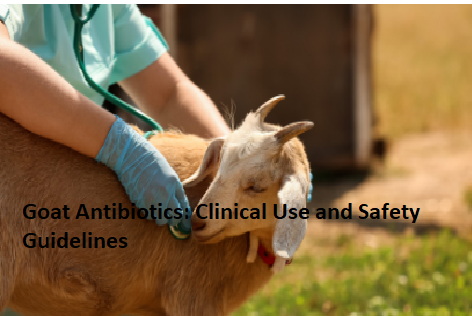
Managing goat antibiotics effectively requires a precise understanding of veterinary pharmacology and the specific physiological needs of caprine species. When a herd member falls ill, producers must balance the need for rapid intervention against the risks of drug resistance and illegal residue levels. This article provides the essential clinical data, regulatory context, and practical administration standards you need to maintain herd health while adhering to legal requirements.
The most common question regarding goat antibiotics is whether they can be obtained over the counter without veterinary oversight. In many jurisdictions, including the United States, the Food and Drug Administration has updated regulations to require a Veterinary Feed Directive or a valid prescription for most medically important antimicrobials.
You generally cannot purchase injectable or oral antibiotics for food-producing animals at standard retail stores without a documented relationship with a licensed veterinarian. This shift aims to preserve the efficacy of drugs like penicillin and tetracycline by ensuring they are used only under professional guidance.
Understanding Regulatory Changes and Prescriptions
The landscape for acquiring medication for livestock changed significantly in 2017 and 2023 with the implementation of the Veterinary Feed Directive. These rules mandate that antibiotics deemed medically important for humans can no longer be sold for growth promotion or feed efficiency in livestock.
Producers now operate under a system where a veterinarian must establish a Veterinary-Client-Patient Relationship to authorize specific treatments. This relationship requires the veterinarian to have sufficient knowledge of your herd’s health status and recent history.
When you suspect an animal requires treatment, you must consult your veterinarian to receive a valid prescription. Attempting to source medication through unregulated channels often leads to the purchase of counterfeit or expired products.
These substances pose a direct threat to your animal’s survival and can introduce chemical residues into the food supply. Always prioritize sourcing from reputable veterinary pharmacies or your local clinic to ensure the integrity of the medication.
Commonly Used Antimicrobial Classes in Goats
Goats possess a unique metabolism that often processes drugs differently than cattle or sheep. Because of their rapid heart rate and different rumen flora, dosages for goats are frequently higher than those used for other ruminants. Veterinarians often rely on specific classes of drugs to address common infections such as pneumonia, foot rot, and caseous lymphadenitis.
Primary Antibiotic Categories
- Penicillins: Frequently used for respiratory infections and abscesses; these require careful dosing due to rapid clearance rates.
- Tetracyclines: Often utilized for systemic infections like anaplasmosis or chlamydiosis; these are typically administered via injection.
- Sulfonamides: Primarily used for coccidiosis outbreaks in kids, though they require adequate hydration to prevent kidney damage.
- Macrolides: Sometimes indicated for severe respiratory distress when other first-line therapies fail to show improvement.
Each of these categories interacts with the goat’s digestive system in distinct ways. For instance, oral antibiotics can sometimes disrupt the delicate balance of rumen microbes. This disruption can lead to secondary issues like bloat or decreased appetite, necessitating the use of probiotics or dietary support during the treatment cycle.
Dosage Accuracy and Route of Administration
Administering the correct dose of goat antibiotics is a matter of life and death, as under-dosing contributes to the development of resistant bacteria. Conversely, over-dosing can lead to toxicity, particularly with drugs that have a narrow safety margin.
You must always use a calibrated syringe and verify the weight of the animal before calculating the required volume. Never guess a goat’s weight by eye, as even a small discrepancy can result in a significant error in the total dosage.
The route of administration—whether subcutaneous, intramuscular, or oral—is equally critical to the drug’s effectiveness. Subcutaneous injections are generally preferred in goats to minimize tissue damage and reduce the risk of injection-site abscesses.
Always rotate injection sites to prevent the buildup of scar tissue, which can impede the absorption of future medications. If you are unsure about the proper technique, request a demonstration from your veterinarian during your next site visit.
Managing Withdrawal Periods for Food Safety
A critical component of using antibiotics in food-producing animals is the observation of mandatory withdrawal periods. These periods represent the time required for the drug to clear the animal’s system so that no residues remain in the meat or milk.
Failing to observe these intervals is a violation of federal law and poses a risk to public health. The withdrawal period varies by drug, dosage, and the route of administration, making it essential to keep meticulous records.
Standard Withdrawal Considerations
| Drug Class | Typical Usage | General Withdrawal Trend |
|---|---|---|
| Penicillin G | Respiratory/Abscess | 10–14 Days |
| Oxytetracycline | Systemic Infection | 21–28 Days |
| Sulfadimethoxine | Coccidiosis | 7–10 Days |
| Tulathromycin | Severe Respiratory | 18–21 Days |
You should maintain a treatment log for every animal in your herd. This log must include the animal’s identification, the date of treatment, the medication used, the dosage, the route, and the projected date when the animal is clear for harvest or milk production.
This level of organization is not just a best practice; it is a legal requirement for any commercial producer. Resources such as the Food Animal Residue Avoidance Databank provide specific information on withdrawal times for various species.
Recognizing Clinical Signs of Infection
Early detection is the most effective way to minimize the need for heavy antibiotic intervention. A healthy goat is typically alert, has a normal appetite, and maintains a consistent body temperature between 101.5 and 103.5 degrees Fahrenheit.
When an animal begins to show signs of lethargy, isolation from the herd, or nasal discharge, you must intervene quickly. Do not wait for the animal to become severely debilitated before seeking professional advice.
Respiratory distress is a common signal that your herd may be facing a bacterial challenge. Look for signs like labored breathing, persistent coughing, or an increased respiratory rate.
In cases of mastitis, the udder may appear inflamed, hot to the touch, or produce abnormal milk. Identifying these symptoms early allows for targeted, shorter courses of treatment, which is significantly better for the animal’s long-term health and your bottom line.
The Risks of Antimicrobial Resistance
The overuse or misuse of goat antibiotics contributes to the global problem of antimicrobial resistance. When bacteria are exposed to sub-therapeutic doses of medication, they can develop genetic mutations that allow them to survive future treatments.
This phenomenon means that common infections, which were once easily managed, become increasingly difficult to cure. You have a responsibility to the agricultural community to use these medications judiciously.
Avoid the practice of “blanket treating” a whole herd when only one or two individuals show symptoms. Instead, isolate the sick animals and treat them specifically, while monitoring the rest of the herd for signs of illness.
This approach, known as targeted therapy, significantly reduces the environmental load of antibiotics. It also preserves the effectiveness of the drugs you have on hand for when a genuine emergency arises.
Proper Storage and Shelf Life Management
The efficacy of your medical supplies depends heavily on proper storage conditions. Most antibiotics are sensitive to extreme temperatures, direct sunlight, and moisture, which can degrade the active ingredients.
Always store your medications in a cool, dry, and secure location, preferably in a dedicated refrigeration unit if the label requires it. Check the expiration dates of all your bottles every quarter and dispose of expired products according to local environmental regulations.
Using expired medication is dangerous for several reasons. The drug may have lost its potency, leading to an ineffective treatment that allows the infection to worsen.
In some cases, the breakdown products of an expired drug can be toxic to the animal. Never attempt to “stretch” your supply by using old or cloudy medication; the cost of a new bottle is negligible compared to the loss of a valuable goat.
Frequently Asked Questions
Can goats take amoxicillin?
Goats can be treated with certain types of amoxicillin, but it is not always the first choice for all conditions. You must obtain a specific prescription from your veterinarian, as the dosage and frequency must be tailored to the individual animal’s needs. Never use leftover human medication for your livestock, as the concentrations and delivery systems are not designed for caprine physiology.
Does Tractor Supply sell antibiotics for goats?
Most major farm supply retailers have moved away from selling prescription-only antibiotics directly to consumers. You may find supportive care items, electrolytes, and non-medicated health supplies on the shelf. However, any drug that requires a prescription will not be available for purchase without the proper documentation provided by your veterinarian.
How do I know if my goat has an infection?
Signs of infection often include a fever, loss of appetite, dull eyes, and changes in behavior such as standing away from the herd. You should also check for physical signs like swelling, discharge from the eyes or nose, and lameness. If you notice these symptoms, take the animal’s temperature immediately and contact your veterinarian to discuss a potential treatment plan.
Are there alternatives to antibiotics for goats?
Prevention through good nutrition, proper ventilation, and vaccination is the best alternative to relying on antibiotics. Many producers utilize herbal supplements or probiotics to support the immune system, though these should not replace medical treatment for a serious bacterial infection. Always consult with a veterinary professional to ensure that your preventative measures are actually effective for your specific environment.
What should I do if my goat doesn’t improve after treatment?
If an animal does not show signs of recovery within 48 to 72 hours of starting a prescribed course, stop the medication and contact your veterinarian. The initial diagnosis may have been incorrect, or the bacteria may be resistant to that specific drug. Continuing a failing treatment only wastes time and risks further health complications for the goat.
Maintaining Herd Health
Responsible management of goat antibiotics is a cornerstone of modern, ethical livestock farming. By working closely with your veterinarian, you ensure that every treatment is based on a professional diagnosis rather than guesswork.
This collaboration not only safeguards the health of your individual animals but also protects the integrity of the broader agricultural industry. Always prioritize clean water, high-quality forage, and low-stress environments to build a naturally resilient herd.
When you do need to use medication, document everything, observe withdrawal times strictly, and focus on the long-term sustainability of your practices. The goal is to minimize dependency on chemical interventions by fostering a robust immune system in your goats from birth.
If you have questions about specific treatment protocols or want to improve your herd’s health status, reach out to your local large animal clinic. Professional guidance remains the most reliable tool in your kit for maintaining a healthy and productive herd.
