

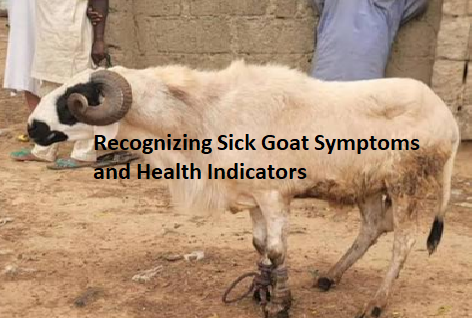
Identifying sick goat symptoms early is the single most important skill for any herd manager. Goats are masters at masking illness because they are prey animals by nature. By the time a goat shows obvious signs of distress, the condition is often advanced and potentially life-threatening.
A healthy goat typically displays a bright, alert expression with ears held forward and eyes clear. They should be chewing their cud contentedly for several hours each day, which is a sign of a functioning rumen.
If you notice a goat standing alone, away from the herd, or acting listless, you must investigate immediately. The most reliable way to assess a goat’s condition is to learn its “normal” baseline behavior before an emergency occurs.
Primary Indicators of Poor Health
The most common sick goat symptoms involve sudden changes in behavior and physical appearance. Watch for a goat that stops eating or drinking, as this is almost always the first sign of a deeper issue. A goat that refuses to chew its cud for an extended period is likely suffering from rumen stasis or severe pain.
Check the animal’s posture and movement closely. A goat that stands with its back arched or its head pressed against a fence or wall is clearly in discomfort.
Rapid, shallow breathing or heavy panting without cause can indicate respiratory distress or systemic infection. If the goat is grinding its teeth, this is a classic, non-verbal signal of significant pain.
Monitoring Temperature and Vital Signs
Taking a goat’s temperature is a fundamental diagnostic step when you suspect illness. A normal rectal temperature for an adult goat ranges from 101.5°F to 103.5°F.
Anything significantly higher indicates a fever, while a low temperature often points toward hypothermia or shock. You should always have a digital thermometer dedicated to animal use in your medical kit.
Beyond temperature, observe the color of the mucous membranes inside the eyelid. You can perform the FAMACHA test to check for signs of anemia, which is often caused by a barber pole worm infestation.
The tissue should be a healthy, vibrant pink rather than a pale, ghostly white. If the eyelids are pale, the animal may need immediate deworming or nutritional support.
Digestive Issues and Rumen Function
Gastrointestinal problems are frequent causes of concern for goat owners. Diarrhea, often called “scouring,” can lead to rapid dehydration and death if left untreated.
Keep a close eye on the consistency of the manure; it should be firm, pellet-like droppings. If the output becomes watery, clumpy, or contains blood, you must identify the cause, such as coccidiosis or parasites.
Conversely, a lack of manure can be equally concerning. If a goat is not passing anything, it might have a blockage or a complete shutdown of the digestive system.
You can listen to the rumen by placing your ear against the left flank. A healthy goat should have a distinct “rumbling” or “gurgling” sound every few seconds.
Respiratory Distress and Coughing
Respiratory illnesses are common in herds kept in damp or poorly ventilated housing. A persistent, dry cough or a wet, rattling sound in the chest requires immediate veterinary attention.
Nasal discharge is another key indicator of respiratory infection. While a tiny amount of clear mucus can be normal, thick, yellow, or green discharge is a sign of bacterial infection.
Keep your housing areas dry and free of ammonia buildup to prevent these issues. Good airflow is essential, but it must not be drafty, as direct wind can stress the animals. If you hear wheezing, check the goat’s environment for moldy hay or dusty feed, which can trigger asthma-like symptoms in sensitive individuals.
Recognizing Neurological Symptoms
Neurological conditions in goats are often frightening and require urgent intervention. A goat that is walking in circles, pressing its head against objects, or exhibiting tremors may have a brain infection or a deficiency.
Polioencephalomalacia is a common neurological issue related to thiamine deficiency. The animal may appear blind, stagger, or act completely confused.
If you observe any signs of seizures or uncontrollable twitching, isolate the animal immediately to prevent injury. These symptoms can be caused by exposure to toxic plants, heavy metal poisoning, or severe electrolyte imbalances. Always consult a veterinarian for neurological cases, as the window for effective treatment is often very narrow.
Common Goat Health Issues
To help you categorize what you might be seeing in the field, this table outlines common health challenges and their typical warning signs.
| Condition | Primary Symptom | Urgency Level |
|---|---|---|
| Barber Pole Worm | Pale eyelids (Anemia) | High |
| Coccidiosis | Bloody or loose stool | High |
| Pneumonia | Labored breathing/Cough | Emergency |
| Bloat | Distended left flank | Emergency |
| Foot Rot | Limping/Foul odor | Moderate |
Preventative Herd Management
Preventing illness is far more effective than trying to treat it after it starts. A consistent vaccination schedule is your first line of defense against common diseases like enterotoxemia and tetanus. You should work with a local veterinarian to design a program that fits the specific risks in your geographic region.
Nutrition plays a massive role in overall immune health. Ensure your goats have access to high-quality forage, clean water, and a mineral supplement formulated specifically for caprine needs.
Avoid sudden changes in diet, as these can easily disrupt the delicate balance of the rumen. Consistent access to loose minerals can prevent many deficiency-related issues before they manifest as physical symptoms.
When to Call a Veterinarian
Knowing when to stop “wait and see” and call a professional is vital. If a goat is down and unable to rise, this is an automatic emergency that requires immediate medical intervention. Persistent refusal to eat or drink for more than 24 hours is another sign that your home treatment has failed.
If you aren’t sure about a diagnosis, it’s better to be safe. You can find detailed resources on animal health management at the USDA Animal and Plant Health Inspection Service website. Having a working relationship with a vet before an emergency happens will make your life significantly easier when a crisis strikes.
Frequently Asked Questions
What are the most common signs of a sick goat?
The most common signs include a loss of appetite, separating from the herd, a dull coat, and changes in fecal consistency. You should also watch for abnormal breathing patterns, teeth grinding, and a lack of rumination, which is the process of chewing cud.
How do I treat a sick goat?
Treatment depends entirely on the underlying cause, which is why accurate diagnosis is the first step. You should check the temperature, hydration levels, and FAMACHA scores before administering any medication. Never use human medications without veterinary guidance, as many are toxic to goats.
What is the most common sickness in goats?
Internal parasite infestations, particularly the barber pole worm, are the most widespread health challenge in goat farming. These parasites cause anemia, weight loss, and general weakness. Proper pasture management and strategic deworming are essential to keeping parasite loads under control.
How can I perk up a sick goat?
If the goat is dehydrated, providing oral electrolytes is a great way to support its system. Ensure the animal is in a quiet, dry, and stress-free environment where it can rest. Offering high-quality, palatable forage like alfalfa can encourage a goat to start eating again.
What does a distended flank mean?
A distended left flank is a classic sign of bloat, which is a life-threatening emergency. This occurs when gas becomes trapped in the rumen and cannot be expelled. You must act quickly by keeping the animal standing and seeking professional veterinary assistance immediately.
Maintaining Herd Vigilance
Consistent observation is the most effective tool in your kit for maintaining animal welfare. By spending time in the pasture every day, you will naturally learn the unique personality and habits of every member of your herd. This familiarity allows you to spot subtle deviations in behavior that indicate a problem long before it becomes a crisis.
When you notice potential sick goat symptoms, stay calm and follow a systematic assessment process. Check the vital signs, look for environmental factors, and document what you see.
Keeping a health log for your goats is a practice that pays off over time, helping you identify recurring patterns or seasonal issues. Your proactive care ensures that your animals remain productive, comfortable, and healthy for years to come.
