

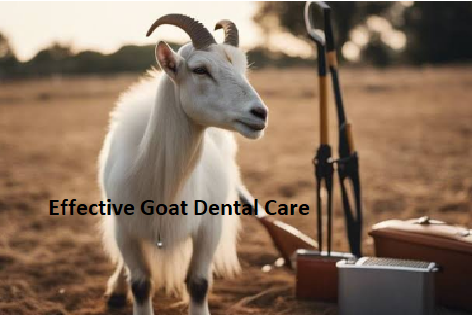
Maintaining proper goat dental care is essential for ensuring your animals thrive throughout their lifespan. Because goats are ruminants that rely on efficient forage processing to extract nutrients, any impairment in their ability to chew directly impacts their weight, milk production, and overall immune function. Understanding how their mouths work allows owners to spot minor issues before they escalate into life-threatening nutritional deficiencies.
Goats generally possess 32 teeth in their adult set, including eight lower incisors that press against a tough, leathery dental pad on the upper jaw. They do not have upper incisors.
This unique anatomy is designed for browsing rather than grazing, allowing them to pull and tear vegetation rather than simply clipping it close to the ground. Proper care involves regular visual inspections and awareness of common age-related shifts in their dental alignment.
Understanding the Goat Dental Anatomy
Goats undergo significant changes in their mouth structure from birth to adulthood. Kids are born with milk teeth, which are eventually replaced by permanent incisors as the animal matures.
By the time a goat reaches four years of age, it should have a full set of permanent adult teeth. Monitoring this transition is a key part of your routine management schedule.
The dental pad is arguably the most important soft tissue structure in the goat’s mouth. It is a thick, fibrous cushion that provides the resistance necessary for the lower teeth to shear through tough forage.
If this pad becomes damaged or infected, the goat will struggle to consume enough dry matter to maintain its body condition. Regularly checking the condition of this pad is a cornerstone of effective goat dental care.
The Timeline of Tooth Development
The eruption of permanent teeth follows a predictable, albeit slightly variable, timeline. You can estimate a goat’s age by examining these incisors. Use the following table to track the expected emergence of permanent teeth in your herd.
| Age of Goat | Permanent Teeth Status |
|---|---|
| 12 to 18 months | First pair of permanent incisors emerge |
| 24 months | Second pair of permanent incisors appear |
| 36 months | Third pair of permanent incisors emerge |
| 48 months | Full set of eight incisors present |
Identifying Signs of Dental Distress
A goat experiencing oral pain will rarely stop eating immediately, which can mask the severity of the problem. Instead, you will notice subtle changes in their behavior during feeding time.
Watch for “quidding,” which is the process of dropping partially chewed food from the mouth. This is a classic indicator that the animal cannot process its forage correctly.
Another red flag is excessive drooling or a persistent discharge from the mouth. If you notice a goat spending an unusually long time chewing the same bite of food, it is time for a closer inspection.
In severe cases, you may observe the animal tilting its head to one side to favor a specific set of molars. These signs should prompt an immediate physical examination of the oral cavity.
Performing a Routine Oral Examination
You do not need specialized equipment to conduct a basic check of your goat’s teeth. Start by gently grasping the goat’s muzzle and pulling the lips back to expose the incisors and the dental pad.
You are looking for loose teeth, abscesses, or foreign objects like splinters or burrs. Ensure the animal is restrained safely before attempting to open its mouth wider.
For a deeper look at the molars, you may need a flashlight and a speculum to keep the mouth open safely. Most owners find that using a simple headlamp provides the best visibility when checking the back of the mouth.
If you suspect an issue with the molars, such as sharp points or uneven wear, you should consult a veterinarian. For more details on common livestock health issues, you can review the Merck Veterinary Manual resources on ruminant physiology.
Managing Worn or Broken Teeth
As goats age, their teeth naturally wear down, which is often referred to as “breaking mouth” in older animals. Once the incisors become worn to the gum line or fall out entirely, the goat’s ability to forage on pasture significantly declines.
This is a natural stage of senescence, but it requires a change in your feeding strategy. You must provide softer, more digestible feed to these senior members of the herd.
In cases where a tooth is broken due to trauma, the pulp cavity may become exposed. This leads to severe pain and potential infection that can spread to the jawbone.
If you spot a broken tooth with an exposed nerve, antibiotics and professional dental filing are often necessary. Neglecting these injuries can lead to the animal becoming too thin to sustain its health through winter.
Common Oral Health Complications
Goats are prone to a condition known as “lumpy jaw,” which is an actinomycosis infection of the jawbone. This often starts when minor injuries in the mouth allow bacteria to penetrate the bone tissue.
You will notice a firm, non-tender swelling on the lower jaw that gradually enlarges. Early intervention with iodine treatments or systemic antibiotics is vital to stop the progression of this disease.
Periodontal disease is another concern that often goes unnoticed in goats. It typically manifests as inflammation of the gums, causing the teeth to loosen over time.
While less common in goats than in companion animals, it still occurs in herds kept on poor-quality, dusty, or abrasive feed. Keeping the environment clean and providing high-quality forage reduces the risk of these chronic conditions.
The Role of Nutrition in Dental Health
What your goats eat directly impacts the longevity of their teeth. Highly abrasive feeds, such as those grown in sandy soils, can accelerate the rate at which teeth wear down.
Conversely, feeding only soft, processed grains does not provide the natural abrasive action required to keep teeth clean and properly aligned. A balanced diet of high-quality hay and appropriate browse is the best approach for long-term dental health.
Ensure that your goats have access to adequate minerals, particularly calcium and phosphorus. These minerals are essential for the maintenance of strong dental enamel and healthy bone structure in the jaw.
If a goat is suffering from a mineral deficiency, its teeth may become brittle and prone to premature breakage. Consult with a local agricultural extension agent to tailor your mineral supplementation to your specific region.
Preventative Strategies for Herd Longevity
Preventing dental issues is far more effective than treating them after they become symptomatic. Regular handling of your goats is the most important preventative measure you can take.
When you handle them often, they become accustomed to having their mouths touched, making emergency inspections much less stressful. Incorporate a quick “mouth check” into your monthly health routine for every goat in your herd.
You should also keep a close eye on the environment your goats graze in. Avoid pastures with excessive amounts of sharp, woody, or toxic plants that could cause mouth lesions.
If you notice a particular goat losing weight despite having access to plenty of food, perform a dental exam immediately. Catching these problems early is the difference between a quick recovery and long-term health decline.
Frequently Asked Questions
Do goats need professional dental cleaning like dogs?
Most goats do not require professional scaling or cleaning unless they develop specific pathology like periodontal disease. Their natural diet of roughage typically provides enough mechanical abrasion to keep their teeth relatively clean. If you notice heavy tartar buildup or foul breath, it is worth a consultation with a vet to rule out infection.
What is the number one cause of dental death in goats?
While not always the direct cause of death, “broken mouth” or severe tooth loss in aging goats is a primary contributor to nutritional failure. When an older goat can no longer process enough forage to meet its metabolic demands, it loses condition rapidly. This makes the animal susceptible to secondary illnesses, parasites, and cold stress, which are the eventual killers.
At what age do goats start losing their baby teeth?
Goats typically begin losing their central deciduous incisors around 12 to 15 months of age. This process continues over the next few years as the permanent teeth push the baby teeth out. By the time the goat is a mature adult, the entire set of permanent teeth will have replaced the temporary ones.
How can I tell if a goat has bad teeth?
Look for signs like dropping food while chewing, excessive salivation, or a swollen jaw. A goat with dental pain will often stand back from the feeder or show a preference for softer feeds over harder hay. You may also notice the animal chewing with its head tilted to one side to avoid painful areas.
Are there specific supplements for goat dental health?
No supplement specifically targets teeth, but balanced mineral blocks are crucial. A diet deficient in calcium or phosphorus can weaken tooth integrity. Always provide a free-choice mineral mix designed for goats to ensure they maintain the bone density required for healthy jaw function.
Ensuring Long-Term Herd Health
Goat dental care is a fundamental responsibility for anyone committed to the long-term health of their animals. By understanding the natural timeline of tooth development and recognizing the early warning signs of distress, you can prevent many common issues before they spiral. Regular visual inspections and a balanced nutritional program will support your goats through every stage of their lives.
Remember that a healthy mouth is the gateway to a healthy body. When your goats can chew effectively, they can extract the maximum value from their feed, maintain their body condition, and produce milk or fiber more efficiently.
Take the time to observe your herd closely, and do not hesitate to reach out to a veterinarian if you spot something that does not look right. Consistent, proactive attention to these details is the hallmark of responsible animal husbandry.
