

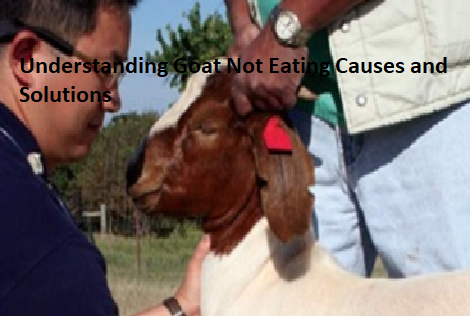
Investigating the various goat not eating causes is essential for any owner, as a loss of appetite is often the first red flag of a serious health crisis. Goats are stoic animals that frequently mask illness until it has reached an advanced stage, making early detection vital for survival. When a goat stops consuming feed, it isn’t just a minor behavioral quirk; it is a physiological distress signal requiring immediate assessment.
By identifying whether the issue stems from digestive upset, environmental stressors, or infectious disease, you can better determine the necessary intervention. This article provides the clinical perspective on why these animals stop eating and how to respond effectively to restore their health.
Identifying the Root Causes of Anorexia
The most common reason for a goat to stop eating is a condition known as rumen stasis. The rumen is a complex fermentation vat that requires constant movement and specific bacterial balance to function.
If the pH levels drop too low due to excessive grain intake, or if the rumen stops contracting entirely, the goat will cease eating. This is often accompanied by a bloated appearance or a grinding of the teeth, which is a classic sign of pain in caprine species.
Another frequent driver of appetite loss is the presence of internal parasites, particularly the barber pole worm. These parasites attach to the abomasum and suck blood, leading to severe anemia and a profound lack of energy.
When a goat is heavily burdened by worms, their body prioritizes survival over food intake, leading to a noticeable decline in body condition. You may notice pale mucous membranes in the eyelids or gums if you pull them back for a quick health check.
Environmental factors can also play a significant role in sudden appetite suppression. Goats are notoriously picky eaters and will refuse contaminated or moldy hay, even if they are hungry.
If the water supply has been tainted by droppings or if the trough has developed algae, the herd may refuse to drink, which subsequently triggers a refusal to eat. Always inspect the quality of your forage and water sources before assuming a medical emergency is at play.
Common Medical and Physiological Triggers
When diagnosing goat not eating causes, you must consider infectious diseases that affect the respiratory and digestive tracts. Pneumonia is a major killer in goat herds, often triggered by sudden temperature fluctuations or damp housing conditions.
A goat struggling to breathe will naturally avoid eating because the act of chewing and swallowing interferes with their labored respiratory cycle. Look for nasal discharge, coughing, or an elevated temperature as indicators of respiratory distress.
Metabolic conditions are another critical category, especially in high-producing dairy goats or pregnant does. Pregnancy toxemia, or ketosis, occurs when a doe cannot meet her high energy demands during late gestation.
She begins breaking down body fat too rapidly, which produces toxins that suppress her appetite and cause neurological symptoms. This is a life-threatening condition that requires immediate veterinary attention and energy supplementation.
Physical obstructions in the digestive tract can also lead to a complete cessation of appetite. If a goat ingests a foreign object, such as a piece of plastic or a large clump of matted hair, it can create a blockage in the esophagus or the rumen.
These cases are difficult to diagnose without imaging, but they often present as a goat that is clearly hungry but unable to keep anything down. Watch for excessive salivation or repetitive attempts to swallow without success.
Assessing Health Through Clinical Signs
Determining if your goat is truly ill requires a systematic physical assessment. Start by checking the temperature, which should ideally fall between 101.5°F and 103.5°F.
A fever often suggests an infection or inflammation, while a subnormal temperature can indicate shock or a metabolic crash. Use a digital thermometer rectally for the most accurate reading, as the ears are not a reliable gauge for goats.
Observe the animal’s behavior in relation to the rest of the herd. A healthy goat is curious and alert, while a sick goat will often isolate itself in a corner with its head hung low.
If you see a goat lying down and refusing to stand when encouraged, this is a severe warning sign of weakness. You can find detailed veterinary guidance on managing these symptoms through the Merck Veterinary Manual, which outlines standard protocols for ruminant care.
Hydration status is just as important as nutritional intake. You can test for dehydration by pinching the skin on the neck; if it takes more than two seconds to snap back into place, the goat is likely dehydrated.
Dehydration causes the rumen contents to become too dry, which stops the natural flow of digestion. Offering electrolytes can help, but you must ensure the animal is capable of swallowing before forcing fluids.
Categorizing Potential Issues
To better understand the wide spectrum of reasons behind this behavior, it helps to categorize them by their underlying nature. The following table illustrates the main categories of concern.
| Category | Common Examples | Primary Symptom |
|---|---|---|
| Infectious | Pneumonia, Coccidiosis | Fever, lethargy |
| Metabolic | Ketosis, Acidosis | Stance, teeth grinding |
| Parasitic | Barber Pole Worm, Flukes | Pale gums, weight loss |
| Environmental | Moldy feed, dirty water | Selective eating, refusal |
Steps for Immediate Home Intervention
If you have identified that a goat is not eating, your first priority is to stabilize the animal while you await professional advice. You should immediately separate the sick individual from the herd to prevent the spread of potential contagion and to monitor their output accurately. Keeping them in a quiet, draft-free environment reduces stress, which is vital for recovery.
Offer high-quality, palatable feed such as fresh alfalfa or a small amount of sweet feed to see if you can tempt them. Sometimes, a “rumen bolus” or a probiotic paste can help jumpstart the microbial population in the rumen after a bout of illness.
These products are readily available at agricultural supply stores and are generally safe to administer as a first-line effort. Always keep a log of what you have administered and at what time.
It is also helpful to provide warm water with a pinch of molasses or electrolytes. The sugar provides a quick burst of energy, while the electrolytes replace lost minerals.
If the goat refuses to drink voluntarily, you may need to use a drenching syringe to slowly introduce fluids. Do this with extreme caution to prevent the liquid from entering the lungs, which can cause fatal aspiration pneumonia.
Understanding the Role of Parasites
Parasitic load is perhaps the most common of all goat not eating causes, especially in humid climates. Goats are browsers by nature, but when forced to graze close to the ground, they ingest larvae that have crawled up the blades of grass.
Over time, these worms multiply, leading to a condition known as “bottle jaw,” where fluid accumulates under the chin. This is a late-stage symptom and indicates the animal is in critical condition.
To combat this, perform regular FAMACHA scoring on your herd. This system involves checking the color of the inner eyelid to determine the level of anemia.
A bright red or pink eyelid indicates a healthy goat, while a white or pale eyelid suggests a severe parasite load. If your goat scores in the pale range, you must consult a vet for the correct dewormer, as many parasites have developed resistance to common medications.
Rotating pastures is the best long-term strategy for preventing these issues. By moving the herd to fresh ground every two to three weeks, you break the life cycle of the worms before they can re-infect the goats.
Never keep more animals on a plot of land than the vegetation can support. Overgrazing is the fastest way to invite a parasite outbreak that will leave your goats thin and off their feed.
Common Questions Regarding Appetite Loss
How can I tell if my goat is in pain?
Goats exhibit pain through specific behaviors such as grinding their teeth, vocalizing more than usual, or standing with a hunched back. They may also kick at their abdomen or refuse to lie down because the movement is too uncomfortable.
What should I do if a baby goat stops eating?
A baby goat not eating is a medical emergency that can lead to death within hours due to hypoglycemia. You should immediately check their body temperature and provide a warm energy supplement like Nutri-Drench while contacting a vet for guidance on potential scours or infection.
Can stress cause a goat to stop eating?
Yes, sudden changes in the environment, the introduction of new herd members, or the loss of a companion can cause a goat to go off its feed. This is usually temporary, but you should monitor them closely to ensure the stress does not lead to a secondary illness.
Is it safe to force-feed a goat?
Force-feeding solid food is generally dangerous and can lead to choking or aspiration. You should focus on providing easily digestible energy sources like electrolytes or specialized probiotic gels until the goat is strong enough to eat on its own.
How long can a goat go without eating before it is a crisis?
A healthy adult goat can survive for a short period, but you should never wait longer than 24 hours to address a total loss of appetite. Younger goats and those with underlying health issues need intervention much sooner, often within 6 to 12 hours of noticing the symptom.
Prevention and Herd Management Strategies
Preventing the issues that lead to appetite loss requires a proactive approach to husbandry. Providing a mineral block specifically designed for goats is crucial, as copper and selenium deficiencies can weaken the immune system and make goats more susceptible to illness.
Many owners fail to realize that standard cattle minerals do not have the correct ratios for goats. High-quality hay should be stored in a dry, ventilated area to prevent the growth of toxic molds.
Regular vaccinations are another cornerstone of health management. Clostridium perfringens types C and D, along with tetanus (the CD&T vaccine), should be administered annually to all goats.
These bacteria are present in the soil and can cause sudden, fatal digestive issues if the animal is not protected. Keep clear records of when each goat was vaccinated so that you never miss a booster dose.
Finally, keep a close relationship with a local large-animal veterinarian. You should know exactly who to call before an emergency happens.
Having a basic medical kit on hand that includes a thermometer, antiseptic, electrolytes, and a drenching syringe will help you act quickly. The speed at which you respond to goat not eating causes is the single most important factor in ensuring a positive outcome for your animal.
Final Thoughts on Nutritional Recovery
Addressing the mystery of why your animal has stopped consuming feed requires patience, observation, and a willingness to act fast. By monitoring for the clinical signs mentioned—such as fever, pale gums, or a hunched posture—you can differentiate between a minor digestive upset and a life-threatening illness. Always prioritize hydration and the restoration of rumen function before attempting to force heavy feed intake.
Remember that your vigilance as a caretaker is the most effective tool in your arsenal. If symptoms persist despite your efforts, reach out to a professional immediately to avoid long-term complications. With consistent management and a focus on preventative care, you can maintain a healthy herd and effectively manage the various goat not eating causes that you may encounter in your journey as a producer.
