

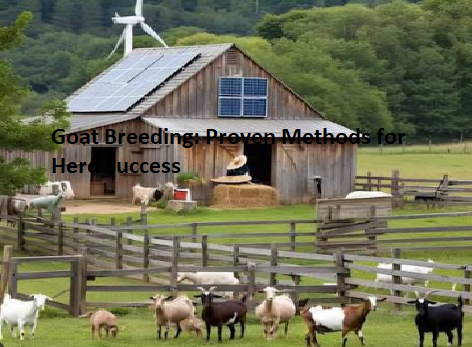
Successful goat breeding requires a deep understanding of animal husbandry, genetics, and seasonal cycles. Whether you are managing a small homestead herd or operating a commercial dairy, mastering the reproductive process is the foundation of your long-term success. This article provides the technical details, timelines, and management strategies needed to optimize your herd performance and ensure healthy offspring.
The gestation period for a goat is approximately 150 days, or roughly five months. While minor variations occur based on breed and environmental factors, you should mark your calendar for exactly five months from the date of a successful breeding event. Most producers use a standard gestation calculator to pinpoint the expected kidding date, allowing for proper preparation of birthing stalls and medical supplies.
Understanding the Goat Breeding Season
Goats are generally considered “short-day breeders,” meaning their reproductive cycles are triggered by the shortening of daylight hours. In many temperate regions, this natural cycle begins in late summer or early autumn, typically between August and January. During this window, does experience regular estrus cycles, making them receptive to bucks.
Breeders who want to capitalize on this seasonal window must keep their animals in peak physical condition before the days begin to shorten. If a doe is underweight or suffering from mineral deficiencies, her body may fail to trigger an estrus cycle even if the photoperiod is correct. You should assess your herd’s body condition scores (BCS) in early summer to ensure everyone is ready for the upcoming season.
Some breeds, such as the Nubian or certain tropical varieties, may exhibit “out-of-season” breeding traits. These animals can sometimes cycle year-round, which allows for more flexible kidding schedules. However, relying on off-season breeding often requires more intensive management, including light manipulation or hormonal synchronization protocols to ensure consistent results.
Selecting Breeding Stock
Choosing the right animals is the most critical step in long-term herd improvement. You should avoid selecting stock based solely on appearance; instead, prioritize performance data, milk production records, and structural soundness. A buck should exhibit strong masculine traits and possess a proven pedigree that aligns with your specific production goals.
When evaluating a potential sire, examine his hoof structure, leg alignment, and overall vigor. A buck that struggles with mobility will be ineffective in a pasture setting, leading to missed breeding opportunities and lower conception rates. Always check for signs of hereditary defects, such as teat deformities, which can be passed down to his daughters and affect future dairy performance.
For the does, focus on their history of kidding ease and mothering ability. A goat that requires constant human intervention during labor is a liability in a large-scale operation. You want animals that can conceive, carry to term, and raise healthy kids with minimal medical intervention.
Managing the Buck
A single mature buck is capable of servicing a significant number of does, but he requires adequate nutrition to maintain his stamina. During the peak of the season, a buck may lose a considerable amount of weight due to his high activity levels. You must monitor his condition closely, as a buck that becomes too thin will lose interest in the does and exhibit reduced fertility.
Housing your buck separately from the does during the off-season prevents accidental breeding and allows you to manage his diet independently. Keep him in a well-fenced area with access to clean water and high-quality forage. If you are running multiple bucks, ensure they have sufficient space to avoid aggressive conflicts, which can result in injuries to their legs or reproductive organs.
You can introduce the buck to the does at the start of the season using a “teasing” method. This involves placing the buck in an adjacent pen so the does can smell him, which often triggers the onset of estrus in the herd. This practice, known as the “buck effect,” can help synchronize the breeding dates of your does, making the kidding season more manageable.
Monitoring Estrus and Conception
Identifying the signs of heat is essential for those using hand-breeding methods. A doe in heat will often become vocal, exhibit a swollen vulva, and show a noticeable decrease in appetite. You might also notice her seeking out the buck or displaying increased restlessness within the herd.
Hand-breeding allows you to record the exact date of service, which is vital for planning your kidding schedule. Keep a detailed logbook of every mating event to track which buck was used and on what date. This data is invaluable for predicting birth dates and managing your labor requirements during the busy winter months.
If you are using pasture breeding, where the buck runs with the herd, you must still maintain accurate records. Mark the date the buck was introduced to the pasture and the date he was removed. You can also use a marking harness on the buck, which leaves a colored dye on the doe’s back when he mounts her, providing a clear visual indication of successful activity.
Essential Breeding Data
To help you plan your operations, the following table outlines the critical milestones and metrics associated with the reproductive cycle of a typical dairy goat.
| Event | Typical Timeline/Value |
|---|---|
| Gestation Period | 145–155 days |
| Estrus Cycle Length | 18–21 days |
| Duration of Heat | 12–36 hours |
| Age of Puberty | 5–8 months |
| Buck-to-Doe Ratio (Pasture) | 1:30–1:50 |
Nutrition and Mineral Requirements
Reproductive performance is directly tied to the nutritional intake of your animals. During the breeding season, does require a “flushing” period, which involves increasing their energy intake to boost ovulation rates. This is typically achieved by providing high-quality alfalfa hay or a small amount of supplemental grain two weeks before the start of the breeding season.
Mineral supplementation is equally vital for successful conception and fetal development. Goats are highly sensitive to copper, selenium, and zinc levels in their diet.
A deficiency in these essential minerals can lead to early embryonic death, weak kids, or retained placentas. You should offer a high-quality, loose-mineral mix formulated specifically for goats, rather than relying on standard salt blocks.
Always provide access to fresh, clean water at all times. Lactating does and pregnant animals have higher water requirements than dry animals, and dehydration can lead to metabolic stress. If your water source is prone to freezing during the winter, consider installing tank heaters to ensure your herd stays hydrated throughout the coldest months.
Common Breeding Challenges
Even the most experienced breeders encounter setbacks, such as “silent heats” or repeat breeders. A silent heat occurs when a doe is ovulating but shows no outward signs of being in season. If you suspect this, consult with a veterinarian to perform an ultrasound or check for underlying reproductive issues.
Another common issue is the presence of internal parasites, which can severely impact a goat’s body condition and fertility. Implement a proactive parasite management plan that includes regular fecal egg counts and strategic deworming. For more information on maintaining animal health during the breeding cycle, visit the official USDA Animal and Plant Health Inspection Service website for guidelines on livestock management.
* Maintain accurate records for every animal.
* Perform routine health screenings before breeding.
* Monitor body condition scores regularly.
* Keep a strict vaccination schedule.
* Ensure proper mineral balance in the diet.
Frequently Asked Questions
How many times do goats breed a year?
Most goats are seasonal breeders and typically produce one set of offspring per year. While it is biologically possible for a doe to conceive again shortly after giving birth, this is generally discouraged as it prevents the animal from recovering her body condition and puts unnecessary stress on her health.
Are goats easy to breed?
Goats are relatively prolific, but they require consistent management to be successful. If you provide them with proper nutrition, adequate shelter, and clean living conditions, they generally handle the breeding and birthing process quite well on their own.
How many times does a male goat mate in a day?
A mature, healthy buck is capable of mating multiple times a day, especially when first introduced to a group of does in heat. However, excessive breeding can lead to physical exhaustion and reduced semen quality, which is why monitoring the buck’s health and activity level is important.
How many months are goats pregnant for?
A goat’s pregnancy lasts about five months, or roughly 150 days. It is helpful to track the breeding date closely so you can prepare the kidding environment about 140 days after the initial date.
Optimizing Herd Health
Successful goat breeding is not just about the act of mating; it is about creating a sustainable system that prioritizes the long-term health of your animals. By focusing on selective breeding, nutritional management, and accurate record-keeping, you can build a productive herd that thrives over many years. Always observe your animals closely, as they will often signal when something is amiss before it becomes a major problem.
Consistency in your management practices will lead to more predictable kidding seasons and healthier offspring. As you gain more experience, you will develop a sharper eye for identifying the subtle signs of estrus and understanding the unique needs of your individual goats. Remember that every successful breeding season begins with a well-planned strategy and a commitment to the highest standards of animal care.
