

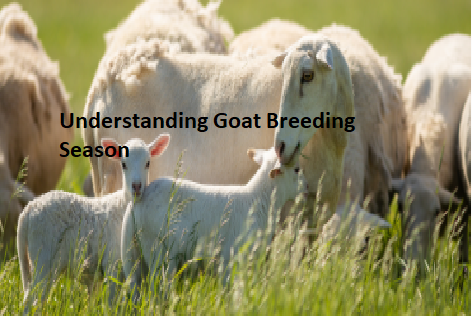
Managing a goat herd effectively requires a clear understanding of the natural reproductive cycles that dictate when kids will arrive on your farm. Most goats are seasonal breeders, meaning their fertility is directly tied to the changing length of daylight hours throughout the year.
The primary goat breeding season in the Northern Hemisphere typically begins in late summer or early autumn, specifically from August through January. During this window, as the days grow shorter, does enter estrus, also known as being “in heat,” which makes them receptive to bucks. While some breeds, such as the Pygmy or Nigerian Dwarf, may cycle year-round, the vast majority of dairy and meat breeds follow this photoperiodic rhythm.
The Science Behind Seasonal Breeding
The trigger for reproductive activity in goats is the pineal gland, which monitors light intake through the eyes. As daylight wanes in the fall, the gland increases the production of melatonin, which signals the endocrine system to begin cycling. This biological mechanism ensures that kids are born in the spring when forage is abundant and temperatures are milder.
If you attempt to force breeding outside of this natural window, you will often find that conception rates drop significantly. While hormonal treatments like progesterone sponges or CIDRs can manipulate a doe’s cycle, these methods are usually reserved for commercial dairies looking for year-round milk production. For the average small-scale farmer, working with the natural cycle is generally healthier for the animals and more cost-effective.
Signs of Estrus in Does
Identifying when your doe is ready for breeding is critical for planning your kidding schedule. A doe in heat will display distinct physical and behavioral changes that are hard to miss if you spend time observing your herd. She will often become restless, vocalize more frequently, and demonstrate a sudden interest in the buck.
Physical indicators include a swollen vulva and a noticeable discharge that may turn from clear to cloudy. You might also notice her tail “flagging” or wagging back and forth more than usual. Experienced bucks are incredibly sensitive to these pheromones and will often pace along the fence line, curling their upper lip to “taste” the air in a behavior known as the flehmen response.
Preparing the Buck for Service
The buck is half the herd, so his condition leading up to the breeding season is just as important as the doe’s. You should begin evaluating his physical health at least six weeks before you plan to introduce him to the does. Ensure he is up to date on vaccinations, mineral supplements, and parasite control, as a sick or nutrient-deficient buck will have lower sperm quality.
A common mistake is keeping the buck in the same enclosure as the does year-round. This can lead to uncontrolled breeding, which results in kids arriving during the dead of winter when survival rates are lower. Ideally, keep your bucks separated by at least 50 feet of fencing to prevent accidental contact, but close enough that they remain socialized.
Managing the Breeding Process
When you are ready to start the breeding season, you have a few options for how to manage the actual mating. Hand-mating is the most common method for small farms because it allows you to record exact breeding dates. By keeping the buck separate and only bringing him to a doe for a controlled session, you know exactly when to expect kids.
Pasture breeding is the alternative, where you turn the buck out with the does for the duration of the season. This is less labor-intensive but makes it difficult to predict kidding dates with precision. If you choose this route, ensure your fencing is reinforced, as an amorous buck can be surprisingly destructive when he spots a doe in heat.
Key Breeding Considerations
- Record Keeping: Maintain a logbook of every heat cycle and mating date to project future kidding dates.
- Body Condition Score: Aim for a score of 3 out of 5 for both does and bucks before the start of the season.
- Mineral Balance: Copper and selenium are essential for reproductive success; consult a local vet for specific regional deficiencies.
- Age Requirements: Wait until a doe has reached at least 60% of her mature body weight before breeding her for the first time.
Predicting Kidding Dates
Once a successful mating occurs, you can calculate the expected arrival of your kids with a high degree of accuracy. The average gestation period for a goat is approximately 150 days, though this can fluctuate slightly by a few days depending on the breed and the individual animal. If you know the date of the successful mating, you can mark your calendar for five months later.
It is helpful to keep a simple chart in your barn that tracks these dates for every doe in the herd. This allows you to prepare your kidding stalls and supplies, such as colostrum replacer and warming lamps, well in advance. Planning helps reduce the stress of surprise births and ensures you are available to assist if a delivery becomes difficult.
Environmental Factors and Fertility
Beyond daylight hours, environmental stressors can significantly impact the success of your breeding program. Extreme heat, for example, can cause temporary infertility in bucks, a condition often referred to as “summer slump.” If you live in a region with scorching late-summer temperatures, your conception rates might be lower during the very beginning of the season.
Proper nutrition is another pillar of reproductive health that many owners overlook. A process known as “flushing” involves increasing the energy intake of does about two to three weeks before the breeding season starts. By providing high-quality forage or a small amount of grain, you can encourage the does to ovulate multiple eggs, potentially increasing the likelihood of twins or triplets.
Data Comparison of Breeding Systems
The choice between different management strategies depends largely on your available space and the size of your operation. The following table provides a quick look at how these strategies differ in terms of labor and accuracy.
| Management Style | Labor Required | Kidding Date Accuracy | Best For |
|---|---|---|---|
| Hand-Mating | High | Very High | Small herds, pedigree breeders |
| Pasture Breeding | Low | Low | Large herds, commercial operations |
| AI (Artificial Insemination) | Very High | Perfect | Genetic improvement programs |
Common Challenges During Breeding
Even with the best preparation, you may run into hurdles that delay or prevent pregnancy. One frequent issue is the “silent heat,” where a doe is cycling but shows very few outward signs. If you suspect this is happening, you might need to introduce a buck to the fence line to trigger a stronger response from the does.
Another challenge is infertility, which can affect either the buck or the doe. If a buck has been with a group of does for two full cycles and none have conceived, you should consider having a veterinarian perform a breeding soundness exam. You can find detailed veterinary guidelines on animal health through resources like the American Veterinary Medical Association, which provides comprehensive information on livestock care.
Frequently Asked Questions
How many times a year can a goat get pregnant?
Most goats are seasonal breeders and will only produce one litter of kids per year. While some breeds can cycle year-round, attempting to force two pregnancies in a single 12-month period is physically taxing and often results in poor health for the doe.
How many times does a male goat mate in a day?
A mature, healthy buck is capable of mating multiple times a day during the peak of the season. However, if he is kept with too many does, he may exhaust himself, leading to a drop in sperm quality.
What month should you breed goats?
In the Northern Hemisphere, the most successful breeding months are September and October. This timing ensures that the kids are born in February or March, allowing them to grow during the lush spring months.
How do you know if a goat has mated?
The most reliable sign is that the doe does not return to heat roughly 18 to 21 days after the initial breeding. If you observe her tail flagging or vocalizing again three weeks later, the first attempt was likely unsuccessful.
Conclusion
Successfully navigating the goat breeding season requires a blend of careful planning, keen observation, and an understanding of your herd’s natural rhythms. By aligning your management practices with the biological triggers of the goats, you set the stage for a healthy kidding season and a productive year ahead. Remember that every herd is unique, and small adjustments to nutrition or housing can make a significant difference in your overall success rate.
Keep detailed records of your observations, monitor your bucks and does for optimal health, and do not hesitate to consult with a veterinarian if you encounter persistent issues. With consistent care and a focus on the fundamentals, you will find that breeding becomes a predictable and rewarding part of your farming experience. Good luck with your upcoming kids.
