

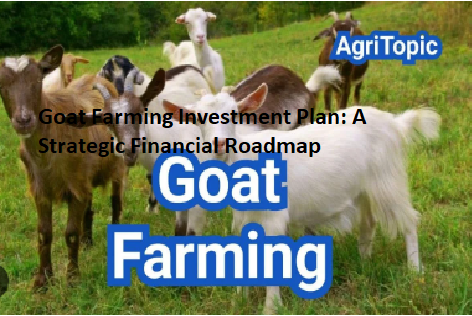
Developing a comprehensive goat farming investment plan requires balancing initial capital expenditure against long-term operational yields. Whether you are targeting the dairy market or meat production, understanding the specific cash flow requirements is the difference between a hobby and a scalable agricultural enterprise.
This assessment outlines the essential financial benchmarks, infrastructure needs, and market variables that determine the viability of your operation. By focusing on asset allocation and herd management, you can build a sustainable model that withstands typical industry volatility.
A professional goat farming investment plan typically requires an initial capital outlay ranging from $15,000 to $50,000 for a small-to-medium scale startup of 20 to 50 head of livestock. This figure covers the procurement of breeding stock, basic shelter construction, fencing, and initial feed inventory.
Operating costs will consume roughly 60% to 70% of your annual budget, with feed and veterinary care representing the largest recurring expenses. You should anticipate a break-even point occurring between the 24th and 36th month of operation, provided that your management practices maintain high kid survival rates and efficient feed conversion.
Assessing Land Requirements and Infrastructure
Land management is the foundation of your investment. You need approximately one acre for every 6 to 10 goats, depending on the quality of your pasture and your willingness to supplement with harvested forage. Overstocking leads to soil degradation and increased parasite loads, which can quickly erode your profit margins through rising veterinary bills.
Infrastructure costs often surprise new investors. You must invest in perimeter fencing that is both predator-proof and high enough to contain agile breeds; a 48-inch woven wire fence is the industry standard. Shelter requirements are relatively modest, as goats simply need a dry, draft-free area protected from prevailing winds.
Building a barn or retrofitting an existing structure requires careful planning regarding ventilation. Poor air quality leads to respiratory issues, which are the leading cause of mortality in juvenile goats. Allocate roughly 15 square feet per animal in indoor housing to ensure adequate space and prevent overcrowding stress.
Capital Allocation for Livestock Procurement
Your choice of breed dictates your primary revenue stream. Dairy breeds like Nubian or Alpine require higher initial investment in milking equipment and sanitation facilities. Meat-focused breeds such as Boer or Kiko prioritize rapid weight gain and hardiness, reducing the need for intensive climate-controlled housing.
Purchasing high-quality breeding stock is a non-negotiable expense. You should expect to pay between $300 and $800 per registered doe, depending on pedigree and production history. Never skimp on the buck, as he represents half of your herd’s genetic potential; a superior sire is the most cost-effective investment you can make for long-term herd improvement.
Always quarantine new animals for at least 30 days before introducing them to your main herd. This practice prevents the introduction of contagious diseases like Caseous Lymphadenitis or Caprine Arthritis Encephalitis. The cost of a single disease outbreak can bankrupt a startup, making strict biosecurity a core component of your financial planning.
Revenue Streams and Market Positioning
Diversifying your income sources protects your farm from market fluctuations. While meat sales provide a steady, predictable cash flow, secondary products can significantly enhance your profit margins. You might consider the following revenue channels:
- Direct-to-consumer sales of goat meat (chevon) at local farmers’ markets.
- Sale of registered breeding stock to other local producers.
- Production of value-added dairy products like artisan cheese or yogurt.
- Sales of manure as high-quality, composted organic fertilizer.
- Agritourism opportunities, such as goat yoga or farm tours.
Focusing on niche markets often yields higher returns than selling at conventional livestock auctions. Auction houses typically pay commodity prices, which rarely cover the actual cost of production for smallholders. Developing a direct relationship with local chefs or ethnic specialty markets can increase your price per pound by 20% to 40%.
Operational Costs and Feed Management
Feed is the largest variable cost in any goat farming investment plan. You can minimize this by implementing a rotational grazing system that maximizes forage utilization. When pasture is unavailable, you must rely on high-quality hay and mineral supplements.
Mineral deficiencies are a common cause of poor reproductive performance. Goats require a balanced intake of copper, selenium, and zinc to thrive. Investing in a high-quality loose mineral mix specifically formulated for goats—rather than sheep or cattle—is vital for preventing metabolic issues.
Labor costs are often underestimated by new producers. If you are not performing the daily chores yourself, you must factor in the hourly wage for skilled farm labor. For a herd of 50, expect to spend at least 2 to 3 hours per day on feeding, monitoring, and basic maintenance tasks.
Financial Projections and Profitability Table
To visualize the transition from startup to profitability, consider the following estimates for a 50-head meat goat operation. These figures are illustrative and assume standard management practices in a temperate climate.
| Expense/Revenue Category | Year 1 (Setup) | Year 2 (Growth) | Year 3 (Stable) |
|---|---|---|---|
| Infrastructure & Fencing | $12,000 | $1,000 | $500 |
| Livestock Purchase | $15,000 | $2,000 | $3,000 |
| Feed & Veterinary | $8,000 | $10,000 | $12,000 |
| Total Revenue | $4,000 | $15,000 | $28,000 |
The initial loss in Year 1 is standard for agricultural ventures. By Year 3, the increased herd size and improved genetics result in a positive cash flow. These projections rely heavily on your ability to maintain a minimum 1.5 kid-per-doe weaning rate.
Risk Mitigation and Insurance
Agriculture is inherently risky due to weather, disease, and market volatility. You must incorporate a risk management strategy into your financial plan. This includes maintaining an emergency cash reserve equivalent to six months of operating expenses.
Livestock insurance is available for high-value breeding stock, though it is often cost-prohibitive for commercial-grade meat animals. Instead, focus on building a natural buffer through herd health management. You can find detailed resources on animal welfare and health regulations through the USDA Animal and Plant Health Inspection Service to ensure you remain compliant with national standards.
Diversification also applies to your herd composition. Running a mix of ages ensures that you have animals ready for market at different times throughout the year. This prevents the “all-or-nothing” revenue cycle that plagues many seasonal producers.
Regulatory and Compliance Considerations
Every state and municipality has different zoning laws regarding livestock. Before sinking capital into infrastructure, verify that your property is zoned for agricultural use. Failure to check local ordinances can lead to legal fees and the forced relocation of your herd.
If you intend to sell dairy products, the regulatory burden increases significantly. You will likely need to pass inspections for a Grade A or Grade B milking facility. These facilities have strict requirements for stainless steel equipment, temperature control, and record-keeping.
Waste management is another critical area of compliance. You must have a plan for handling manure that prevents runoff into local water sources. Depending on your farm’s size, you may be required to file a nutrient management plan with your local environmental agency.
Scaling for Long-Term Success
Once your operation is stable, scaling should be gradual. Doubling your herd size overnight rarely works because it stresses your existing infrastructure and labor capacity. Focus on improving your feed conversion ratio and selecting for maternal traits before increasing total numbers.
Data collection is the key to scaling efficiently. You should track the performance of every individual doe, including her kidding history, health records, and the growth rate of her kids. If a doe consistently produces a weak kid or requires extra veterinary care, she should be culled from the herd.
Technological investments can also drive efficiency. Automatic waterers, mobile milking parlors, and digital tracking software can save hours of manual labor. These tools allow you to manage a larger herd with the same amount of human input, effectively lowering your cost per head.
Frequently Asked Questions
Is goat farming a profitable long-term investment?
Profitability is achievable but requires strict expense control and efficient production cycles. It is rarely a “get rich quick” scheme, as the margins depend heavily on your ability to minimize feed costs and maximize the health of the herd.
How much land do I need to start?
For a small start-up of 10 to 20 goats, you need at least two to three acres of well-managed pasture. If you plan to rely entirely on purchased hay and grain, you could manage with less land, but your overhead costs will be significantly higher.
What is the biggest expense in goat farming?
Feed is consistently the highest recurring cost for farmers. Whether you are grazing or buying hay, the nutritional requirements of the herd represent the bulk of your monthly budget, followed closely by veterinary supplies and mineral supplements.
Do I need specialized equipment for meat goats?
Meat goats require less specialized equipment than dairy goats, but you still need strong handling facilities. A sturdy chute or head gate is essential for performing routine health checks, vaccinations, and hoof trimming without causing unnecessary stress to the animals.
Can I make money with a small herd?
You can generate supplemental income with a small herd if you focus on high-value niche markets. Selling breeding stock, fiber, or specialty dairy products often provides better margins than selling meat at commodity auction prices.
Final Perspectives on Financial Planning
Executing a successful goat farming investment plan demands a disciplined approach to both capital expenditure and daily management. By prioritizing animal health, efficient pasture utilization, and direct-to-consumer sales, you create a buffer against the inherent unpredictability of the agricultural sector. Remember that your primary asset is the productivity and genetics of your herd; investing in quality stock early on pays dividends for years to come.
Take the time to develop a clear business model before purchasing your first animal. Track every expense from day one to ensure your financial assumptions match the reality of your local market. With careful planning and consistent, data-driven decision-making, you can establish a thriving goat enterprise that offers both personal satisfaction and a reliable return on your initial capital.
