

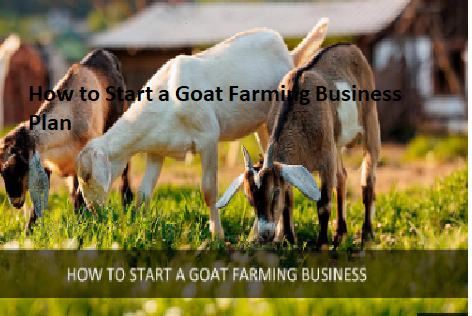
Developing a successful starting goat farming business plan requires a clear understanding of your local market, land requirements, and specific breed selection. Most new farmers underestimate the initial capital needed for secure fencing and basic veterinary infrastructure. By mapping out your production goals before purchasing your first animal, you avoid the most common financial pitfalls that plague small-scale agriculture.
This guide provides the foundational data and strategic steps necessary to build a sustainable operation from the ground up. You will learn how to balance your overhead costs against projected revenue, ensuring your farm remains a viable entity rather than just an expensive hobby.
Initial Capital Requirements and Startup Costs
The cost of entering the goat industry varies significantly depending on your scale and current infrastructure. On average, you should budget between $5,000 and $15,000 to launch a small starter herd of 10 to 15 goats, excluding land costs.
This figure includes shelter construction, essential fencing, basic feeding equipment, and the purchase price of the animals themselves. High-quality, registered breeding stock will command a premium, often ranging from $300 to $800 per head, whereas commercial-grade goats are significantly cheaper.
You must prioritize spending on predator-proof fencing, which remains the single most important investment for any goat farm. Using woven wire or electric netting is necessary to prevent losses from coyotes, stray dogs, or other local predators. A sturdy, five-foot-high perimeter fence costs approximately $2.50 to $5.00 per linear foot installed.
Do not skimp on this, as a single breach can result in the loss of your entire investment. Your business plan must account for this fixed cost during the first quarter of operations.
Veterinary supplies and initial health screenings are also mandatory expenses that many beginners overlook. Expect to pay a local veterinarian for a herd health assessment, vaccinations, and parasite management protocols.
Budget roughly $50 per goat for the first year of medical care and preventative treatments. Maintaining a small emergency fund of $1,000 specifically for livestock health crises is a hallmark of a professional business plan.
Determining Your Land and Space Needs
Goats are browsers rather than grazers, meaning they thrive on brush, weeds, and shrubs more than simple grass. A general rule of thumb is that you can support 6 to 8 adult goats per acre on well-managed pasture.
If your land is sparse or of poor quality, this number drops to 3 or 4 goats per acre to prevent overgrazing. Overgrazed land leads to soil erosion and high parasite loads, which will quickly derail your profit margins.
When you are starting a goat farming business plan, you must calculate your carrying capacity based on the specific forage available on your property. Rotational grazing is the gold standard for maintaining herd health and land productivity.
By dividing your pasture into smaller paddocks, you allow sections to recover while the goats move to fresh forage. This method effectively doubles the utility of your available acreage over time.
For 100 goats, you will realistically need 15 to 25 acres of land to maintain a sustainable, low-input system. If you plan to feed exclusively with stored hay, you can manage more goats on less land, but your overhead costs will skyrocket.
Intensive confinement farming requires expensive infrastructure and constant stall cleaning, which is rarely profitable for beginners. Always prioritize pasture-based systems to keep your input costs low and your goat health high.
Selecting the Right Goat Breeds
Your choice of breed should be dictated by your primary revenue stream: meat, milk, or fiber. Meat goats, such as the Boer or Kiko, are currently in high demand due to rising consumption trends in urban centers.
Boer goats are known for their rapid weight gain, often reaching market weight within 6 to 9 months. They are hardy, but they do require better nutrition than some of the more rugged landrace breeds.
Dairy goats, including Nubians, Alpines, and Saanens, require a much higher commitment of time and labor. You must milk these animals twice daily, which ties you to the farm seven days a week.
However, the value-added potential of goat milk, cheese, and yogurt is significantly higher than that of live meat sales. If you choose this path, your business plan must include the cost of a sanitary, state-certified milking parlor.
Fiber goats, such as Angoras or Cashmere breeds, offer a secondary income stream through the sale of mohair or fine undercoat. These animals are more delicate and require specific shearing schedules and climate protection.
Many farmers find that a cross-bred herd offers the best balance of hardiness and productivity. Consult the United States Department of Agriculture for regional breed performance data before finalizing your purchase decisions.
Financial Projections and Revenue Streams
A realistic financial model for a goat farm must distinguish between cash flow and long-term asset growth. Revenue typically comes from three primary sources: the sale of kids (offspring), the sale of milk or dairy products, and the sale of manure or brush-clearing services. To ensure your business plan remains accurate, you should create a table that tracks these inputs against your anticipated market prices.
| Revenue Source | Average Annual Profit Margin | Market Volatility |
|---|---|---|
| Meat Goat Sales | 15% – 25% | Moderate |
| Raw Milk Sales | 30% – 45% | High (Regulatory) |
| Value-Added Cheese | 50% – 70% | Low |
| Brush Clearing Fees | 20% – 30% | Low |
The margins for value-added products like goat cheese are significantly higher, but they require substantial investment in processing equipment and marketing. Selling live animals at auction is the easiest entry point but offers the lowest profit margins.
You should plan to diversify your income early to insulate the farm from fluctuations in livestock prices. For example, selling fertilizer made from composted goat manure can provide a steady, low-effort cash flow during the off-season.
Regulatory and Zoning Considerations
Every local jurisdiction has specific rules regarding livestock density and agricultural land use. Before buying a single goat, visit your local county extension office to review zoning ordinances.
Some areas have “nuisance” laws concerning noise or odors, especially if your property is near residential developments. Failing to secure the proper permits can result in costly fines or, in extreme cases, a forced liquidation of your herd.
You should also research the specific requirements for selling raw milk or processed dairy products in your state. Many states have strict “cottage food” laws that limit where and how you can sell goat cheese.
If you plan to sell meat, you must ensure you have access to a USDA-inspected processing facility. Small-scale farmers often find that transport costs to distant processing plants can eat up their entire profit margin.
Operational Management and Herd Health
Maintaining a healthy herd is the most effective way to protect your business investment. Parasite resistance is becoming a major issue in the goat industry, making traditional chemical dewormers less effective.
Implementing a FAMACHA scoring system allows you to identify and treat only the animals that truly need it. This reduces your medical costs and prevents the development of drug-resistant parasites on your property.
* Establish a relationship with a large-animal veterinarian before an emergency occurs.
* Keep detailed records of every birth, vaccination, and medical treatment for each goat.
* Store high-quality hay in a dry, rodent-proof environment to prevent mold and spoilage.
* Rotate pastures frequently to break the life cycle of intestinal worms.
* Maintain a clean, dry barn floor to prevent foot rot and respiratory issues.
Consistent record-keeping is the backbone of a professional operation. You should track the feed-to-gain ratio for your meat goats to see which bloodlines are the most efficient.
If a particular doe consistently produces weak kids or has poor mothering instincts, she should be culled from the breeding program. Efficiency in production is what separates a profitable farm from one that constantly loses money.
Marketing Your Goat Products
Direct-to-consumer sales provide the highest possible prices for your products. Farmers’ markets, local food co-ops, and farm-gate sales allow you to build relationships with customers who value local, ethical meat and dairy.
You should develop a simple brand identity and a social media presence to showcase your farm’s practices. People are increasingly willing to pay a premium for goats that are raised on pasture without unnecessary antibiotics.
Consider creating subscription boxes or “herd shares” if you are producing milk or cheese. This model provides you with predictable, recurring revenue, which is essential for managing your monthly cash flow.
If you are selling meat, offer bulk options like “half-goat” packages to families. This reduces the number of individual transactions you need to manage and helps you move inventory faster.
Frequently Asked Questions
Is goat farming profitable for small-scale farmers?
Yes, but it requires careful management of input costs and a focus on high-value products. Most small-scale farms become profitable by selling value-added goods like cheese or by targeting niche markets for grass-fed meat rather than selling to commodity auctions.
How many acres do you need for 100 goats?
You should aim for 15 to 25 acres of well-managed, rotational pasture to support a herd of 100 goats. Providing less space usually forces you to rely heavily on expensive purchased hay, which significantly lowers your profit margins.
What are the biggest risks in a goat business?
The primary risks include predator attacks, internal parasite infestations, and fluctuating feed costs. A sound starting goat farming business plan must include a dedicated budget for secure fencing and a proactive parasite management program to mitigate these threats.
Do I need a special license to sell goat milk?
Most states have very strict regulations regarding the sale of raw milk for human consumption. You must check with your state’s Department of Agriculture to understand the specific testing, labeling, and facility requirements before you attempt to sell any dairy products.
How long does it take for a goat farm to become profitable?
Most operations require 2 to 3 years to reach the break-even point. During the initial period, your capital is tied up in infrastructure, breeding stock, and herd development, meaning your primary focus should be on building a sustainable foundation rather than immediate cash flow.
Conclusion
Starting a goat farming business plan is an exercise in balancing animal husbandry with rigorous financial discipline. You must remain focused on the long-term health of your herd and the efficiency of your land use to ensure sustained success. By prioritizing predator-proof infrastructure, selecting the right breeds for your specific market, and keeping meticulous records, you position your farm to thrive.
Do not rush the planning phase, as the time spent researching local regulations and market demand is the best investment you can make. If you are ready to move forward, begin by visiting your local agricultural extension office to discuss the specific requirements for your region and start building your dream operation today.
