

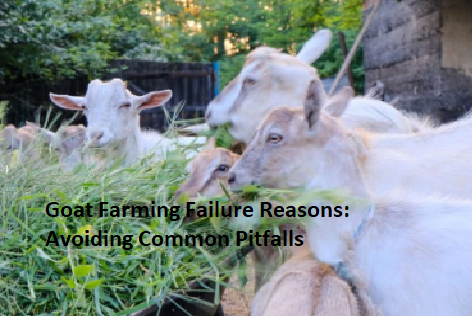
Understanding goat farming failure reasons is essential for anyone looking to transition from a hobbyist to a profitable commercial producer. Most operations collapse within the first three years due to poor financial planning and a lack of veterinary preparedness.
By analyzing these common mistakes, you can avoid the high mortality rates and cash flow crises that force many beginners to liquidate their herds prematurely. This article explores the specific operational, medical, and market-driven factors that contribute to business closures, providing the clarity needed to build a sustainable and resilient agricultural enterprise.
Financial Mismanagement and Capital Burn
Many new farmers underestimate the initial capital requirements, treating goat husbandry as a low-cost venture. This is one of the most common goat farming failure reasons, as unexpected expenses quickly deplete reserves. Without a clear budget, farmers often find themselves unable to afford quality feed or emergency veterinary care during a crisis.
Operating costs for a herd of 50 goats can easily exceed $15,000 in the first year alone. This includes infrastructure, initial stock, and basic medical supplies. If you lack a cash buffer, a single outbreak of disease can lead to total bankruptcy.
Tracking Recurring Expenses
Fixed costs like fencing and housing are only the beginning. You must account for variable costs that fluctuate with the season and market prices. Relying solely on pasture without a supplemental feed budget often leads to nutritional deficiencies.
The Importance of Cash Flow
Revenue from meat or milk is rarely immediate. You might wait six to twelve months before your first significant harvest or kidding season. During this period, your out-of-pocket expenses for hay, minerals, and dewormers continue to accrue daily.
Inadequate Veterinary Protocols
High mortality rates are a primary driver of industry exit. Goats are notoriously sensitive to environmental stressors and parasitic loads. Beginners often fail to implement a strict deworming schedule, leading to massive losses from barber pole worm infections.
According to research from the United States Department of Agriculture, internal parasites are the leading cause of morbidity in small ruminant herds. Ignoring these biological realities is a fast track to liquidation. You must have a working relationship with a large-animal veterinarian before you even purchase your first goat.
Parasite Resistance Challenges
Over-reliance on chemical dewormers has created resistant parasite populations. If you do not perform regular fecal egg counts, you will likely treat your goats with ineffective medication. This leads to stunted growth, weight loss, and eventual death, which ruins your profit margins.
Vaccination and Biosecurity
A failure to vaccinate against enterotoxemia and tetanus is another common error. These diseases are preventable with simple, inexpensive injections. Neglecting these protocols often results in losing your most valuable breeding stock overnight.
Poor Infrastructure and Fencing
Goats are intelligent, agile, and persistent escape artists. If your fencing is substandard, you will spend more time chasing goats than managing your business. Poorly designed facilities also expose your animals to predators, which can wipe out a herd in a single night.
The Cost of Insecure Enclosures
Building cheap, temporary fencing is a false economy. A mature goat can jump over a four-foot fence or squeeze through a six-inch gap in wire. Investing in high-tensile woven wire or electric netting is a necessary expense that prevents long-term asset loss.
Predator Protection
Coyotes, stray dogs, and bobcats are constant threats in many regions. Without a dedicated guardian animal or high-security housing, you are essentially providing a buffet for local wildlife. This is one of the most heartbreaking goat farming failure reasons for new producers.
Nutritional Neglect and Forage Management
Assuming that goats can survive on “scrub” or poor-quality weeds is a dangerous misconception. While they are browsers, they require a balanced diet to maintain health and reproductive capacity. Poor nutrition directly impacts your kidding percentages and milk yield.
The Role of Mineral Supplementation
Goats require specific mineral ratios to prevent deficiencies. Copper, selenium, and zinc are critical for immune function and coat health. If your soil or forage lacks these, you must provide loose minerals to prevent metabolic failure.
Seasonal Forage Planning
Pasture management requires rotational grazing to break the parasite life cycle. If you keep goats on the same small paddock, they will graze the grass down to the dirt. This forces them to eat near the ground, where parasite larvae thrive, leading to rapid health declines.
Market Miscalculation and Sales Strategy
Many producers raise goats without a clear understanding of their target market. If you don’t know who is buying your product, you will struggle to move inventory when your herd reaches maturity. This leads to overstocking, which further strains your resources.
Understanding Local Demand
Some markets prioritize heavy meat goats, while others focus on dairy products or fiber. If you produce a heavy-muscled breed for a dairy-focused market, you will struggle to find buyers. You must research your local auction houses and private sale channels before you begin breeding.
The Economics of Direct Sales
Selling through auction barns often results in lower prices due to commission fees and market volatility. Developing a direct-to-consumer sales strategy for meat or milk can significantly increase your margins. However, this requires additional effort in marketing and regulatory compliance.
The Hidden Costs of Herd Expansion
Rapidly scaling your herd is a classic trap that leads to operational collapse. When you buy too many animals too quickly, you lose the ability to provide individual care. This lack of oversight often leads to a decline in herd health that is difficult to reverse.
Scaling and Labor Requirements
A small herd of five goats is easy to manage by yourself. A herd of 50 requires a significant time commitment for feeding, cleaning, and medical monitoring. If you do not have the labor to support your expansion, your management quality will plummet.
Quality Over Quantity
Focusing on the number of goats rather than the quality of the genetics is a mistake. A small, high-producing herd is almost always more profitable than a large, unhealthy one. Cull your poor performers early to save on feed and medical costs.
Comparing Profitability Factors
To understand the financial risks, look at how different management styles impact your bottom line. The table below outlines how operational choices influence your potential for success or failure.
| Management Factor | High-Risk Approach | Sustainable Approach |
|---|---|---|
| Parasite Control | Reactive treatment | Proactive fecal testing |
| Herd Size | Rapid, unfunded growth | Measured, incremental scaling |
| Sales Channel | Auction barn only | Direct-to-consumer/Niche |
| Infrastructure | Budget wire fencing | High-tensile woven wire |
Key Success Factors
If you want to avoid becoming a statistic, you need to focus on specific operational habits. Success in this industry is rarely about luck; it is about rigorous attention to detail and consistent management.
- Maintain a strict fecal egg count program to manage internal parasites.
- Ensure all breeding stock has known genetic performance records.
- Create a 12-month cash flow projection before purchasing your first animal.
- Invest in predator-proof fencing as your first priority.
- Establish a veterinary relationship for emergency medical consultations.
Frequently Asked Questions
Why do most new goat farmers quit within the first three years?
The primary cause is the combination of unexpected veterinary costs and the realization that the profit margins are thinner than anticipated. Many beginners are unprepared for the high intensity of daily labor and the suddenness of disease outbreaks.
What is the most difficult aspect of raising goats?
Managing internal parasites is widely considered the most challenging task. Because of drug resistance, you cannot simply rely on medicine; you must integrate pasture management and genetic selection to keep the herd healthy.
How do I know if my goat herd is profitable?
You must track every dollar spent on feed, medicine, and infrastructure against your revenue from sales. If your cost per head exceeds the market price of the animal, you are effectively paying for the privilege of keeping them.
What should I do if my goats are constantly sick?
Stop expanding immediately and focus on the health of the existing animals. Consult a veterinarian to perform a herd health audit, which should include checking for common diseases like Caseous Lymphadenitis or Caprine Arthritis Encephalitis.
Is it possible to raise goats without a large budget?
It is possible, but it requires significantly more physical labor and time. You will need to build your own infrastructure and spend more time on intensive pasture management to keep costs low.
Conclusion
Avoiding the common goat farming failure reasons requires a transition from emotional attachment to objective business management. You must view your herd as a set of assets that require protection, consistent nutrition, and careful medical oversight. Start small, prioritize the health of your initial stock, and document every expense to ensure your operation remains viable.
By focusing on sustainable growth and proactive parasite management, you can build a productive enterprise that survives the volatile early years. If you approach this field with discipline and a willingness to learn from technical data, you will be well-positioned for long-term success in the livestock industry.
