

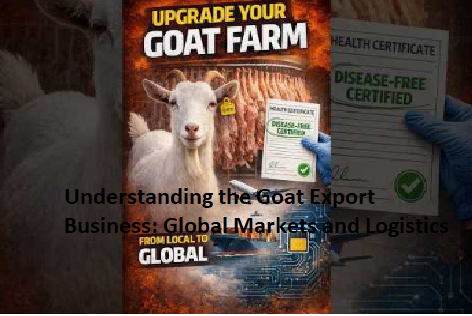
Entering the goat export business requires a deep understanding of international trade regulations, animal welfare standards, and specific market demands across different continents. Because demand for high-quality goat meat and live animals continues to rise in regions like the Middle East and Southeast Asia, producers are increasingly looking toward global distribution. This sector relies heavily on precise logistics and strict adherence to sanitary protocols to ensure profitability and regulatory compliance.
By mastering the nuances of supply chain management and biosecurity, exporters can tap into lucrative opportunities that bridge the gap between local production and international consumption. Understanding these core requirements is the first step toward building a sustainable operation in this challenging yet rewarding agricultural niche.
The profitability of a goat export business depends entirely on market access, breed selection, and transportation efficiency. Producers typically see profit margins fluctuate based on the destination country’s specific import tariffs and religious certification requirements, such as Halal or Kosher status. For live animal exports, the cost of air freight or sea transport often accounts for 30% to 50% of the total overhead.
When exporting meat, the cold chain logistics—maintaining a consistent temperature from slaughterhouse to final destination—become the primary driver of operational costs. Successful businesses often focus on niche markets, such as supplying high-demand holiday periods or specific ethnic markets that prioritize quality and traceability over low-cost commodity pricing.
Global Market Demand and Regional Trends
International demand for goat products is heavily influenced by cultural and religious consumption patterns. The Middle East remains the largest importer of live goats, particularly during the Hajj and Eid al-Adha festivals, where demand for healthy, disease-free animals spikes significantly.
In contrast, European and North American markets often focus on niche goat meat cuts, which are increasingly sought after by health-conscious consumers looking for lean, high-protein red meat alternatives. Identifying these regional preferences is essential for tailoring your production cycle to match seasonal demand peaks.
Regulatory Frameworks and Biosecurity
Strict adherence to international veterinary standards is non-negotiable in the goat export business. Every shipment must be accompanied by a health certificate issued by a government-authorized veterinarian, verifying that the animals are free from specific diseases like Peste des Petits Ruminants (PPR) or foot-and-mouth disease.
Importing nations often require a period of pre-export quarantine, which can last anywhere from 14 to 30 days, to ensure the livestock remains healthy before boarding. Failure to meet these biosecurity protocols can lead to the rejection of an entire shipment, resulting in substantial financial losses and potential blacklisting by customs authorities.
Logistics and Transportation Strategies
Transporting live goats over long distances requires specialized infrastructure to minimize stress and mortality rates. Most exporters utilize pressurized aircraft or modified shipping containers designed for livestock, which include automated feeding and watering systems.
Proper ventilation is critical, as overcrowding can lead to respiratory issues and a rapid decline in the animal’s physical condition. Companies that invest in climate-controlled transport often secure higher prices because the livestock arrives in peak condition, reducing the need for lengthy post-arrival recovery periods.
Economic Comparison of Export Models
The choice between exporting live animals versus processed meat is a major strategic decision. Live exports provide a higher volume of trade but come with significant risks related to animal welfare and high transit costs.
Meat exports require investment in certified slaughterhouses that meet international standards, but they provide longer shelf life and lower shipping volumes per unit of value. The table below illustrates the typical differences between these two primary business models.
| Factor | Live Goat Export | Goat Meat Export |
|---|---|---|
| Shipping Cost | High (requires specialized space) | Moderate (requires cold chain) |
| Regulatory Burden | Extreme (quarantine/welfare laws) | High (food safety/processing standards) |
| Shelf Life | Not applicable | Limited (fresh) to long (frozen) |
| Market Target | Religious festivals/Breeding | Retail/Restaurant supply chains |
Key Operational Milestones
Building a successful operation requires hitting specific benchmarks that ensure long-term viability. You must first secure a reliable supply chain of high-quality livestock, which often involves working directly with local farmers to ensure consistency in genetics and health.
Establishing relationships with international brokers or direct buyers is the next step, as these individuals provide the necessary market intelligence to navigate foreign trade barriers. Finally, obtaining the relevant export licenses and insurance coverage protects your capital against unforeseen events, such as flight cancellations or trade disputes.
Essential Equipment and Infrastructure
Operating a professional export business requires more than just access to animals. You need a holding facility that meets international animal welfare standards, including proper flooring, drainage, and waste management systems.
Many exporters find it useful to consult the guidelines provided by the World Organisation for Animal Health to ensure their facilities comply with global best practices. Additionally, your inventory management software must be able to track every animal’s history, vaccination records, and age to satisfy the rigorous documentation required by importing countries.
Risk Management and Financial Planning
Exporting involves significant financial risk, particularly regarding currency fluctuations and shipping delays. Most successful businesses mitigate these risks by using forward contracts to lock in prices and currency exchange rates before the shipment departs.
It is also vital to maintain a cash reserve that covers at least three months of operational costs to weather unexpected market downturns or regulatory delays. Diversifying your buyer base across multiple countries can also prevent total revenue loss if one specific market closes its borders due to disease outbreaks.
Essential Checklist for New Exporters
Getting started requires a structured approach to ensure no detail is overlooked during the licensing and logistical planning phase. Below are the core items that every new exporter should have in place before attempting their first international shipment.
- Valid export license issued by your national agricultural department.
- Comprehensive health certificates endorsed by an official state veterinarian.
- Verified contracts with international buyers specifying payment terms and delivery windows.
- Specialized insurance policies covering transit mortality and cargo loss.
- Logistics partners experienced in handling live animal transport or refrigerated cold chains.
- A robust traceability system to record the origin and vaccination history of every animal.
Frequently Asked Questions
Is the goat export business profitable?
Profitability is achievable but requires significant scale and strict management of logistics. Margins are often slim due to high transport and regulatory costs, so success usually favors those who can secure high-value markets or streamline their supply chain to reduce mortality and waste.
Which countries are the largest importers?
The Middle East, particularly Saudi Arabia and the United Arab Emirates, remains the primary destination for live goat imports. Other significant markets include countries in Southeast Asia and parts of the Caribbean, where local demand consistently exceeds domestic supply.
What is the biggest risk for exporters?
The biggest risks are sudden changes in import regulations and disease outbreaks that lead to trade bans. Additionally, high mortality rates during long-distance transit can wipe out the profit margins of an entire shipment if not managed with proper veterinary care.
How much space is needed for 100 goats?
While space requirements vary by breed and housing type, you generally need at least 15 to 20 square feet per animal in an indoor facility. For outdoor grazing, the requirement increases significantly to ensure the land does not become overgrazed and to prevent parasite buildup.
Do I need a special license to export goats?
Yes, you will need specific agricultural export permits and, in many cases, an animal health export certificate. These are provided by your national ministry of agriculture or a similar regulatory body, and you must adhere to the specific sanitary requirements of the destination country.
Conclusion
Establishing a footprint in the goat export business is a complex endeavor that rewards those who prioritize biosecurity, logistical precision, and market research. While the barriers to entry are high due to strict international regulations, the sustained demand for high-quality goat products offers a clear path to growth for dedicated operators. By focusing on building strong relationships with international buyers and maintaining a rigorous standard for animal health, you can build a resilient operation.
Start by identifying your target market, securing the necessary government certifications, and establishing a reliable transportation network. With careful planning and consistent execution, you can navigate the complexities of this global industry and build a sustainable trade business.
