

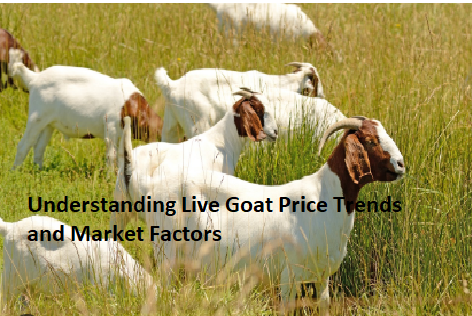
Researching the current live goat price helps prospective owners and livestock producers anticipate expenses before entering the market. Costs vary significantly depending on the animal’s breed, age, weight, and intended purpose, such as meat production or companionship. Understanding these variables allows you to plan your budget effectively and avoid overpaying for livestock.
Whether you are looking for a dairy goat, a meat breed, or a pet, the market fluctuates based on seasonal demand and local supply chains. This article provides a breakdown of what you can expect to pay and the factors that influence these costs across different regions.
Current Market Rates for Goats
The average live goat price typically ranges from $150 to $400 for a healthy, standard-breed animal. Younger kids intended for future breeding or meat can often be found for as low as $100 to $150, while mature, registered breeding stock often commands prices exceeding $600.
Regional disparities play a massive role in these figures, as areas with high goat-rearing populations often see lower prices due to increased supply. Conversely, in urban-adjacent areas, the scarcity of breeders can drive the cost of a live goat significantly higher.
Weight is a primary metric used in livestock auctions and private sales, often calculated at a rate per pound. In many commercial settings, you might see a live goat price per pound ranging between $2.50 and $4.00, depending on the quality of the animal. This method is most common when purchasing goats for meat, as it provides a clear baseline for the value of the final product.
Always ask the seller if they are charging a flat rate per head or a specific price based on the animal’s weight to ensure you are comparing apples to apples.
Breed Impact on Pricing
The breed of the goat is perhaps the most significant factor influencing the final sale price. Dairy breeds like Nubians, Saanens, or Alpines are often priced higher because they are considered productive assets that provide milk.
A high-quality, registered dairy goat with good lineage can easily cost $500 to $800 or more. If you are buying a goat specifically for its milk production, paying a premium for a proven milker is usually a sound investment compared to buying a cheaper, unproven animal.
Meat breeds, such as Boer goats, are highly sought after for their rapid growth rates and dense muscle mass. A purebred Boer goat with show-quality genetics can cost well over $1,000, whereas a commercial-grade Boer cross might be priced closer to $200 to $300. These animals are valued for their efficiency in converting feed into body weight, which directly affects the profitability of a meat-focused operation.
If your goal is to raise goats for meat, the initial higher cost of a superior breed often pays for itself through better feed conversion ratios.
Age and Health Considerations
Age is a major determinant in the valuation of any livestock animal. Weanlings, which are typically between 3 and 6 months old, are the most common age for new owners to purchase.
They are easier to train and socialize but still require significant care to reach maturity. A healthy weanling usually falls on the lower end of the pricing spectrum, making them an attractive option for beginners who want to build their herd over time.
Mature goats, especially those that have already proven their ability to breed or produce milk, carry a higher price tag. You are essentially paying for the time the previous owner invested in raising the animal to adulthood. When evaluating a goat, always check for signs of health, such as a clear coat, bright eyes, and a steady gait.
A cheaper goat that requires expensive veterinary care quickly becomes a poor investment, so prioritize health records and parasite management history over the lowest possible sticker price.
Regional Variations and Availability
The live goat price often shifts based on your geographical proximity to major livestock hubs. In regions like the Southern United States, where goat farming is more prevalent, you will find a wider selection and more competitive pricing.
In contrast, if you live in a region where goats are rare, you may have to pay a premium to have an animal transported to you. This transport cost is often overlooked by first-time buyers but can add significant overhead to your initial investment.
Local auctions provide a transparent look at the current market value in your immediate area. By attending a few sales, you can observe the bidding patterns and see what buyers are actually willing to pay for different types of goats. Keep in mind that auction prices are volatile and can change rapidly depending on how many buyers are in the room on a specific day.
If you prefer a more stable price, buying directly from a reputable breeder is usually the better route, though it often comes with a higher base cost than an auction.
Estimated Price Comparison Table
The following table outlines the general price expectations based on the intended use and quality of the goat. These figures represent average market conditions and can fluctuate based on seasonal demand.
| Goat Category | Estimated Price Range | Primary Value Driver |
|---|---|---|
| Commercial Meat Goat (Weanling) | $125 – $225 | Weight and growth potential |
| Registered Dairy Doe (Proven) | $450 – $850 | Milk yield and lineage |
| Purebred Boer (Breeding Stock) | $600 – $1,200+ | Genetics and conformation |
| Pet/Companion Wether | $100 – $250 | Temperament and health |
Factors Affecting Ongoing Ownership Costs
Beyond the initial purchase price, you must consider the ongoing costs of keeping a goat. Food, shelter, and medical care are the primary recurring expenses that every owner must budget for. Hay and grain costs can vary significantly depending on local availability and the time of year. During winter months, when pasture growth is dormant, your feed costs will likely increase as you rely more heavily on stored forage.
Veterinary care is another essential, yet often variable, expense. Routine hoof trimming, vaccinations, and parasite control are non-negotiable aspects of goat ownership. It is highly recommended to consult the USDA Animal and Plant Health Inspection Service for guidelines on maintaining herd health and preventing disease.
Having an emergency fund for unexpected medical issues is a smart practice, as emergency calls to a large-animal veterinarian can quickly exceed the cost of the animal itself.
Where to Source Your Goats
Finding the right seller is just as important as finding the right price. Local 4-H clubs and agricultural extension offices are excellent resources for finding reputable breeders in your community.
These organizations often maintain lists of members who sell high-quality livestock. Buying from a known entity within your community provides a level of accountability that you simply cannot get when purchasing from an anonymous online classified ad.
Online marketplaces like Craigslist or Facebook groups can be convenient, but they require extra caution. You should always insist on seeing the animal in person before exchanging any money. Ask the seller for health certificates and any available medical records to verify that the animal has been properly cared for.
If a price seems too good to be true, it often is, and it may be a sign of underlying health issues or poor breeding practices.
Essential Items for New Goat Owners
To get started, you will need more than just the goat itself. Your initial setup should include the following items to ensure the safety and well-being of your new livestock:
- Sturdy, goat-proof fencing to prevent wandering and protect against predators.
- A dry, draft-free shelter that provides adequate protection from harsh weather.
- High-quality mineral blocks designed specifically for goats.
- Appropriate feeding and watering troughs that are easy to clean.
- Basic grooming tools, including hoof trimmers and stiff brushes.
- A basic medical kit containing antiseptic, bandages, and thermometer.
Frequently Asked Questions
Is a goat an expensive pet to maintain?
While the upfront purchase cost might seem manageable, the ongoing costs for feed, bedding, and specialized veterinary care can add up. Goats are herd animals, meaning you generally need to own at least two, which doubles your maintenance expenses.
Can I legally own a pet goat in my area?
Many municipalities have specific zoning laws regarding livestock, even for small-scale hobby farming. You should always check with your local town or county clerk to confirm that you are permitted to keep goats on your property before making a purchase.
Does the price of a goat change by season?
Yes, prices often fluctuate based on the breeding and kidding season. Prices for kids are often higher in the spring when demand for starting a herd is at its peak, whereas prices for older stock may stabilize during the winter months.
Should I buy a male or female goat?
The choice depends entirely on your goals. Dairy producers almost exclusively keep females (does) for milk, while owners interested in meat production may focus on males (bucks or wethers). If you are looking for a pet, wethers (neutered males) are generally recommended for their calmer temperament.
How much should I budget for a first-time goat purchase?
Aside from the cost of the animal, you should budget at least $500 to $1,000 for initial setup costs. This covers fencing, shelter construction, and the first few months of feed and veterinary supplies.
Final Perspectives on Goat Ownership
Investing in goats requires a clear understanding of both the initial purchase price and the long-term commitment involved in their care. By researching the average live goat price and understanding the factors that influence these costs, you can make an informed decision that suits your budget and your goals. Focus on finding healthy animals from reputable sources, and always prioritize the welfare of the goats over finding the cheapest option. With proper planning and consistent management, raising goats can be a rewarding experience that provides both companionship and agricultural utility. If you are prepared for the work, the investment in time and money often yields significant value over the life of the animal.
