

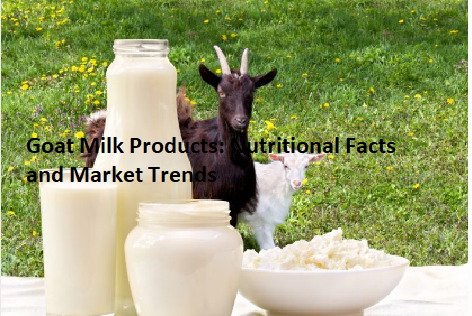
Goat milk products have become a staple in many households due to their unique nutritional profile and digestibility. Whether you are looking for alternatives to cow’s milk or specific skincare solutions, understanding how these items differ from standard dairy is essential for making informed choices.
The primary reason consumers choose goat milk products is their chemical composition, which closely mimics human milk in certain respects. Specifically, the fat globules in goat milk are significantly smaller than those found in cow’s milk, which allows for easier absorption by the human digestive system.
This makes goat milk a popular choice for individuals who experience mild lactose intolerance or bloating when consuming traditional dairy. Additionally, the protein structure of goat milk contains a higher proportion of A2 beta-casein, which is often associated with reduced inflammation in sensitive individuals.
Nutritional Comparison of Dairy Varieties
| Nutrient per Cup | Goat Milk | Cow Milk |
|---|---|---|
| Calories | 168 | 149 |
| Protein | 9g | 8g |
| Calcium | 330mg | 276mg |
| Vitamin A | 483 IU | 395 IU |
Health Benefits and Digestion
Many people turn to goat milk products because they perceive them as being closer to the natural human digestive threshold. While goat milk does contain lactose, the lower concentration of alpha-S1-casein protein means the curd formed in the stomach is softer and more porous. This physical property allows digestive enzymes to break down the proteins much faster.
Research conducted by the United States Department of Agriculture indicates that the mineral bioavailability in goat-derived dairy is superior to cow milk. Specifically, the higher levels of calcium, magnesium, and phosphorus contribute to improved bone density in populations that consume these products regularly. Because the fat molecules are smaller, they also require less bile for emulsification.
Common Goat Milk Products Available
The market for these goods has expanded far beyond simple liquid milk. Today, you can find a wide array of products ranging from artisanal cheeses to specialized infant formulas. Many producers focus on small-batch processing to ensure the delicate flavor profile of the milk remains intact.
* Goat Cheese (Chèvre): Ranges from fresh, spreadable logs to aged, firm varieties.
* Goat Milk Soap: Highly prized for its high lactic acid content and moisturizing fats.
* Goat Milk Yogurt: Often thicker and tangier than cow milk versions, providing a probiotic boost.
* Infant Formula: Frequently used for babies who struggle with standard dairy-based formulas.
* Goat Milk Butter: Known for its pale color and spreadable texture even at room temperature.
Skincare Applications
Goat milk products are increasingly common in the beauty industry, particularly in soaps and lotions. The natural presence of lactic acid acts as a gentle exfoliant, helping to remove dead skin cells and promote a smoother complexion. Unlike synthetic exfoliating agents, lactic acid provides a hydrating effect while it cleanses.
The high concentration of vitamins, particularly Vitamin A, aids in the repair of damaged skin tissue. Vitamin A is a key component in retinoids, which are widely studied for their ability to reduce fine lines and acne. Because the pH level of goat milk is very close to human skin, it does not strip away natural oils during the washing process.
Culinary Uses and Flavor Profiles
Cooking with goat milk products requires a slight adjustment in technique compared to using cow milk. Because goat milk has a distinct, earthy, and sometimes tangy flavor, it pairs exceptionally well with strong herbs like rosemary and thyme. It is also an excellent base for savory sauces and creamy soups.
When baking, goat milk can provide a unique richness to cakes and muffins. Because it has a higher fat content than skim or low-fat cow milk, it often results in a moister crumb. Chefs often use goat milk butter for pastry crusts because the fat composition creates a flakier texture that is highly sought after in professional kitchens.
Global Market Trends
The global demand for goat milk products has seen steady growth over the last decade. As consumers become more conscious of food sourcing and digestive health, they are looking for alternatives to mass-produced dairy. This shift has led to the rise of boutique farms that prioritize animal welfare and traditional processing methods.
Urban markets, in particular, have seen a surge in the availability of fresh goat milk. While once considered a niche item found only in specialty shops, it is now a standard shelf item in most large grocery chains. This accessibility has helped move goat milk from a regional staple to a mainstream nutritional choice.
Production and Sustainability
Goat farming is often more sustainable than traditional cattle ranching due to the smaller environmental footprint of the animals. Goats require less land and water to produce the same volume of milk compared to cows. Their foraging habits also make them more efficient at maintaining pasture health, provided the grazing is managed correctly.
Small-scale production allows for better quality control and animal care. Farmers who focus on high-quality milk production often emphasize the diet of the goats, as their intake directly influences the flavor of the final product. A diet rich in high-quality forage often leads to a sweeter, less “goaty” taste in the milk.
Safety and Quality Standards
Buying high-quality goat milk products requires attention to labels and sourcing. Like all dairy, pasteurization is the standard for safety in most countries. Pasteurization kills harmful bacteria without significantly altering the nutritional profile of the fat or protein content.
Consumers should look for certifications that indicate the milk was sourced from healthy, well-treated herds. In some regions, organic labeling on goat dairy implies that the goats were not treated with synthetic hormones or antibiotics. Always check the expiration dates, as fresh goat milk products can have a shorter shelf life than highly processed alternatives.
Frequently Asked Questions
Is goat milk better than cow milk?
It depends on your nutritional goals. Goat milk is generally easier to digest due to smaller fat globules and a different protein structure, making it a better choice for those with sensitive stomachs.
Can I use goat milk for baking?
Yes, you can substitute goat milk for cow milk in a one-to-one ratio for most recipes. Keep in mind that it adds a slight tanginess and extra richness to your final product.
Why is goat milk soap better for sensitive skin?
The natural lactic acid in the milk helps exfoliate gently, while the high fat content provides deep hydration. It is less likely to disrupt the natural pH of your skin than harsh synthetic soaps.
Does goat milk contain lactose?
Yes, it does contain lactose, though typically in slightly lower amounts than cow milk. If you have a severe lactose allergy, you should consult a doctor before making the switch.
What defines the taste of goat milk?
The characteristic “goaty” flavor is often caused by the presence of short-chain fatty acids. This flavor can be minimized by proper handling, cooling, and ensuring the goats are fed a high-quality, clean diet.
Final Thoughts on Goat Milk Products
Incorporating goat milk products into your diet or skincare routine offers a unique opportunity to benefit from a highly digestible and nutrient-dense source. Whether you are seeking relief from digestive discomfort or looking for natural ways to improve skin health, the versatility of these items makes them a valuable addition to any home. By choosing high-quality sources and paying attention to production standards, you ensure that you are getting the most out of every purchase.
Start by experimenting with small amounts of goat cheese or incorporating a bar of goat milk soap into your daily routine to see how your body responds to the difference. Exploring the world of dairy beyond the standard cow’s milk aisle provides a wider range of flavors and potential health benefits for the modern consumer.
