

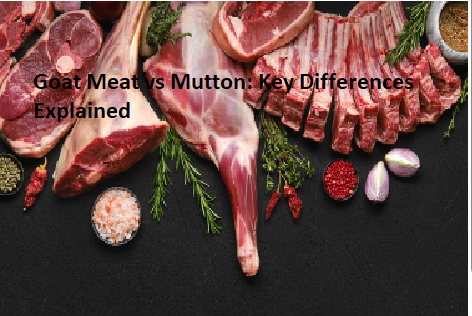
Choosing between goat meat vs mutton often creates confusion for home cooks and restaurant diners alike. While these two red meats share superficial similarities in appearance and culinary application, they originate from different animals and offer distinct nutritional and flavor profiles.
Goat meat comes from the caprine family, while mutton specifically refers to the meat of an adult sheep. Understanding these differences allows you to select the right protein for your specific recipe, whether you are preparing a slow-cooked stew or a quick-seared chop.
The primary difference between goat meat vs mutton lies in the source animal and the maturity of the meat. Goat meat, often called chevon or cabrito when young, is a lean, red meat harvested from the goat species Capra hircus. Mutton is the mature flesh of a sheep, typically an animal older than one year, which differentiates it from lamb.
While both are ruminants, their metabolic processes and dietary habits result in significant variations in fat distribution and taste. Goat meat is generally leaner and higher in protein, whereas mutton possesses a higher fat content that contributes to its signature robust flavor.
Nutritional Comparisons of Red Meats
When analyzing goat meat vs mutton from a nutritional standpoint, the differences are quite distinct. Goat meat is widely recognized for having a lower caloric density and significantly less saturated fat compared to mutton.
Because goats are browsers that prefer shrubs and leaves, their meat tends to be leaner than that of sheep, which are grazers. This makes goat meat a preferred choice for individuals monitoring their cholesterol levels while still wanting to consume red meat.
Mutton, being the meat of an older sheep, carries a higher level of intramuscular fat, known as marbling. This fat provides the meat with a richer, more buttery texture that many traditional cuisines favor for slow-cooking applications.
However, this increased fat content also means that mutton is higher in calories and saturated fats per gram than equivalent cuts of goat. For those prioritizing heart health, the leaner profile of goat meat often wins out in direct nutritional comparisons.
| Nutrient (per 100g) | Goat Meat | Mutton |
|---|---|---|
| Calories | ~109 kcal | ~250-300 kcal |
| Total Fat | ~2.6g | ~20-25g |
| Protein | ~20g | ~18-20g |
| Iron | ~3.7mg | ~2.5mg |
Flavor Profiles and Culinary Applications
The flavor of goat meat is often described as earthy and slightly gamey, though it is generally milder than mutton. Because it is so lean, goat meat requires careful preparation to avoid drying out during the cooking process.
Chefs often marinate goat meat in acidic bases like yogurt or vinegar to break down the connective tissue and tenderize the muscle fibers. It is a staple in Caribbean, Middle Eastern, and Indian cuisines, where it is frequently used in curries and braised dishes.
Mutton is famous for its intense, savory flavor profile, which deepens as the animal ages. This richness makes it an ideal candidate for long, slow-cooking methods such as braising, stewing, or roasting.
The fat in mutton renders down during these long cooking sessions, infusing the surrounding vegetables and liquids with a distinct, deep umami quality. In traditional British and Australian cooking, mutton is a prized ingredient for hearty pot pies and shepherd’s pies, where the meat’s strong character can stand up to heavy seasoning.
Understanding Animal Maturity and Classification
Distinguishing between types of livestock is essential for understanding the variations in the final product on your plate. Goat meat is categorized by age, with “cabrito” referring to very young, milk-fed goats and “chevon” referring to older goats.
The younger the animal, the more tender the meat, though it lacks the depth of flavor found in older specimens. This grading system ensures that consumers know exactly what texture and flavor intensity to expect before they begin cooking.
Mutton is strictly defined by age, as opposed to lamb, which comes from a sheep under one year old. As a sheep reaches maturity, its muscle fibers become tougher and its fat develops a more pronounced, “sheepy” aroma.
This specific characteristic is what separates mutton from lamb, which has a much milder taste and softer texture. Many cultures value this maturity because it indicates a more developed, complex flavor that younger animals simply cannot replicate.
Global Cultural Significance
Goat meat holds a central place in many global food cultures, particularly across Africa, Asia, and the Caribbean. It is often considered a celebratory meat, frequently served during festivals and family gatherings due to its versatility and accessibility.
In many of these regions, goat is the preferred source of red meat, outperforming beef or mutton in total consumption volume. Its ability to thrive in harsh, mountainous environments makes it a vital resource for rural communities.
Mutton, conversely, has a storied history in European and Central Asian diets. It was historically a primary source of protein for shepherds and rural laborers who relied on their flocks for both wool and sustenance.
In regions like Wales or the mountainous areas of India and Pakistan, mutton dishes are deeply embedded in the culinary heritage. These dishes often emphasize long-simmering techniques that turn the tougher, flavorful cuts into succulent, tender meals that serve as the foundation of the local diet.
Common Culinary Challenges
Cooking goat meat effectively requires an understanding of its low fat content. If you treat a lean cut of goat like a fatty cut of beef, the result will likely be tough and dry.
The best approach is to use wet-heat cooking methods like braising or stewing, which allow the collagen to dissolve into gelatin. This process keeps the meat moist while simultaneously building a rich, flavorful sauce that highlights the meat’s natural characteristics.
The main challenge with mutton is managing its strong, distinctive aroma and fat content. Some diners find the flavor of mutton overwhelming, especially when the fat is not rendered properly during the cooking process.
To mitigate this, many chefs trim the excess fat before cooking or use strong aromatics like garlic, ginger, rosemary, and cumin. These spices complement the richness of the mutton rather than masking it, creating a balanced dish that retains the essence of the meat.
Identifying Quality in the Marketplace
When purchasing meat, identifying the difference between goat meat vs mutton involves inspecting the color and the fat. Goat meat typically has a lighter red color and very little external fat, while mutton appears darker red and often features a thick, creamy-white layer of fat.
If you are shopping at a local butcher, do not hesitate to ask about the animal’s age and origin. A reputable butcher will be able to confirm whether the product is indeed goat or if it is mutton from an older sheep.
Proper labeling is also a key indicator of quality. In some markets, meat is labeled generically as “red meat,” which makes it difficult to distinguish the species.
Always look for specific identifiers on the packaging, such as the age of the animal and the specific cut. For a deeper look into the nutritional benefits of different red meats, you can consult the official resources provided by Nutrition.gov to see how various proteins fit into a balanced dietary plan.
Frequently Asked Questions
Are goat and mutton the same animal?
No, they are different species. Goats belong to the Capra genus, while sheep, from which mutton is derived, belong to the Ovis genus. They have different dietary habits and physiological characteristics that result in different meat qualities.
What is the main taste difference between the two?
Goat meat has a clean, earthy, and slightly sweet flavor, whereas mutton has a much stronger, gamey, and richer taste. The fat in mutton provides a heavy, savory mouthfeel that is absent in the much leaner goat meat.
Why is mutton often considered tougher than goat?
Mutton comes from older sheep, meaning the animal has had more time to develop connective tissue and muscle density. While this provides more flavor, it requires longer cooking times at lower temperatures to achieve a tender texture.
Which is healthier for a low-fat diet?
Goat meat is generally the better choice for a low-fat diet. It contains significantly less saturated fat and fewer calories per serving than mutton, making it a popular lean protein alternative to beef or lamb.
What are common names for these meats in different regions?
In the United States, goat meat is sometimes called chevon or cabrito. In India, both goat and mutton are often referred to as “mutton” in common parlance, which can lead to significant confusion. Always clarify with your butcher or server about the specific animal you are purchasing.
Final Thoughts on Meat Selection
Choosing between goat meat vs mutton depends entirely on your recipe and your personal flavor preferences. If you are looking for a lean, versatile protein that works well in a variety of curries and stews, goat meat is an excellent, health-conscious choice. When you want a deep, robust, and savory flavor profile that stands up to heavy seasoning and long, slow cooking, mutton is the superior option.
Ultimately, both meats offer unique culinary experiences that have sustained cultures for centuries. By understanding the physical and nutritional differences between the two, you can make informed decisions at the butcher shop.
Experimenting with both proteins will undoubtedly expand your cooking repertoire and help you appreciate the distinct qualities each brings to the table. Whether you prefer the lean, earthy profile of goat or the rich, intense flavor of mutton, both are valuable additions to any well-rounded diet.
