

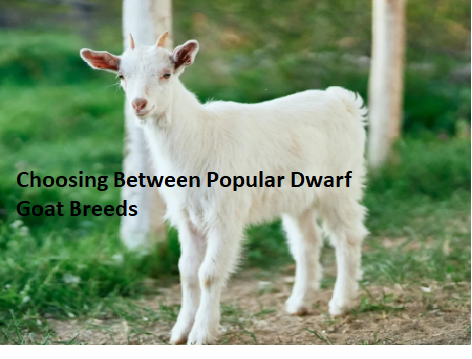
Selecting the right animal for a small homestead often begins with researching various dwarf goat breeds to understand their specific temperaments and care requirements. These compact animals have gained immense popularity because they require less space, consume less feed, and are generally easier to handle than their full-sized dairy or meat counterparts.
Whether you are looking for a gentle companion for children, a consistent source of rich milk, or simply a charming addition to your backyard, identifying the unique characteristics of each breed is essential. This article provides a detailed breakdown of the most common miniature goat varieties to help you make an informed decision for your own property.
Small-statured goats typically fall into two primary categories: the Nigerian Dwarf and the African Pygmy. The Nigerian Dwarf is widely considered the best choice for those seeking a high-quality dairy animal on a small scale, as they are capable of producing a surprising amount of milk with a high butterfat content. In contrast, the African Pygmy is primarily kept for companionship and exhibition purposes due to its stocky, cobby build and friendly personality.
While both are technically dwarf goat breeds, their physiological structures and intended uses differ significantly. Most adult Nigerian Dwarfs stand between 17 and 21 inches at the withers, whereas Pygmies are often slightly shorter but much broader and heavier in the chest and shoulders.
Understanding the specific traits of these animals helps prospective owners manage expectations regarding housing, fencing, and daily maintenance. Because these animals are highly social, you should never keep just one; they require the company of at least one other goat to remain healthy and stress-free.
Proper fencing is another critical consideration, as these agile creatures are notorious for testing boundaries and can easily squeeze through gaps that would stop a larger animal. By learning about the growth patterns and dietary needs of different dwarf goat breeds, you can create a sustainable environment that keeps your herd thriving for years.
The Nigerian Dwarf: A Powerhouse for Small-Scale Dairy
The Nigerian Dwarf is arguably the most versatile of the small goat varieties, prized for its ability to produce rich, creamy milk. These animals were originally imported from West Africa, though selective breeding in the United States has refined them into a distinct dairy breed.
An average doe can produce between one and two quarts of milk daily, which is remarkable given her petite frame. The butterfat content in their milk is often between 6% and 10%, making it ideal for crafting high-quality cheeses, yogurt, and even soap.
Beyond their dairy capabilities, Nigerian Dwarfs are known for their gentle and inquisitive nature. They bond closely with their human caretakers, often following them around the pasture like loyal dogs.
This temperament makes them excellent choices for families with children who want to get involved in animal husbandry. Because they are intelligent, they can be trained to walk on a lead or even perform simple tricks, adding a layer of enjoyment to the daily chore of milking.
When maintaining this breed, you must prioritize their nutritional needs to support consistent milk production. While they are efficient eaters, they require high-quality hay and access to minerals specifically formulated for goats to prevent deficiencies.
They are also prone to obesity if allowed to overeat on grain, so a controlled diet is necessary. Providing a clean, dry shelter that protects them from drafts and dampness is vital, as they are susceptible to respiratory issues if kept in poorly ventilated or wet conditions.
The African Pygmy: Compact Companions for the Hobby Farm
The African Pygmy stands out among dwarf goat breeds as a robust, hardy animal that excels in a variety of climates. These goats were developed with a focus on a compact, muscular build rather than dairy production, resulting in a stocky appearance that is instantly recognizable.
Their legs are proportionally shorter than those of the Nigerian Dwarf, and their bodies are wider, giving them a sturdy, blocky silhouette. Most owners keep these goats as pets or for 4-H projects, as they are renowned for their playful and often mischievous personalities.
Socialization is a key component of owning Pygmy goats, as they thrive on interaction and constant stimulation. They are incredibly active and enjoy having structures to climb, such as wooden spools, ramps, or platforms, which help them burn off energy.
If you lack space for a large grazing area, a well-designed exercise yard with climbing equipment is an excellent substitute. Their playful antics can provide hours of entertainment, though this same curiosity means they are adept at finding weaknesses in your enclosure.
Health management for the Pygmy involves routine hoof trimming and parasite control, which are standard for all small ruminants. Because they are naturally stocky, it is sometimes difficult to spot weight changes, so regular body condition scoring is encouraged.
You should monitor their weight closely, as excess fat can lead to metabolic issues or joint strain. Despite their small size, they are surprisingly tough animals that can handle cold weather better than many other small breeds, provided they have a dry, wind-proof barn.
Key Differences in Physical Characteristics
Comparing the physical traits of these breeds helps potential owners visualize the space and infrastructure required for their care. While both fall under the umbrella of dwarf goat breeds, their structural differences are pronounced.
Nigerian Dwarfs possess a refined, elegant appearance similar to a full-sized dairy goat, whereas Pygmies have a dense, compact look. The following table highlights the typical differences in size and purpose.
| Feature | Nigerian Dwarf | African Pygmy |
|---|---|---|
| Primary Purpose | Dairy Production | Companionship/Exhibition |
| Average Height | 17–21 inches | 16–20 inches |
| Body Shape | Refined and angular | Stocky and muscular |
| Milk Quality | High butterfat (6-10%) | Low yield/not primary focus |
| Temperament | Gentle and alert | Active and playful |
These physical distinctions carry practical implications for your daily routine. If you intend to milk your goats, the Nigerian Dwarf’s udder structure is better suited for milking machines or hand-milking, whereas the Pygmy’s anatomy is not designed for significant milk extraction.
If you are interested in showing, you will find that the judging criteria for these two breeds are vastly different. Nigerian Dwarf shows focus on dairy character and udder attachment, while Pygmy shows emphasize conformation, bone density, and muscle mass.
Essential Infrastructure for Your Small Herd
Setting up the right environment is the most important step before bringing any dwarf goat breeds home. Goats are social, intelligent, and highly active, meaning their living space must be both secure and stimulating.
A basic setup requires a dry, draft-free shelter that provides at least 10 to 15 square feet of interior space per goat. You should also ensure the floor is kept dry, using straw or wood shavings that are replaced regularly to prevent ammonia buildup and hoof rot.
Fencing is perhaps the most significant investment you will make in your homestead. Standard field fencing often fails to contain small goats, as they can crawl under, jump over, or squeeze through the wire.
Woven wire fencing with small mesh openings is the gold standard for these breeds, as it prevents them from getting their heads stuck. You may also consider adding an electric strand at the top and bottom of the fence to deter them from rubbing against or attempting to climb the structure.
Beyond the physical enclosure, you must provide environmental enrichment to keep your herd from becoming destructive. Goats are browsers, not grazers, meaning they prefer to eat leaves, weeds, and brush rather than short grass.
If your pasture is limited, you should supplement their diet with high-quality hay or tree trimmings. For more information on maintaining a safe environment, you can consult the eXtension Foundation for research-backed agricultural advice.
Nutrition and Dietary Management
Managing the diet of dwarf goat breeds is a balancing act between providing enough energy for health and preventing obesity. Because these animals are adapted to survive on sparse vegetation, they are highly efficient at converting food into energy.
This trait can be a double-edged sword, as it makes them prone to weight gain if they are fed too much high-energy grain. A diet consisting primarily of high-quality grass hay, supplemented with access to browse, is usually sufficient for most adult goats.
Mineral supplementation is non-negotiable for the long-term health of your herd. Goats require a specifically formulated loose mineral mix that includes copper, selenium, and zinc to support their immune systems and reproductive health.
You should avoid standard sheep minerals, as the lack of copper can be detrimental to goats, and avoid block-style minerals, as goats often struggle to get enough intake from them. Always ensure that the mineral feeder is kept clean and dry to encourage regular consumption.
Water quality also plays a massive role in overall health and milk production. Goats are notoriously picky about their water and will often refuse to drink if it is stagnant or contaminated with debris.
Using a scrub brush to clean their water troughs once or twice a week is a simple but effective way to ensure they stay hydrated. During the colder months, a heated water bucket can prevent freezing and ensure they continue to drink enough to maintain their rumen function.
Breeding and Herd Management
Managing a breeding program requires a long-term perspective and a clear understanding of your goals. Whether you are breeding for better milk production, specific color patterns, or conformation, you must keep detailed records of your herd’s performance.
Keeping track of kidding dates, milk yields, and health histories is essential for identifying which animals are worth keeping for future generations. If you are new to this, start by observing your animals for at least one full cycle before attempting to manage a breeding program.
Health screening is a critical component of responsible breeding. Before mating, ensure that both the buck and the doe are free from genetic defects and have been tested for common caprine diseases like CAE (Caprine Arthritis Encephalitis) and CL (Caseous Lymphadenitis).
These conditions can spread rapidly through a herd and are difficult to eradicate once established. Working with a veterinarian to develop a testing schedule will protect your investment and ensure the health of your kids.
Kidding season is the most labor-intensive time of year for any goat owner. You should prepare a clean, quiet birthing area well in advance of the expected date, stocking it with towels, iodine for umbilical cords, and colostrum replacer in case of emergency.
Most dwarf goats are excellent mothers and rarely require intervention, but being present during the birth is always recommended. Having a relationship with a local large-animal veterinarian provides peace of mind if complications arise during delivery.
Common Health Challenges
Even among the hardiest dwarf goat breeds, health issues can arise that require quick action. Parasites are the most common concern for goat owners, particularly the barber pole worm, which can cause severe anemia and death.
Implementing a FAMACHA scoring system, which involves checking the color of the goat’s inner eyelid, allows you to monitor for anemia without relying solely on chemical dewormers. This helps reduce the risk of parasite resistance to common medications.
Foot health is another area that demands consistent attention. Because goats have soft hooves, they require regular trimming every six to eight weeks to prevent overgrowth, which can lead to lameness and bacterial infections.
If you notice a goat limping or walking on its knees, it is a sign that their hooves need immediate care. Keeping them on dry ground as much as possible helps prevent scald and rot, which are more common in wet, muddy conditions.
Respiratory health is vital, especially in regions with fluctuating temperatures. Goats are susceptible to pneumonia, particularly if they are kept in damp, poorly ventilated barns.
Ensure that your shelter allows for airflow at the top of the walls to carry away moisture, while still blocking direct drafts at the level of the goats. If you notice persistent coughing, nasal discharge, or lethargy, contact your veterinarian promptly, as these can be early indicators of more serious infections.
Selecting the Right Breed for Your Goals
When choosing between these animals, your personal objectives should dictate the breed you bring home. If your primary goal is to produce dairy for your family, the Nigerian Dwarf is the clear choice due to the quality and volume of their milk.
If you are looking for a pet that will provide companionship and keep your weeds down, the African Pygmy is often more suitable for the average hobbyist. Consider the following factors to help narrow your search:
* Space Availability: Both breeds are small, but Pygmies are generally more active and require more climbing structures.
* Milk Production: Only the Nigerian Dwarf is a practical choice for consistent, high-fat milk production.
* Temperament: While both are friendly, Nigerian Dwarfs are often perceived as more sensitive, whereas Pygmies are more outgoing and boisterous.
* Budget: The initial cost of purchasing a goat varies by bloodline, but the ongoing maintenance costs for food and veterinary care are roughly the same for both.
* Future Goals: Think about whether you plan to show, breed, or simply keep them as companions, as this will influence the quality of animal you should look for.
Always prioritize buying from reputable breeders who can provide health records and demonstrate that their animals are well-socialized. Meeting the parents of the goat you intend to purchase gives you a good indication of the temperament and size you can expect in the future. Don’t be afraid to ask questions about the breeder’s management practices, as a transparent breeder will be happy to share their knowledge and support your journey into goat ownership.
Frequently Asked Questions
What is the smallest breed of goat?
The African Pygmy and the Nigerian Dwarf are both considered miniature, but the African Pygmy is typically the shorter and broader of the two. They are both excellent for small spaces, but their body shapes differ significantly.
How tall do these miniature goats grow?
Most adult miniature goats stand between 16 and 21 inches at the withers. Variations occur based on genetics and nutrition, but they should never reach the height of standard dairy breeds.
Can I keep just one goat?
No, you should never keep a goat by itself. They are herd animals and will become extremely stressed, lonely, and vocal if they do not have at least one other goat for company.
What do these goats eat?
Their diet should consist primarily of high-quality grass hay and browse, such as leaves and weeds. They also require a steady supply of fresh water and a loose mineral mix specifically designed for goats.
Are they difficult to train?
These animals are highly intelligent and can be trained to walk on a lead or follow basic commands. They respond best to positive reinforcement and consistent, patient handling.
Conclusion
Integrating dwarf goat breeds into your life offers a unique opportunity to experience the rewards of animal husbandry on a manageable scale. Whether you settle on the productive Nigerian Dwarf or the playful African Pygmy, success depends on your commitment to their health, nutrition, and social needs. By investing in proper fencing, maintaining a consistent mineral program, and monitoring their health with a watchful eye, you can enjoy the companionship and utility these animals provide.
Start your journey by visiting local breeders, observing their herds in person, and asking questions about their specific management styles. These small ruminants are more than just livestock; they are engaging, intelligent members of the farm that offer a lifetime of enjoyment. Taking the time to prepare before bringing them home ensures a smooth transition and a happy, healthy herd.
