

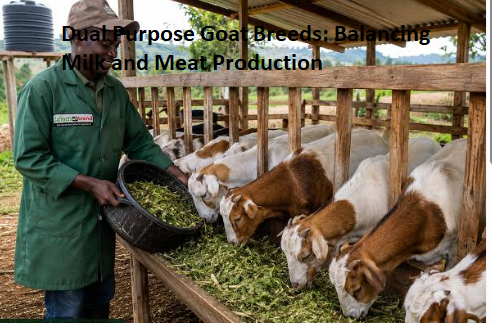
Selecting the right livestock for a small farm often leads beginners to investigate dual purpose goat breeds, which provide both high-quality milk and efficient meat production. Managing these animals effectively allows producers to maximize their land use while reducing the overhead costs associated with keeping specialized herds for separate purposes.
By choosing animals that excel in both categories, you simplify your breeding program and create a more resilient farm ecosystem. This article provides the technical details and practical management strategies required to succeed with versatile goat genetics.
Choosing dual purpose goat breeds means identifying animals that possess the structural capacity for high milk output while maintaining the muscle mass necessary for meat production. The primary breeds meeting these criteria include the Nubian, the Kinder, and the Kiko, though their specific traits vary significantly.
Nubians are the most common choice, known for their high butterfat content and substantial frame size compared to strictly dairy breeds like the Alpine or Saanen. If your goal is to balance home dairy needs with a profitable meat surplus, these breeds offer the most reliable performance metrics for small-scale operations.
The Nubian Advantage in Modern Herds
Nubians are widely considered the gold standard for versatility among goat keepers. They are easily recognizable by their long, pendulous ears and roman noses, but their true value lies in their functional anatomy.
These goats produce milk that is exceptionally high in butterfat, often ranging between 4% and 5%, which makes it ideal for cheese and yogurt production. Because they are larger than most Swiss dairy breeds, they also carry more weight, which translates to better meat yields when wethers are processed.
Management of a Nubian herd requires attention to their vocal nature and energetic temperament. They are intelligent animals that thrive on human interaction, but they can be demanding if their grazing requirements aren’t met.
When selecting breeding stock, look for individuals with a strong dairy wedge—a V-shaped body profile—that still shows adequate muscling across the loin and hindquarters. This structural balance is the key to maintaining their status as a true dual-purpose animal.
Understanding the Kinder Breed
The Kinder is a unique American breed developed specifically to bridge the gap between dairy and meat production. Created by crossing a Nubian doe with a Pygmy buck, the resulting offspring are compact, efficient, and exceptionally hardy.
They typically weigh between 100 and 150 pounds at maturity, making them much easier to handle than the larger dairy breeds. Their milk production is impressive for their size, and their meat is noted for its excellent flavor and fine texture.
Because they possess a lower center of gravity and a stockier build, Kinders are remarkably efficient at converting forage into body condition. This efficiency makes them a favorite for homesteaders with limited acreage who cannot support the high calorie requirements of larger dairy goats.
They are also known for having a calm, manageable disposition, which is a significant asset for new owners who are learning basic husbandry skills. If you are looking for a breed that produces a high ratio of meat-to-bone without sacrificing milk quality, the Kinder is a top-tier candidate.
Performance Metrics of Top Dual-Purpose Breeds
When comparing these animals, it is helpful to look at the typical output expectations for a mature doe. While individual results depend heavily on nutrition, forage quality, and genetic lines, the following table provides a general benchmark for what to expect from these specific breeds. Use these figures as a starting point for your own production planning and financial projections.
| Breed | Average Milk (Gallons/Day) | Mature Weight (Lbs) | Key Characteristic |
|---|---|---|---|
| Nubian | 1.0 – 1.5 | 135 – 175 | High butterfat content |
| Kinder | 0.5 – 1.0 | 100 – 150 | High feed efficiency |
| Kiko | 0.4 – 0.7 | 120 – 160 | Extreme parasite resistance |
Managing Kiko Goats for Meat and Milk
The Kiko breed was developed in New Zealand by crossing feral goats with dairy genetics, resulting in an animal that is practically indestructible. While they are primarily marketed as a meat breed, they are increasingly used by producers who want a goat that can provide enough milk to raise healthy kids while remaining productive on marginal pasture. Kikos are not going to set records for gallon-per-day output like a Saanen, but they are unmatched in their ability to thrive without constant medical intervention.
For the producer who values self-sufficiency, Kikos provide a low-input solution to farm management. Their resistance to internal parasites is a major economic advantage, as it reduces the need for expensive chemical dewormers and frequent veterinary visits.
When kept on a high-quality nutritional plane, they can produce enough milk to support rapid kid growth and provide a surplus for the household. They are an excellent choice if your local environment is harsh or if you prefer a hands-off approach to animal husbandry.
Nutritional Requirements for Production
Maximizing the output of dual purpose goat breeds requires a strategic approach to nutrition. You cannot expect high milk production and rapid weight gain if the animals are forced to rely solely on sparse pasture.
Lactating does require a high-protein diet to maintain their body condition while producing milk, especially during the peak of their lactation cycle. Supplementing with high-quality alfalfa hay and a balanced mineral program is essential for long-term herd health.
For meat production, energy intake is the primary driver of growth. Once kids are weaned, they should have access to high-energy browse or supplemental grain to ensure they reach market weight efficiently.
It is important to monitor the body condition score of your goats regularly, as over-conditioning can actually decrease milk production in some breeds. Aim for a body condition score of 3 out of 5 to ensure the animal is neither too thin nor dangerously obese.
Health and Breeding Strategies
Successful management starts with a rigorous culling and selection process. When you retain offspring for your herd, prioritize those that show both strong dairy conformation and rapid growth rates.
You can find detailed information on standard breed characteristics and health requirements through the American Dairy Goat Association, which provides comprehensive resources for breeders looking to improve their stock. Regular health checks, including FAMACHA scoring for parasite load, will help you identify which animals are truly thriving in your specific climate.
Breeding for dual-purpose traits requires patience and accurate record-keeping. You should track the lactation length of your does and the weaning weight of their kids to determine which bloodlines are performing best.
If a doe consistently produces kids that reach 60 pounds by 4 months of age while maintaining a steady milk supply, she is a valuable asset to your breeding program. Avoid the temptation to breed for appearance alone, as structural flaws can lead to long-term issues with udder health and mobility.
Economic Considerations for Small Farms
The financial viability of keeping dual-purpose goats often comes down to how well you utilize the “byproducts” of your operation. Selling surplus milk as raw milk (where legal) or processing it into high-value items like soap or goat cheese can significantly increase your profit margins.
Similarly, the meat market for goat is growing, especially in ethnic markets that prize specific weights and ages. By focusing on both streams of income, you diversify your farm’s risk and create a more stable financial foundation.
* Direct-to-consumer sales: Selling meat cuts directly to neighbors or through local farmers’ markets.
* Value-added products: Creating artisan goat milk soaps, lotions, or aged cheeses to increase profit per unit.
* Breeding stock: Selling registered or high-quality unregistered kids to other homesteaders starting their own herds.
* Manure management: Utilizing goat manure as a high-nitrogen compost for market gardens or orchard fertilization.
Common Questions About Dual Purpose Goats
What is the best age to process meat goats?
Most producers find that the optimal age for processing is between 4 and 6 months. At this stage, the meat is tender and the animals have reached a desirable weight without requiring excessive amounts of feed. Waiting longer can increase the size of the carcass, but it often results in tougher meat that is less desirable for high-end markets.
Can you milk a meat-focused breed?
Yes, any goat can technically be milked, but the volume and ease of milking will vary drastically. Breeds like the Kiko produce enough milk to raise their kids well, but they may have smaller teats that are difficult to milk by hand. If your primary goal is milk production, always prioritize breeds with dairy-oriented udder conformation.
How much space do these goats need?
Goats require significantly less space than cattle, but they do need room to browse. A general rule of thumb for sustainable management is 5 to 10 goats per acre, depending on the quality of your pasture and your willingness to provide supplemental feed. Overstocking leads to soil degradation and increased parasite pressure, so err on the side of having more room than you think you need.
Are dual purpose breeds harder to train?
Most dual purpose breeds are quite intelligent and respond well to consistent training. Nubians, in particular, are very social and can be trained to lead or stand for milking with minimal effort. The key is to start handling them at a young age, as early socialization prevents the behavioral issues that can occur in older, unhandled animals.
What is the biggest challenge for beginners?
The most significant hurdle is typically parasite management and hoof care. Goats are susceptible to barber pole worms, which can be fatal if not managed through rotational grazing and regular health monitoring. Providing a clean, dry environment and a balanced diet goes a long way toward preventing these common issues.
Building Your Sustainable Herd
Transitioning to dual purpose goat breeds is a rewarding path for those interested in sustainable agriculture and self-sufficiency. By selecting animals that provide both dairy and meat, you create a more efficient farm that makes the most of your resources. Focus on sound genetics, consistent nutrition, and careful record-keeping to ensure your herd remains productive and healthy for years.
These animals are more than just production units; they are the heart of a productive homestead. Start small, learn from your animals’ performance, and refine your management practices as you gain experience. With the right approach, your herd will provide a reliable source of nutrition and income, proving that the versatility of dual purpose goat breeds is an invaluable asset for any small-scale producer.
