

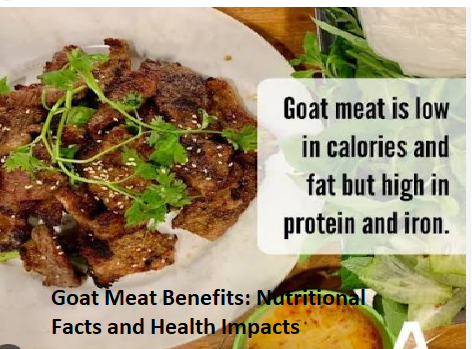
Understanding goat meat benefits requires looking at its unique nutritional profile compared to more common livestock options like beef or chicken. As a staple protein source for a large portion of the global population, this lean red meat offers significant dietary advantages for those seeking high-quality amino acids without the typical caloric density of other ruminants. By exploring the specific mineral density and fat composition of caprine products, you can better determine how they fit into a balanced, health-conscious lifestyle.
The Nutritional Composition of Goat Meat
When evaluating goat meat benefits, the most striking factor is its low fat content relative to beef or lamb. A standard 100-gram serving of roasted goat meat typically contains about 3 grams of total fat, which is significantly lower than the 7 to 10 grams found in similar cuts of beef. This lower lipid profile makes it an excellent choice for individuals managing their weight or those looking to reduce their overall intake of saturated fats.
Beyond the fat content, goat meat is a dense source of high-quality protein. It provides all essential amino acids required for muscle repair and metabolic function. Because the muscle fibers are generally leaner, the protein-to-calorie ratio is highly favorable for athletes and active individuals.
The micronutrient profile is equally impressive, particularly regarding iron and vitamin B12. Goat meat is a potent source of heme iron, the form most easily absorbed by the human body. This makes it a valuable dietary inclusion for preventing iron-deficiency anemia, a common issue for many populations.
Comparison with Other Common Meats
To see the value clearly, it helps to compare the nutritional data side-by-side with other proteins. While chicken is often cited as the gold standard for lean meat, goat meat often outperforms it in specific mineral categories while remaining competitive on fat levels. The following table illustrates the approximate nutrient content per 100 grams of cooked lean meat.
| Nutrient | Goat Meat | Beef (Lean) | Chicken Breast |
|---|---|---|---|
| Calories | 143 kcal | 205 kcal | 165 kcal |
| Protein | 27g | 26g | 31g |
| Fat | 3g | 9g | 3.6g |
| Iron | 3.3mg | 2.6mg | 1.0mg |
As the data shows, goat meat bridges the gap between the leanness of poultry and the mineral density of red meat. It provides a unique compromise that offers the satiety of red meat without the high calorie or fat counts often associated with marbled beef. This balance is a central pillar of why goat meat is gaining popularity in health-focused culinary circles.
Cardiovascular Health and Fat Profile
A major advantage of choosing goat over other red meats is the specific nature of its lipid content. It contains lower levels of cholesterol and saturated fats, which are primary contributors to cardiovascular strain. By substituting beef or pork with goat, you are naturally reducing your intake of dietary factors that can elevate LDL cholesterol levels.
The fat that is present in goat meat is also more likely to be composed of unsaturated fatty acids. These fats are essential for maintaining healthy cell membranes and supporting brain function. Because the fat is not heavily marbled within the muscle tissue, it is easier to trim during preparation.
This makes the meat highly suitable for heart-healthy dietary patterns like the Mediterranean diet. When prepared with minimal added oils or butter, the net impact on your lipid profile is significantly more favorable than consuming processed or fatty meats. It allows for the enjoyment of savory, traditional dishes without compromising long-term heart health.
Iron Content and Anemia Prevention
The high iron content in goat meat is perhaps its most significant clinical benefit. Iron is a critical component of hemoglobin, the protein in red blood cells that transports oxygen throughout the body. Without sufficient dietary iron, the body cannot produce enough healthy red blood cells, leading to fatigue and reduced cognitive function.
Because goat meat is rich in heme iron, it provides a bioavailability that plant-based sources like spinach or legumes simply cannot match. For women of childbearing age, growing children, and individuals recovering from illness, this makes the meat a functional food. Regular consumption can help maintain optimal ferritin levels and prevent the lethargy associated with mild deficiencies.
Integrating this into your diet does not require daily consumption to see results. Including a small serving two to three times a week can be enough to significantly boost your iron intake. This is particularly helpful for those who struggle with the gastrointestinal side effects often associated with iron supplementation pills.
Essential Vitamin and Mineral Density
Beyond iron, goat meat serves as a robust delivery system for various B vitamins, especially B12 and B6. Vitamin B12 is vital for nerve tissue health and the formation of red blood cells, and it is found almost exclusively in animal products. A single serving can meet a large portion of the daily recommended intake for an average adult.
The meat also provides significant amounts of zinc and potassium. Zinc is essential for immune system function and wound healing, while potassium helps regulate fluid balance and blood pressure. These minerals work in tandem to support systemic health beyond just basic energy production.
For those who prioritize nutrient density, this meat is a superior option compared to highly processed protein alternatives. It provides these vitamins and minerals in a natural, food-based matrix that the body is evolved to process efficiently. This is why many nutritionists consider it a functional, whole-food choice for maintaining long-term wellness.
Culinary Versatility and Preparation
The texture and flavor of goat meat make it remarkably versatile in the kitchen. Because it is leaner than many other meats, it benefits from specific cooking techniques that keep it moist and tender. Slow cooking, braising, and stewing are the most common methods used globally to break down the connective tissue.
These methods also allow for the incorporation of herbs, spices, and vegetables, which further enhance the nutritional value of the meal. You can easily pair goat meat with fiber-rich legumes and root vegetables to create a complete, balanced dish. This adaptability is part of why it remains a dietary staple in diverse cultures across the Caribbean, Africa, and Asia.
When shopping, look for cuts that are bright in color and have a firm texture. You can find more information on the safety and selection of various proteins by visiting the USDA Food Safety and Inspection Service for guidance on handling. Proper storage and preparation are essential to maintaining the quality and nutrient retention of the meat.
Common Dietary Myths and Facts
There are several misconceptions regarding goat meat that deserve clarification. One common myth is that it is inherently tough or has an unpleasant gamey flavor, which often stems from improper preparation or the age of the animal. When sourced correctly and cooked using the right moisture-based methods, the meat is tender and mild.
Another point of confusion is the comparison to lamb. While they are both small ruminants, goat meat is consistently leaner than lamb, which often has significant fat deposits. If you are specifically looking for a low-fat red meat option, goat is the better choice for your nutritional goals.
Finally, some believe that because it is a red meat, it should be avoided entirely to lower cancer risk. Current research suggests that the risks associated with red meat are primarily linked to high consumption of processed meats like sausages and deli cuts. Fresh, unprocessed goat meat does not carry the same associations with health risks when consumed as part of a varied, vegetable-forward diet.
Key Considerations for Inclusion
Incorporating goat meat into your routine is a straightforward process, but it requires mindful planning to maximize health outcomes. Focus on preparing the meat with healthy fats like olive oil rather than heavy creams or excessive amounts of butter. This maintains the heart-healthy profile of the protein.
Consider the following list of ways to integrate this meat into a balanced diet:
-
- Use lean, cubed goat meat in slow-cooked stews with plenty of carrots, celery, and onions.
-
- Grind the meat for use in tacos or lettuce wraps, seasoning it with cumin and chili for flavor without excess sodium.
-
- Incorporate it into curry dishes that rely on coconut milk or tomato bases rather than heavy dairy.
-
- Roast larger joints on a rack to allow excess fat to render away during the cooking process.
-
- Pair servings with dark leafy greens to complement the high iron content with vitamin C for better absorption.
By keeping these preparation tips in mind, you can enjoy the culinary experience while respecting your nutritional needs. It is all about how you frame the ingredient within the broader context of your daily meals.
Frequently Asked Questions
Is goat meat healthier than chicken?
Goat meat and chicken are both excellent lean protein sources, but they offer different benefits. Goat meat is superior in terms of iron and B-vitamin content, while chicken is generally lower in total calories. Choosing between them should depend on your specific nutritional goals, such as whether you need more iron or are strictly focused on calorie counting.
Can goat meat help with weight loss?
Yes, it can be a supportive food for weight loss due to its high protein density and relatively low fat content. Protein is highly satiating, meaning it helps you feel full for longer, which can reduce overall caloric intake throughout the day. When prepared without heavy sauces or deep-frying, it is a very diet-friendly protein.
Is goat meat suitable for people with kidney issues?
Individuals with kidney disease often need to monitor their protein and mineral intake, particularly phosphorus and potassium. While goat meat is a healthy protein, those with renal conditions should consult their doctor or a renal dietitian to determine appropriate portion sizes. The high mineral content, while beneficial for most, may need to be restricted depending on your specific lab results.
Does goat meat have side effects?
For the vast majority of people, there are no negative side effects associated with eating goat meat. It is a natural, nutrient-dense food. However, as with any red meat, moderation is advised, and individuals with specific metabolic conditions or gout should be mindful of their total intake of animal proteins.
Which part of the goat is the healthiest to eat?
The leanest cuts of the goat are generally the leg and the loin. These portions contain the least amount of intramuscular fat and provide the highest percentage of high-quality protein per gram. Choosing these cuts and trimming any visible exterior fat will ensure you get the maximum nutritional value.
The journey to understanding goat meat benefits reveals a protein that is both culturally significant and scientifically sound for modern health. By providing a lean, iron-rich alternative to traditional red meats, it offers a practical way to diversify your diet while meeting your body’s requirements for essential nutrients. Whether you are looking to boost your iron levels or simply find a more sustainable, lower-fat red meat option, this ancient dietary staple has much to offer.
Start by experimenting with simple, slow-cooked recipes that highlight the natural flavor of the meat, and you will likely find it an easy addition to your regular meal rotation. Embracing this nutrient-dense food is a proactive step toward a more varied and health-conscious approach to eating.
