

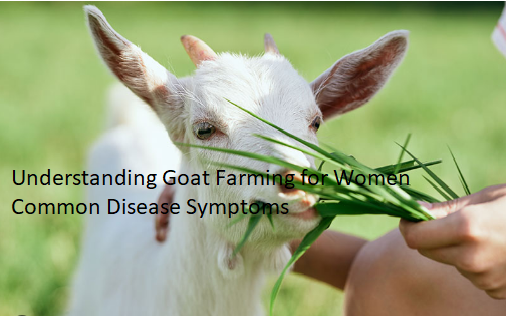
Managing a healthy herd is the cornerstone of sustainable livestock production, and understanding goat farming for women common disease symptoms is essential for anyone entering the industry. Whether you are managing a small homestead or a commercial dairy operation, recognizing early warning signs can be the difference between a minor setback and a significant financial loss.
By observing subtle changes in behavior and physical appearance, you can intervene before a condition becomes critical. This article provides the practical knowledge needed to identify, manage, and prevent the most prevalent health challenges faced by goat farmers today.
Early Detection of Goat Health Issues
The most reliable indicator of a healthy goat is a consistent, normal baseline behavior. A healthy animal is alert, has a shiny coat, and maintains a steady appetite throughout the day.
When you observe a goat that stands apart from the herd, hangs its head, or stops ruminating, you are likely witnessing the first signs of trouble. It is vital to perform a daily health check, even if the animals appear fine, to catch issues like subclinical mastitis or early-stage parasite loads before they become obvious.
Temperature, pulse, and respiration are the three vital signs you must monitor when something seems off. A normal rectal temperature for an adult goat typically ranges between 101.5°F and 103.5°F.
Anything significantly higher suggests an infection or heat stress, while a lower temperature can indicate shock or severe metabolic distress. Keep a digital thermometer in your medical kit specifically for livestock use to ensure you have accurate readings when you need them most.
Look closely at the animal’s mucous membranes, particularly the inner eyelid, to check for signs of anemia. A pale or white color often indicates a heavy infestation of Haemonchus contortus, commonly known as the barber’s pole worm.
If the membrane is a healthy, vibrant pink, your parasite management program is likely working. If it is nearly white, you must act immediately with an appropriate anthelmintic treatment recommended by your local veterinarian to prevent rapid weight loss or death.
Common Respiratory and Digestive Symptoms
Respiratory infections are frequent challenges in goat farming, often triggered by poor ventilation or sudden temperature fluctuations. Watch for nasal discharge, which can be clear, yellow, or thick and crusty.
A goat that exhibits a persistent cough or rapid, labored breathing may be suffering from pneumonia, a condition that can spread quickly through a confined herd. Always ensure your barn has adequate airflow without creating direct, cold drafts that chill the animals.
Digestive issues often manifest through changes in stool consistency or appetite. Scours, or diarrhea, is a common symptom that can range from mild dietary upset to life-threatening bacterial infections.
When you notice loose stools, isolate the affected goat immediately to prevent potential contamination of the water source or bedding. Monitor the animal’s hydration levels closely by pulling gently on the skin over the neck; if the skin does not snap back immediately, the goat is likely dehydrated and requires electrolytes.
Bloat is another critical digestive emergency that requires rapid response. It occurs when gas becomes trapped in the rumen, causing the left side of the animal’s abdomen to appear visibly distended and tight as a drum.
A goat with severe bloat will show signs of extreme discomfort, such as kicking at its belly, bleating loudly, and struggling to breathe. This can be fatal within hours, making it one of the most urgent conditions to recognize during your routine observations.
Zoonotic Concerns for Farmers
When investigating goat farming for women common disease symptoms, it is crucial to remain aware of diseases that can transmit from animals to humans. Brucellosis and Q fever are two notable examples that require strict hygiene protocols during kidding season.
Always wear gloves when assisting with deliveries or handling placentas, as these tissues are high-risk zones for bacterial transmission. Practicing good biosecurity keeps your herd safe and protects your own health.
Tuberculosis can also affect goats and is transmissible to humans, though it is less common in well-managed herds. Skin conditions like ringworm are highly contagious and frequently pass to human handlers who come into direct contact with infected goats.
If you notice circular, hairless, or crusty patches on your goats, avoid touching the area without protective gear. Wash your hands thoroughly with antimicrobial soap after every session in the barn to minimize the risk of cross-contamination.
Nutritional Deficiencies and Metabolic Disorders
Many health issues in goats are actually symptoms of underlying nutritional imbalances rather than infectious diseases. Pregnancy toxemia, or ketosis, often affects high-producing dairy does in late pregnancy when their energy needs exceed their intake.
Signs include lethargy, a sweet-smelling breath, and a refusal to eat grain. Providing high-quality alfalfa hay and ensuring proper mineral supplementation can prevent these metabolic crashes before they start.
Copper deficiency is a widespread issue that significantly impacts coat quality and immune function. A goat suffering from a lack of copper will often show a “fish-tail” appearance where the hair at the end of the tail falls out or looks frayed.
Their coat may lose its luster and turn a reddish or bleached color, even in dark-coated animals. Consult with an expert at the USDA Animal and Plant Health Inspection Service to determine the correct mineral balance for the forage available in your specific geographic region.
White muscle disease is another concern, typically caused by a selenium and vitamin E deficiency. This condition manifests as stiffness, weakness, or an inability to stand, particularly in kids.
It is often preventable through proper maternal nutrition during the dry period. If you suspect a deficiency, do not supplement blindly, as minerals like copper and selenium can be toxic in high doses; always work with a qualified nutritionist or veterinarian.
Key Indicators of Sick Goats
To simplify your daily monitoring, keep a checklist of physical and behavioral changes that suggest a need for veterinary intervention. Below is a table highlighting common symptoms and the conditions they typically represent.
| Symptom | Potential Condition | Action Required |
|---|---|---|
| Rapid, labored breathing | Pneumonia | Isolate and consult vet |
| Pale eyelid membranes | Internal parasites | FAMACHA check and deworm |
| Distended left abdomen | Bloat | Emergency rumen relief |
| Stiffness or lameness | Foot rot or injury | Trim and clean hooves |
| Crusty, circular skin lesions | Ringworm | Isolate and disinfect |
Managing Parasite Loads Effectively
Parasite management is perhaps the most significant ongoing task for any goat farmer. Reliance on chemical dewormers has led to widespread resistance, meaning these drugs are becoming less effective over time.
Instead of blanket-treating the entire herd, implement the FAMACHA system to identify which individual goats actually require treatment. This targeted approach slows the development of resistant parasite strains while ensuring that vulnerable animals receive the care they need.
Pasture rotation plays a massive role in limiting the exposure of your goats to infective larvae. By moving your herd to fresh paddocks before the grass is grazed too short, you prevent them from consuming larvae that live in the bottom two inches of the forage.
Integrating other species, such as cattle, can also help break the life cycle of goat-specific parasites. These management strategies are far more sustainable than relying solely on pharmaceutical interventions for long-term herd health.
Foot Health and Mobility
Goats are prone to hoof issues, especially in damp or muddy climates. Foot rot is a common bacterial infection that thrives in wet conditions, causing significant pain and lameness.
You will notice a distinct, foul odor if you lift the foot, and the hoof tissue may appear soft or rotting. Regular hoof trimming every 6 to 8 weeks is the best way to prevent the accumulation of debris that fosters these bacterial environments.
Foot scald is a less severe but still painful condition that often precedes full-blown foot rot. It presents as inflammation between the toes without the deep tissue damage seen in more advanced infections.
Keeping your barn floor dry and providing clean, well-drained exercise areas will drastically reduce the incidence of mobility issues. If you notice a goat favoring one leg, check the hoof immediately for trapped rocks, thorns, or signs of infection.
Important Preventative Measures
Building a strong immune system through nutrition and environment is your primary defense against disease. Ensure every animal has constant access to fresh, clean water, as contaminated troughs are common vectors for illnesses like coccidiosis.
Provide a high-quality loose mineral mix specifically formulated for goats rather than sheep, as copper is essential for goats but toxic to sheep. Maintaining clean, dry bedding also prevents the growth of bacteria and mold that can trigger respiratory issues.
Vaccination schedules are another critical component of a proactive health program. Most farmers choose to vaccinate against Clostridial diseases, such as enterotoxemia and tetanus, commonly known as the “CD&T” vaccine.
These diseases are often fatal and move so quickly that treatment is rarely successful, making prevention the only viable strategy. Consult with your local extension office to determine which additional vaccines are necessary for the specific disease risks present in your area.
- Maintain a clean, dry, and well-ventilated barn environment.
- Perform regular hoof trimming to prevent rot and scald.
- Use the FAMACHA system to monitor parasite levels.
- Ensure access to proper goat-specific mineral supplements.
- Keep a detailed health log for every animal in the herd.
- Isolate new arrivals for at least 30 days before integration.
- Schedule routine vaccinations for common clostridial diseases.
Frequently Asked Questions
What are the first signs of listeria in goats?
The initial symptoms of listeriosis often include a drooping ear, facial paralysis, or a tilted head. The goat may appear depressed, stop eating, and eventually lose the ability to stand or swallow. Because this is a bacterial infection of the brain, early detection and aggressive antibiotic treatment are critical for survival.
Can humans get coccidia from goats?
Coccidia species are generally host-specific, meaning the strain that affects your goats will not infect you. However, good hygiene is still essential when handling animal waste. Always wash your hands after mucking out stalls to prevent the spread of other zoonotic pathogens or bacteria.
How do I know if my goat has a fever?
A fever is confirmed when a goat’s rectal temperature exceeds 103.5°F. You may observe the goat shivering, panting, or standing away from the herd. Use a digital thermometer to confirm the temperature before administering any medications, as symptoms of heat stress can sometimes mimic fever.
What is the best way to prevent foot rot?
Preventing foot rot relies on keeping the environment dry and ensuring regular hoof maintenance. If your area is prone to mud, provide elevated platforms or gravel pads where goats can stand to keep their hooves out of the moisture. Trim hooves regularly to prevent the pockets where bacteria grow.
How often should I check my goats for parasites?
During the peak parasite season, usually when the weather is warm and humid, you should check your goats every two to four weeks. Using the FAMACHA method to check the color of the inner eyelid allows you to monitor for anemia without needing constant fecal testing. Adjust the frequency based on the humidity levels and the age of the goats.
Final Thoughts on Herd Health
Staying vigilant about goat farming for women common disease symptoms allows you to maintain a productive and happy herd. By focusing on preventative measures like proper mineral intake, regular hoof care, and targeted parasite management, you reduce the necessity for reactive medical treatments. Observation is your most powerful tool; the more time you spend with your goats, the faster you will recognize the small behavioral shifts that signal an upcoming health issue.
Remember that you do not need to be an expert in veterinary medicine to be an effective goat farmer. You simply need to be observant, consistent, and proactive in your management style.
When in doubt, document your observations and consult with a professional veterinarian to ensure your herd remains in peak condition. Taking these steps today protects your investment and ensures the longevity of your farming operation for years to come.
