

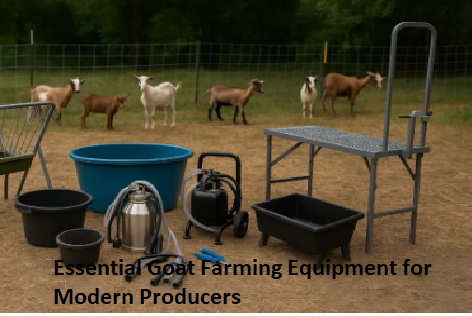
Investing in the right goat farming equipment is the most critical step for ensuring animal welfare and operational efficiency. Whether you are managing a small homestead herd or scaling up to a commercial operation, your infrastructure dictates your daily labor requirements and overall herd health.
By prioritizing high-quality tools and containment systems, you reduce the risk of disease, prevent accidental breeding, and protect your livestock from predators. This overview provides the specific technical requirements needed to establish a functional and sustainable production environment for your goats.
Establishing Secure Containment and Fencing
The foundation of any successful operation is high-quality fencing designed specifically for goats. Goats are notorious for their curiosity and ability to squeeze through even the smallest gaps in wire or wood. A standard 4-foot woven wire fence is generally the minimum height required to prevent jumping, though 5-foot fencing is recommended for high-energy breeds.
You must avoid using barbed wire, as it causes significant injury to goat hides and can lead to secondary infections. Instead, consider using square-knot woven wire which provides a rigid structure that goats cannot easily push over or stretch. For smaller paddocks or rotation systems, temporary electric netting is a highly effective tool.
These portable electric systems allow you to manage grazing pressure and clear brush efficiently. Research suggests that ten adult goats can clear approximately one-quarter acre of light brush in a single day, depending on the density of the vegetation. Using electric fencing requires a reliable solar or plug-in energizer to maintain consistent voltage.
Shelter and Housing Requirements
Goats are highly sensitive to extreme weather conditions, particularly moisture and drafts. Your shelter needs to provide a dry, well-ventilated area that keeps the animals off the damp ground. A simple three-sided shed facing away from prevailing winds is often sufficient for most temperate climates.
Ensure the interior of the shelter provides at least 12 to 15 square feet per animal to prevent overcrowding and stress. Flooring should be made of elevated wood slats or packed dirt covered with a thick layer of straw or wood shavings. You must regularly muck out these shelters to prevent ammonia buildup, which can cause severe respiratory issues in goats.
During kidding season, you need additional individual pens to isolate does and their newborns. These kidding pens should be roughly 4 feet by 4 feet to allow the doe to bond with her kids without interference from the rest of the herd. Having a dedicated hospital pen is also necessary for isolating sick or injured animals to prevent the spread of contagious diseases.
Feeding and Watering Infrastructure
Efficient feeding systems are essential for minimizing waste and ensuring every animal receives adequate nutrition. Goats are notorious for trampling their feed if it is placed directly on the ground, which leads to parasitic contamination. Using elevated hay feeders with tight slats prevents the goats from pulling out large mouthfuls and dropping them into the dirt.
Watering equipment must be kept clean and accessible at all times, as a goat’s milk production drops significantly if they are dehydrated. Automatic waterers are highly efficient for larger herds, though they require routine maintenance to ensure the valves do not clog with debris. In freezing climates, you must invest in heated water troughs or tank heaters to keep the supply from turning into ice.
| Equipment Item | Primary Function | Maintenance Frequency |
|---|---|---|
| Woven Wire Fencing | Predator control and containment | Monthly inspection |
| Raised Hay Feeder | Waste reduction and hygiene | Weekly cleaning |
| Heated Water Trough | Hydration in winter | Daily check |
| Hoof Trimming Shears | Mobility and foot health | Every 6–8 weeks |
Health Management and Grooming Tools
Regular health maintenance requires a specific set of tools that every producer should keep in a central kit. The most vital piece of equipment is a pair of high-quality, sharp hoof trimming shears. Neglecting hoof care can lead to foot rot, which is a debilitating condition that ruins a goat’s ability to forage and breed.
You should also maintain a medical supply box containing basic items for emergencies. This should include antiseptic spray, digital thermometers for monitoring temperatures, and oral drenching syringes for administering dewormers or minerals. Learn more about best practices for livestock care by consulting the eXtension Foundation, which provides research-backed resources for agricultural producers.
Keep a supply of basic grooming tools like stiff brushes and curry combs on hand. Brushing goats not only helps manage their coat but also allows you to inspect them for external parasites like lice or mites. Early detection of these pests is much easier when you are handling your animals on a consistent, daily basis.
Handling and Restraint Systems
Even in a small herd, there will be times when you need to restrain a goat for medical treatment or transport. A head gate or a stanchion is the best investment you can make to save your back and reduce stress on the animal. A sturdy stanchion allows you to hold the goat in a comfortable position while you perform tasks like milking, trimming, or administering vaccinations.
For larger operations, a full squeeze chute can be a significant time-saver, though it is usually overkill for hobbyists. If you are moving goats regularly, consider investing in a livestock trailer with a low-profile loading ramp. Goats can be stubborn about jumping into dark or steep spaces, so a well-lit, shallow ramp is crucial for stress-free loading.
Always ensure your handling area is free of sharp protrusions or narrow traps where a goat could get a leg caught. The goal of any restraint system should be to minimize the time the animal spends in a confined state. You want to complete the task quickly and return the animal to the herd as soon as possible.
Milking Equipment for Dairy Operations
If you are raising dairy goats, your equipment needs expand significantly to include sanitation and collection tools. A clean, stainless steel milking pail is the industry standard because it is easy to sanitize and does not harbor bacteria. If you have more than three or four does, manual milking becomes physically taxing and time-consuming.
Consider upgrading to a portable vacuum milking machine designed specifically for small ruminants. These machines often operate off a small electric motor and use soft, silicone liners that mimic the natural suckling of a kid. Consistency in your milking routine is more important than the speed of the machine, as it prevents mastitis and keeps production levels stable.
You will also need a reliable filtration system to strain the milk immediately after collection. Using single-use paper filters ensures that any stray hair or dust is removed before the milk is cooled. Proper cooling is the final, non-negotiable step in dairy production to ensure the quality and safety of your final product.
Storage and Inventory Management
Proper storage of feed, supplements, and equipment is just as important as the items themselves. You must keep grain and mineral supplements in rodent-proof containers to prevent contamination and waste. A simple metal trash can with a locking lid is usually sufficient for small-scale feed storage.
Organize your tools in a centralized, dry shed or garage to prevent rust and loss. Many producers find that a wall-mounted pegboard system works best for organizing shears, halters, and leads. By having a designated place for every item, you minimize the time spent searching for tools when an urgent situation arises.
Inventory management also includes tracking your equipment’s lifespan and service dates. Keep a simple logbook or digital spreadsheet to record when you last serviced your generator, sharpened your shears, or replaced your fencing tensioners. This proactive approach prevents small, manageable issues from turning into expensive, full-scale equipment failures.
Transportation and Safety Considerations
Transporting goats safely requires attention to both the vehicle and the containment method. Whether you use a pickup truck with a stock rack or a dedicated horse trailer, the space must be well-ventilated yet secure. Ensure the interior flooring has non-slip matting, as goats can easily lose their footing during sharp turns or sudden stops.
If you are moving goats over long distances, plan for frequent stops to check on their water intake and stress levels. Never transport a pregnant doe in her final trimester unless it is absolutely necessary, as the stress can trigger premature kidding. Always carry a basic “go-kit” in your vehicle that includes water, hay, and a spare halter.
Your personal safety is also paramount when handling large or aggressive animals. Always wear sturdy, closed-toe boots and durable clothing that can withstand being stepped on or snagged. If you are working with bucks during the rut, keep a sorting board or a heavy cane nearby to maintain a safe distance if they become pushy.
Frequently Asked Questions
How many acres do you need to start a small herd?
You can comfortably keep 5 to 8 goats on a single acre if you are providing supplemental hay and grain. If you intend to rely solely on pasture, you will need significantly more land to prevent overgrazing and soil erosion.
What is the most important piece of equipment for a beginner?
A high-quality fencing system is the most important investment you can make. Without secure boundaries, you will struggle to manage your herd, protect them from predators, and keep them from eating your garden or neighbor’s property.
Do I really need a milking machine for just two goats?
No, a milking machine is generally not necessary for only two goats. Manual milking is manageable for small numbers and allows you to build a better relationship with your animals while keeping your startup costs low.
How often should I trim goat hooves?
You should inspect your goats’ hooves every 6 to 8 weeks and trim them as needed. The frequency depends on the terrain; goats on rocky ground will naturally wear their hooves down, while those on soft pasture will require more frequent manual intervention.
What is the best way to prevent parasites in my herd?
The best strategy is to avoid overstocking your pasture and to use rotational grazing to break the life cycle of internal parasites. Additionally, keeping feeders elevated and water sources clean significantly reduces the risk of fecal-oral transmission.
Maintaining high-quality goat farming equipment is the most effective way to ensure the long-term health and productivity of your herd. By investing in secure fencing, reliable shelters, and proper health tools, you create a stable foundation for your agricultural goals. While the initial costs of setting up your operation can seem daunting, these assets pay for themselves by reducing labor, preventing injuries, and minimizing the risk of disease.
As you grow your herd, remember to prioritize maintenance and hygiene to keep your production levels consistent. Whether you are focusing on dairy, meat, or fiber, the right tools will simplify your daily routine and support the overall success of your farming operation.
