

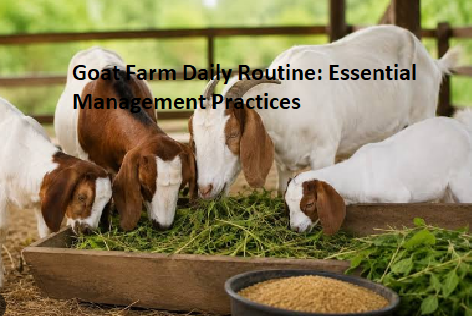
Establishing a consistent goat farm daily routine is the bedrock of a successful livestock operation, as these animals thrive on predictability and structured care. Whether you are managing a small homestead herd or a commercial dairy, the core requirements involve monitoring health, managing nutrition, and maintaining sanitary living quarters. By standardizing these tasks, you minimize stress for the animals and significantly reduce the time spent troubleshooting preventable health issues.
Core Daily Requirements
The primary tasks in a goat farm daily routine revolve around hydration, nutrition, and observation. Goats require access to clean, fresh water at all times, as a drop in intake can lead to immediate complications like urinary calculi or reduced milk yield. You should inspect water troughs every morning to ensure they are free of debris, algae, or contamination from droppings.
Feeding schedules typically follow a twice-daily pattern, coinciding with milking if you operate a dairy. Providing high-quality forage, such as alfalfa or orchard grass hay, is essential to keep the rumen functioning correctly. Always ensure that mineral supplements, specifically formulated for goats, are available free-choice in a weather-protected feeder to prevent deficiencies.
Morning Inspection and Health Monitoring
The first hours of the day are critical for detecting early signs of illness, which is why a structured goat farm daily routine emphasizes observation before feeding. Walk through the barn while the herd is active to observe movement, posture, and appetite. A healthy goat should be bright-eyed, standing alert, and eager to eat; any animal standing apart, hunched, or showing signs of dullness requires immediate attention.
Check for common indicators of distress, such as nasal discharge, coughing, or abnormal stool. It is helpful to keep a dedicated health journal or digital log to track these observations, as subtle changes often precede major health events. By catching issues like pneumonia or parasitic overload early, you can often treat them with simple interventions rather than expensive veterinary care.
Sanitation and Waste Management
Maintaining a clean environment is non-negotiable for preventing foot rot, mastitis, and internal parasites. A standard goat farm daily routine includes a thorough sweep of the loafing area and the removal of soiled bedding. If you use a deep-litter system, ensure the top layer remains dry and add fresh bedding materials like straw or wood shavings as needed.
Cleaning milking parlors and kidding pens is an even higher priority to maintain milk quality and protect newborns. Use a food-safe disinfectant on milking equipment immediately after every use to prevent the buildup of milk solids and bacteria. Proper waste management, including the regular removal of manure to a composting area, also keeps fly populations under control during the warmer months.
Nutritional Strategy and Forage
Goats are selective browsers rather than simple grazers, meaning they require a diverse diet to remain healthy. Your daily routine should account for the specific needs of different groups, such as lactating does, growing kids, and dry stock. Lactating animals need higher protein levels to support milk production, which you can provide through high-quality legumes or calibrated grain rations.
Comparison of Goat Dietary Needs
| Goat Category | Primary Feed Component | Supplemental Need |
|---|---|---|
| Lactating Doe | High-protein alfalfa | Concentrate/Grain mix |
| Growing Kid | Alfalfa/Timothy mix | Starter pellets |
| Dry Doe/Buck | Grass hay | Loose minerals |
Adjusting these rations based on body condition scores is a vital part of long-term management. If you notice a doe losing weight, you must increase her calorie intake immediately. Conversely, overfeeding can lead to obesity, which causes reproductive issues and metabolic disorders like pregnancy toxemia.
Pasture and Grazing Management
If your operation utilizes rotational grazing, the daily routine must include moving portable fencing or shifting the herd to a fresh paddock. Goats are highly susceptible to barber pole worms, which thrive in moist, short grass environments. By rotating pastures frequently, you break the life cycle of these parasites and provide the herd with fresh, nutrient-dense forage.
Always check fence lines during your daily walk-through to ensure there are no gaps or loose wires that could lead to escapes. Goats are notorious for testing boundaries, and a single breach can expose your herd to predators or toxic plants found in neighboring woods. Consistent fence maintenance prevents the loss of valuable livestock and reduces the stress of rounding up escaped animals.
The Importance of Record Keeping
A professional goat farm daily routine is incomplete without rigorous documentation of daily events. You should track breeding dates, kidding milestones, and any medications administered to specific animals. This data is essential for maintaining a closed herd and making informed culling decisions based on production history.
* Daily Milk Yields: Track volume per doe to identify high producers and potential mastitis cases.
* Breeding Logs: Record service dates to predict exact kidding windows weeks in advance.
* Medication Inventory: Keep a running count of dewormers, antibiotics, and supplements to avoid running out during emergencies.
* Weight Checks: Monitor growth rates in kids to ensure they are meeting breed-standard benchmarks.
Keeping these records organized allows you to spot trends in your herd’s health and productivity over time. Many farmers find that using specialized software or simple spreadsheets makes this process much more efficient than paper logs. You can learn more about herd management standards through resources like the American Dairy Goat Association for detailed breed-specific guidelines.
Equipment Maintenance and Safety
Your daily routine should include a brief inspection of all farm equipment, from water pumps to milking machines. A malfunctioning waterer can cause dehydration within hours, especially in summer heat, while a broken milker can damage the udder tissue of your does. Keep a basic toolkit readily available in the barn so that minor repairs can be completed without delay.
Safety protocols are equally important when working with livestock, particularly when handling bucks or protective mothers. Always ensure that gates are properly latched and that you have a clear exit path when entering pens. Wearing appropriate footwear and having a reliable light source for early morning or late evening chores are simple habits that prevent common farm accidents.
Seasonal Adjustments to the Routine
While the core of your work remains consistent, your goat farm daily routine must adapt to seasonal shifts. Winter requires extra attention to bedding and caloric intake, as goats burn significant energy just to stay warm. Ensure that water troughs are equipped with heaters if you live in a climate where temperatures drop below freezing for extended periods.
Summer brings the challenge of heat stress and increased insect activity, necessitating more frequent shade checks and possibly fly mitigation strategies. During the kidding season, the intensity of your daily tasks will spike, requiring hourly checks on expectant does and newborns. These seasonal shifts keep the work dynamic and require a flexible approach to your standard schedule.
Frequently Asked Questions
How many hours a day does a goat farm require?
For a small herd, a dedicated goat farm daily routine typically takes about one to two hours in the morning and another hour in the evening. This time covers feeding, watering, milking, and a general health check, though you should allocate extra time during kidding season.
Can I leave my goats alone for an entire weekend?
It is generally not recommended to leave goats completely unattended for more than 24 hours without a reliable person checking on them. Goats are prone to sudden health crises, such as bloat or injury, and they require daily monitoring to ensure they have access to water and that their environment remains secure.
What is the most critical part of the daily routine?
The most critical task is the morning observation, where you assess the physical condition and behavior of every animal. Detecting a sick goat early is the difference between a simple recovery and a life-threatening emergency, making this quick check the most valuable investment of your time.
Do I need to feed grain to my goats every day?
Not all goats require grain, as many can thrive on high-quality forage and minerals alone. Grain is typically reserved for lactating does, growing kids, or animals that need extra energy to maintain body condition; overfeeding grain can cause serious digestive issues like acidosis.
How do I manage manure efficiently on a daily basis?
Efficient manure management involves using a wheelbarrow or small tractor to clear stalls directly into a composting site. By keeping the manure pile away from the barn and covering it, you reduce odors and prevent the area from becoming a breeding ground for flies and parasites.
Conclusion
Mastering a consistent goat farm daily routine is the most effective way to ensure the long-term health and productivity of your herd. By prioritizing daily observation, maintaining clean facilities, and sticking to a reliable feeding schedule, you create an environment where your animals can thrive. While the work is demanding, the structure you implement will pay off in lower veterinary bills, higher production rates, and a more manageable workload. Start by refining one area of your daily chores at a time, such as your record-keeping or your morning health check, to build a system that works for your specific operation. With patience and attention to detail, you will soon find that these daily habits become second nature, setting the stage for a successful and rewarding experience in goat farming.
