

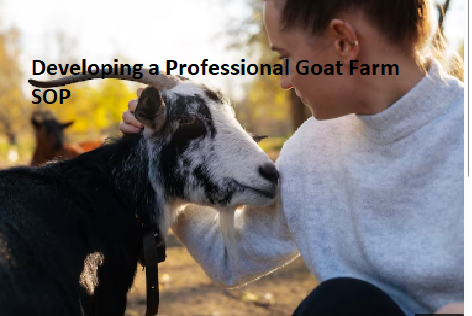
Implementing a structured goat farm SOP is the most effective way to ensure consistent herd health and operational efficiency. By standardizing daily tasks, you eliminate guesswork for staff and reduce the risk of oversight during critical periods like kidding season or disease outbreaks. This approach transforms a chaotic homestead operation into a predictable, scalable business model that prioritizes animal welfare and production metrics.
The primary objective of a standard operating procedure for goat production is to define clear protocols for daily husbandry, medical interventions, and record-keeping. A typical document should be divided into specific modules covering nutrition, breeding cycles, sanitation, and emergency response. By documenting these processes, you create a baseline that allows for easier training of new hires and more accurate data analysis over time.
Defining Your Daily Herd Management Protocols
Daily management is the heartbeat of any successful livestock operation. Your SOP must clearly outline the morning and evening routines to ensure no animal is neglected or overlooked. A standardized checklist ensures that water troughs are checked for cleanliness, fences are inspected for breaches, and every goat is observed for signs of injury or illness.
Create a specific section in your manual for nutritional management. Define the exact feed rations for different life stages, such as lactating does, growing kids, and dry bucks.
Include instructions on when to supplement with minerals or when to transition animals between pasture paddocks. Providing this level of detail prevents overfeeding or nutrient deficiencies, which are often the leading causes of production losses.
Establishing Kidding Season Procedures
Kidding is the most labor-intensive time on a farm, making it the most critical area for a formal goat farm SOP. Your documentation should include a step-by-step guide for assisting in difficult births, treating navels, and ensuring colostrum intake. When staff members know exactly when to intervene and when to let the doe proceed naturally, mortality rates for kids drop significantly.
Detail the specific gear required in the kidding kit, such as iodine for navel dipping, clean towels, lubricant, and a thermometer. Include a clear protocol for tagging and recording birth weights within the first 24 hours of life. Having this information documented allows you to track growth rates and identify high-performing bloodlines for future breeding selections.
Sanitation and Biosecurity Measures
Biosecurity is the first line of defense against devastating diseases like Caseous Lymphadenitis or Caprine Arthritis Encephalitis. Your SOP must mandate strict quarantine procedures for any new animal introduced to the herd. Require a minimum isolation period of 30 days, during which the new goat is monitored for symptoms and tested for common pathogens before being integrated with the main group.
Develop a cleaning schedule for barns, milking parlors, and equipment. Use a table to organize these sanitation tasks by frequency to ensure your team maintains high hygiene standards without constant supervision. Consistency in cleaning prevents the buildup of pathogens, which is essential for maintaining a healthy and productive environment for your animals.
| Task Area | Frequency | Primary Objective |
|---|---|---|
| Water Troughs | Daily | Prevent biofilm and algae |
| Milking Equipment | Per Session | Reduce bacterial counts |
| Barn Bedding | Weekly | Maintain respiratory health |
| Fence Inspection | Monthly | Ensure predator exclusion |
Medical Protocols and Parasite Control
Parasite management remains a primary challenge for goat producers, often requiring a specific, documented approach to deworming. Do not rely on blanket deworming, as this accelerates drug resistance in the parasite population. Instead, integrate the FAMACHA system into your SOP, which uses eyelid color to assess anemia levels in individual goats.
Your manual should define the exact threshold for treatment based on these scores. Keep a detailed log of every dose administered, including the medication type, dosage, and the specific animal treated. This record-keeping is vital for regulatory compliance and helps you track which bloodlines are more naturally resistant to parasite burdens.
Financial Tracking and Record-Keeping
A goat farm SOP is incomplete without a section on business administration and financial record-keeping. You need to track every expense, from veterinary supplies and feed costs to infrastructure maintenance. By logging these figures, you can calculate your cost per head and determine which segments of your operation are actually profitable.
Use a standardized form for recording milk yields, breeding dates, and culling decisions. If you are selling meat or milk products, ensure your SOP includes the specific labeling and storage requirements mandated by your local agricultural department. For more information on livestock standards, you can consult the United States Department of Agriculture for guidance on national regulations.
Managing Pasture and Forage Resources
Rotational grazing is essential for maximizing land productivity and reducing parasite load. Your documentation should outline the specific rotation schedule based on grass height and recovery time. Define the target height for moving goats out of a paddock, such as leaving 3 to 4 inches of growth to ensure rapid regrowth.
Include instructions for brush management and weed control within your grazing plan. Goats are natural browsers, and a well-managed SOP will leverage this behavior to improve pasture quality over time. By documenting where and when the herd moves, you create a feedback loop that helps you optimize stocking rates for your specific acreage.
Emergency Response and Risk Mitigation
Even with the best planning, emergencies occur on every farm. Your SOP should contain a dedicated section for crisis management, including contact information for your veterinarian and local emergency services. List specific protocols for handling common emergencies like bloat, urinary calculi, or predator attacks.
Keep a physical copy of this emergency guide in a central, accessible location in the barn. Train every person working on the farm to perform basic life-saving steps while waiting for professional help. Having clear, written instructions ensures that panic does not dictate the outcome of a medical emergency, potentially saving the life of a valuable animal.
Training and Staff Accountability
A document is only as effective as the people who follow it. Use your SOP as the primary training tool for new employees or family members.
Break down complex tasks into simple, actionable steps that can be verified with a signature or a checklist. This creates a culture of accountability where everyone understands their role in the farm’s success.
Schedule regular reviews of your procedures to ensure they remain relevant as your herd grows or your goals change. If a particular protocol is consistently ignored or fails to produce results, evaluate why and update the document. A living, breathing SOP is far more valuable than a static binder that sits on a shelf collecting dust.
- Maintain a comprehensive inventory of all medical supplies and feed stocks.
- Update breeding logs immediately after service to ensure accurate kidding dates.
- Document every animal death and the presumed cause for herd health tracking.
- Schedule annual equipment maintenance to prevent costly downtime during peak seasons.
- Ensure all staff members are trained on proper animal handling techniques to reduce stress.
Frequently Asked Questions
How often should I update my goat farm SOP?
You should review your procedures at least once per year, ideally before the start of the primary breeding or kidding season. If you introduce new equipment, change your feeding program, or scale up your herd size, update the relevant sections immediately to reflect these changes.
What is the most important section to include?
While all sections are vital, the medical and health protocols are the most critical for farm viability. Establishing clear rules for vaccination, parasite control, and isolation ensures that you protect your investment and prevent small issues from becoming herd-wide catastrophes.
Do I need an SOP for a small, hobby-sized operation?
Yes, even if you only have a few goats, having a written record of your routine is highly beneficial. It helps you track individual health history and ensures that anyone filling in for you knows exactly how to care for your animals in your absence.
How do I handle staff who don’t follow the documented procedures?
Address non-compliance through regular feedback and retraining rather than punishment. If a procedure is difficult to follow, ask for input on how to improve it, as the best SOP is one that is practical and easy to implement in the field.
Can I use digital tools to manage my farm documentation?
Digital apps and spreadsheets are excellent for managing records and SOPs. They allow for real-time updates and make data analysis much easier, though you should always keep a printed backup in the barn for situations where power or internet access might be unavailable.
Building a Sustainable Future
Creating a consistent goat farm SOP is an investment in the long-term health and profitability of your herd. By removing uncertainty from daily operations, you allow yourself the freedom to focus on strategic growth rather than putting out fires. The discipline required to document your processes today will pay dividends in lower mortality rates, higher production, and a much more manageable workload for everyone involved.
Start by choosing one area, such as your daily feeding routine or your biosecurity checklist, and draft the initial procedure this week. Refine it based on actual field results and expand the document as you gain confidence in your system.
Whether you are aiming for a commercial dairy operation or a small meat-goat venture, the rigor of a well-maintained goat farm SOP is the foundation upon which your success is built. Reach out to local agricultural extension offices if you need templates to help you get started on your specific documentation path.
