

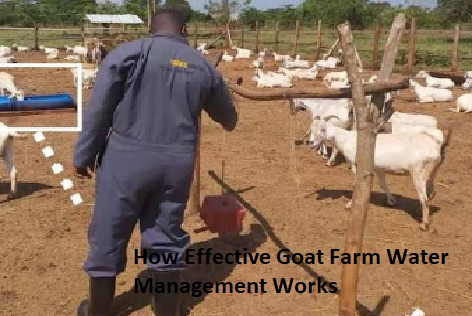
Effective goat farm water management is the backbone of a healthy, productive herd, as these animals are notoriously picky about the cleanliness of their hydration sources. Providing consistent access to high-quality water directly influences milk production, body condition, and the overall resilience of your goats against common health challenges.
By understanding the specific biological needs of your animals and setting up a reliable distribution system, you can reduce labor costs while ensuring your herd stays hydrated throughout the year. This approach transforms a daily chore into a strategic part of your operation’s success.
Daily Water Requirements for Goats
A healthy adult goat typically consumes between 1 and 3 gallons of water per day, depending on factors like ambient temperature, activity level, and whether the animal is lactating. During hot summer months, this intake can easily double, particularly if the goats are grazing on dry forage rather than lush pasture.
Lactating does have significantly higher requirements, as milk is largely composed of water, and insufficient intake will cause a rapid drop in volume. You should always treat these numbers as a minimum baseline rather than an absolute target.
Environmental conditions play a massive role in how much water your herd requires. Goats housed in high-humidity areas or those exposed to direct sunlight for long periods will lose more moisture through respiration and sweating.
If your farm is located in an arid climate, you must account for higher evaporation rates from your troughs, which effectively limits the usable volume available to your goats. Monitor your troughs daily, as a drop in consumption is often the first visible symptom of a health issue, such as a parasite load or an underlying infection.
Selecting the Right Watering Equipment
The choice of container is arguably the most critical decision in your infrastructure planning. While a simple 5-gallon plastic bucket might seem like a budget-friendly option, it is rarely sufficient for a herd of more than two or three animals.
These buckets are prone to tipping, easily contaminated with debris, and require constant refilling, which increases your daily labor significantly. For a more sustainable setup, opt for heavy-duty, UV-resistant rubber troughs that won’t crack under freezing temperatures or intense sun exposure.
Automatic waterers are the gold standard for large-scale operations because they eliminate the risk of the herd running dry during the day. However, these systems require a consistent water pressure and must be cleaned regularly to prevent algae buildup in the valves.
You should prioritize models that feature a removable drain plug, which allows you to flush out sediment without manually scooping out the entire contents. When installing these, ensure they are mounted at a height that prevents kids from accidentally falling in and drowning, usually around 18 to 24 inches off the ground.
Water Quality and Sanitation Practices
Goats are incredibly sensitive to the taste and smell of their water, and they will often refuse to drink from a dirty source even if they are thirsty. This rejection leads to dehydration, which can quickly trigger issues like urinary calculi in bucks or reduced milk yield in does.
You must commit to a cleaning schedule that involves scrubbing troughs with a stiff-bristled brush at least once a week. Avoid using harsh chemical cleaners; a simple mixture of vinegar and water is usually sufficient to remove mineral deposits and algae without leaving toxic residues.
If your farm relies on well water, you should test the mineral content at least once every two years. High levels of iron, sulfur, or manganese can alter the water’s taste enough that goats will avoid it, leading to a noticeable decline in health.
If you detect poor water quality, consider installing a filtration system or a water softener specifically designed for livestock use. Keeping the water source shaded also prevents the growth of bacteria and algae, which thrive in warm, stagnant, and sunlight-exposed water.
Seasonal Management Strategies
Winter presents the most difficult challenge for many producers, as frozen pipes and troughs can leave a herd without access to water for hours. Investing in submersible tank heaters or heated troughs is essential in regions where temperatures frequently drop below freezing.
If you rely on electricity, ensure that all cords are protected by conduit to prevent goats from chewing on them. For off-grid setups, consider insulated tanks or deep-well systems that maintain a consistent temperature through thermal mass.
Summer management requires the opposite approach, focusing on keeping the water cool and preventing evaporation. Position your troughs in areas that receive morning sun but stay shaded during the hottest parts of the afternoon.
You can also add a small amount of shade cloth over the trough area to keep direct sunlight off the water surface. If your water source comes from a shallow pond or stream, be aware that these sources warm up quickly, potentially hosting pathogens that can cause digestive upset in your herd.
Infrastructure Comparison Table
Choosing the right watering system depends on your herd size, climate, and available infrastructure. The following table compares common options used on modern goat farms to help you decide which setup aligns with your specific operational needs.
| System Type | Best For | Maintenance Level | Cost Estimate |
|---|---|---|---|
| 5-Gallon Bucket | Small herds (1-3 goats) | High (Daily) | Low ($10-$20) |
| Stock Tank (Manual) | Medium herds (5-15 goats) | Medium (Bi-weekly) | Moderate ($50-$150) |
| Automatic Trough | Large herds (20+ goats) | Low (Monthly) | High ($200-$500) |
| Gravity-Fed System | Remote pastures | Low (Periodic) | Moderate ($100-$300) |
Managing Water for Different Life Stages
Different groups within your herd have specific hydration needs that you should manage separately if possible. For instance, growing kids need consistent access to clean water to support rapid bone and muscle development.
If they have to compete with dominant, larger adults for space at the trough, they may not drink enough, leading to stunted growth. Consider placing a smaller, secondary trough in a creep-feeding area where only the kids can access it.
Bucks and wethers require specific attention to their water intake to prevent the formation of urinary calculi. This condition is often exacerbated by mineral imbalances in the water or by the animal refusing to drink enough due to poor water quality.
Ensure that the water provided to these groups is free of excessive calcium and that they always have access to a salt block to encourage thirst. Monitoring the water consumption of your bucks is a vital, proactive step in preventing costly veterinary emergencies.
Common Water-Related Health Risks
Contaminated water is a primary vector for diseases like coccidiosis and various internal parasites, which can decimate a herd’s productivity. If your goats have access to ponds or standing water in pastures, you are significantly increasing the risk of exposure to liver flukes and other water-borne pathogens.
Fence off natural water sources and provide clean, pumped water to eliminate these risks entirely. You can learn more about managing livestock health through resources provided by the USDA Animal and Plant Health Inspection Service.
Another often overlooked issue is the presence of heavy metals or agricultural runoff in water sources. If your farm is near a crop field, pesticides or fertilizers can leach into the groundwater, poisoning your herd over time.
Regularly inspect your plumbing for leaks or rust, as old galvanized pipes can introduce high levels of zinc or lead into the water supply. A proactive approach to water safety is far cheaper and more effective than treating a sick animal after it has consumed tainted water for weeks.
Essential Supplies for Your Watering System
Equipping your farm correctly from the start will save you hundreds of hours in labor and prevent many common headaches. You should keep a small inventory of spare parts for your watering system, as valves and hoses will inevitably fail at the most inconvenient times. Having a backup plan for when the power goes out or the main pump fails is also a hallmark of a well-prepared goat farmer.
Your basic toolkit for maintaining an efficient watering system should include:
- A stiff-bristled scrub brush for cleaning troughs.
- Spare float valves for all automatic waterers.
- Plumber’s tape to seal threaded connections and prevent leaks.
- A water quality testing kit to check for pH and mineral content.
- Insulated pipe covers for exposed plumbing during the winter.
- A reliable, high-capacity water hose with a spray nozzle for quick cleaning.
Frequently Asked Questions
Can goats drink out of a 5-gallon bucket?
Yes, goats can drink from a 5-gallon bucket, but it is generally only suitable for a very small number of animals. These buckets are easily tipped over, which leads to wasted water and wet bedding. If you use them, you must secure the bucket to a wall or fence so the goats cannot knock it over while playing or rubbing against it.
Why do some farmers put baking soda in goat water?
Baking soda is sometimes added to a separate container of water or offered free-choice to help goats regulate their rumen pH. It is not intended to be a primary water source, but rather a digestive aid that helps prevent acidosis. You should never force a goat to drink water treated with additives unless directed by a veterinarian.
How often should I clean a goat water trough?
You should scrub and rinse your troughs at least once a week to prevent the accumulation of biofilm and algae. If you notice the water becoming murky or developing a smell, you need to clean it immediately. In the heat of summer, more frequent cleanings may be necessary to ensure the water stays fresh and appealing.
What is the best material for a goat water trough?
Food-grade, heavy-duty plastic or rubber is typically the best choice for goat troughs. These materials are durable, easy to clean, and do not rust like metal troughs, which can leach iron into the water. Avoid using old bathtubs or metal drums that may have been used for chemicals, as these can be toxic to your animals.
How can I tell if my goats are not drinking enough water?
Signs of dehydration in goats include sunken eyes, dry or tacky gums, and a lack of energy. You can also perform a skin pinch test; if the skin stays tented rather than snapping back into place, the goat is likely dehydrated. A sudden decrease in milk production or a drop in feed intake are also reliable indicators that the herd is not consuming enough water.
Conclusion
Mastering the nuances of goat farm water management is one of the most effective ways to improve the health and efficiency of your herd. By providing clean, accessible water, you support everything from milk production to the long-term vitality of your animals. While the initial setup requires careful planning regarding infrastructure and equipment, the return on investment is found in reduced veterinary costs and more consistent performance across your entire operation.
Take the time to assess your current setup, identify potential weak points in your distribution, and implement a regular sanitation schedule. Small adjustments, such as moving a trough into the shade or upgrading to an automatic valve, can make a significant difference in your daily workload.
If you have questions about specific water quality issues in your region, contact your local agricultural extension office for advice tailored to your climate. Keep your water clean, your equipment maintained, and your goats will thrive.
