

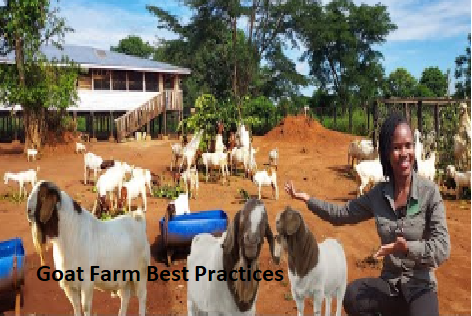
Implementing effective goat farm best practices is the foundation for a sustainable and profitable livestock operation. Whether you are managing a small homestead herd or scaling up to a commercial enterprise, your success hinges on animal health, nutritional management, and infrastructure planning. By focusing on these core areas, you can minimize disease risks and maximize your output of milk, meat, or fiber.
The primary question for most producers concerns the initial capacity: how many acres do you need to raise 100 goats? While industry standards vary based on climate and vegetation, a common rule of thumb is to allocate 0.5 to 1 acre per 10 goats for rotational grazing.
This means you should aim for 5 to 10 acres to support a herd of 100 animals without overgrazing your pastures. If you rely solely on supplemental hay and grain, you can get by with less land, but you must invest more in manure management and infrastructure to prevent parasite buildup.
Strategic Grazing and Pasture Management
Rotational grazing is the gold standard for maintaining healthy soil and parasite-free goats. By dividing your property into smaller paddocks, you allow pastures to recover while keeping goats on fresh forage. This practice significantly reduces the worm load in your soil because the life cycle of most internal parasites is interrupted.
Move your herd to a new paddock every 3 to 7 days, depending on the height of the grass. You want to move them before they graze the vegetation down to the soil level, which is where parasite larvae typically reside. This simple rhythm keeps your animals healthier and extends the life of your pasture, saving you thousands in annual feed costs.
Nutritional Essentials and Supplementation
Goats are browsers, not grazers, meaning they prefer brush, weeds, and tree leaves over standard lawn grass. You must balance their diet with high-quality hay during the winter months or periods of drought. Providing a free-choice mineral block is non-negotiable for preventing deficiencies in copper, selenium, and zinc.
Why give baking soda to goats? It acts as a natural buffer for their rumen, helping to prevent acidosis when they consume high-energy feeds like grain or lush clover. Keep a small, dry container of plain baking soda available at all times, as goats are excellent at self-regulating their intake based on their digestive needs.
Infrastructure and Housing Requirements
Your housing must provide a dry, draft-free environment with adequate ventilation. Goats are notoriously sensitive to moisture and respiratory issues, so prioritize airflow at the top of the barn rather than at floor level. A simple three-sided shed is often sufficient if it faces away from prevailing winds.
Fencing is perhaps the most significant investment you will make in your facility. Woven wire fencing with a minimum height of 48 inches is recommended to keep predators out and goats in. For those interested in the technical aspects of herd management, the eXtension Foundation provides comprehensive resources on livestock biosecurity and facility design.
Managing Herd Health and Parasites
The most difficult thing about raising goats is often the management of internal parasites, particularly Haemonchus contortus, or the barber pole worm. You should implement the FAMACHA system, which involves checking the color of the eyelid mucosa to determine which animals need deworming. This selective treatment approach prevents the development of drug-resistant parasites on your farm.
Keep a detailed health log for every individual animal in your herd. Record vaccination dates, hoof trimming schedules, and any treatments administered for illness. This data helps you identify which animals are the most resilient and which ones might be costing you more in veterinary bills than they provide in value.
Financial Considerations and Profitability
Is owning a goat farm profitable? The answer depends heavily on your business model—whether you focus on dairy, meat, or fiber production. Meat goat production often requires less daily labor than dairy, but the margins per animal can be thinner.
| Category | Estimated Annual Cost per Head | Revenue Potential per Head |
| :— | :— | :— |
| Meat Goats | $150 – $200 | $250 – $350 |
| Dairy Goats | $300 – $450 | $500 – $800 |
| Fiber Goats | $100 – $150 | $200 – $400 |
As shown in the table above, dairy operations offer higher revenue but require significantly more investment in equipment and time. Always calculate your break-even point before investing in expensive breeding stock. Start small to learn the nuances of your local market before expanding your herd size.
Breeding and Genetic Selection
Selective breeding is the fastest way to improve the quality of your herd over time. Focus on traits like milk yield, weight gain, and disease resistance rather than just physical appearance. Keep records of birth weights and weaning weights to identify your most efficient breeders.
* Select for strong mothering instincts to reduce kid mortality.
* Prioritize animals that maintain good body condition on forage alone.
* Cull animals that require frequent veterinary intervention or have poor structural conformation.
* Introduce new, unrelated bucks every two years to prevent inbreeding depression.
Biosecurity and Disease Prevention
Protecting your farm from outside disease is a critical component of goat farm best practices. Always quarantine new animals for at least 30 days before introducing them to your main herd. This period allows you to observe them for signs of contagious illnesses like Caseous Lymphadenitis or Caprine Arthritis Encephalitis.
Use dedicated footwear or footbaths when entering and leaving your barn areas to avoid tracking pathogens between paddocks. Keep your perimeter fencing secure to prevent contact with neighboring livestock that may carry unknown health issues. These simple, consistent habits are far cheaper than the cost of treating an outbreak within your established herd.
Record Keeping and Daily Operations
Successful farmers treat their operation like a business, not a hobby. Maintain a digital or paper ledger that tracks every expense, from feed and medicine to fencing repairs and equipment depreciation. Review these records quarterly to identify where you are spending too much and where you could be more efficient.
Standardize your daily chores to ensure nothing is missed during busy seasons like kidding. Creating a checklist for morning and evening routines ensures that water troughs are checked, mineral feeders are full, and every animal is accounted for. Consistency reduces stress for the animals, which in turn leads to better production and lower mortality rates.
Frequently Asked Questions
How do I know if my goats are getting enough nutrition?
You can assess their body condition score by feeling the amount of fat and muscle covering the ribs and spine. A healthy goat should have a score of 3 out of 5; if you can easily feel individual ribs or if the spine is sharp, the animal is likely underweight.
What is the most effective way to handle predator control?
Using livestock guardian dogs is the most reliable method for protecting a herd in open pastures. Ensure your dogs are properly trained and bonded with the goats from a young age to prevent them from playing too roughly or harassing the kids.
How often should I trim goat hooves?
Hoof maintenance depends on the terrain; goats on rocky ground naturally wear their hooves down, while those on soft pasture need trimming every 6 to 8 weeks. Overgrown hooves can lead to foot rot and lameness, so check them regularly during your general health inspections.
Can I raise goats and sheep together?
It is possible, but you must be careful because sheep are highly sensitive to copper, which is essential for goats. You will need to find a balance in your mineral supplementation that provides enough copper for the goats without poisoning the sheep.
What are the primary signs of a sick goat?
Watch for lethargy, separation from the herd, a dull coat, or a change in appetite. If a goat stops chewing its cud or shows signs of diarrhea, you should isolate it immediately and contact a veterinarian to determine the cause.
Conclusion
Adopting consistent goat farm best practices is a journey of continuous learning and careful observation. By prioritizing rotational grazing, strict biosecurity, and data-driven management, you create an environment where your animals can thrive and your business can remain financially viable. Remember that the health of your soil and the quality of your infrastructure will ultimately dictate the success of your herd.
Start with a manageable number of animals, focus on mastering the basics of nutrition and preventative care, and expand only when your systems are running smoothly. If you remain disciplined in your daily routines and keep thorough records, you will find that raising goats is a rewarding and sustainable endeavor. Reach out to local agricultural extension offices or experienced producers in your area to build a support network as you grow your operation.
