

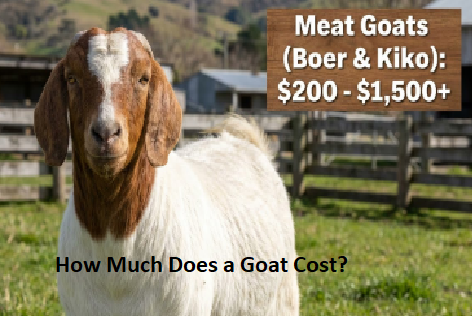
Deciding how much does a goat cost requires looking at more than just the initial purchase price, as the animal’s breed, age, and purpose significantly influence your starting investment. Whether you are seeking a companion pet, a milk producer, or a brush-clearing asset, understanding these variations prevents surprises when you head to the auction or breeder. This article provides a breakdown of market prices and the ongoing financial commitments you should anticipate.
If you are wondering exactly how much does a goat cost, you can expect to pay anywhere from $100 to $600 for a standard, healthy animal. At the lower end, you will find wethers—neutered males—or mixed-breed goats sold for meat or as pets. High-end prices reach into the $1,000 to $2,500 range for registered, high-quality dairy breeds with champion bloodlines or rare, exotic varieties.
Initial Purchase Price Variables
The price tag for a goat is rarely a flat fee because breeders set rates based on pedigree and utility. A commercial-grade goat meant for clearing brush will naturally be cheaper than a registered doe with a proven milking record. You should view the initial cost as an investment in the animal’s genetic potential and health history.
Age plays a massive role in the final transaction price. Kids—young goats under six months—are generally cheaper to buy but come with the burden of higher initial veterinary needs like vaccinations and disbudding. Mature does that are already in milk are priced at a premium because they provide an immediate return on investment for the buyer.
Geography also dictates the market value of livestock in your region. In areas with high demand for small-scale agriculture, prices remain firm due to local competition.
Conversely, in rural zones where goats are abundant, you might find lower prices at local livestock auctions. Always check the USDA Livestock Market News to see current regional trends in your state.
Market Price Comparison Table
Understanding the spectrum of pricing helps you set a realistic budget before you start searching for your animals. The following table illustrates estimated market ranges based on the intended use and genetic status of the goat.
| Goat Category | Estimated Price Range |
|---|---|
| Grade (Unregistered) Wether | $100 – $250 |
| Grade Dairy Doe | $250 – $450 |
| Registered Breeding Buck | $500 – $1,200 |
| Show-Quality Purebred | $800 – $2,500+ |
| Miniature Breeds (Pet quality) | $300 – $600 |
Breeds and Their Impact on Cost
Different breeds carry different price tags based on their specific utility and popularity. Nigerian Dwarf goats, for example, have exploded in popularity as urban pets and small-farm milkers, which often drives their price up. You will often pay more for a registered Nigerian Dwarf because of the record-keeping and vetting involved in maintaining breed standards.
Boer goats are the gold standard for meat production, and their price reflects their rapid growth rate and muscle density. A quality Boer buck can be a significant expense, but breeders justify the cost by the higher market price of the offspring. If your goal is meat production, you are paying for the efficiency of the genetics.
Dairy breeds like Nubians or Alpines are priced based on their milk production records. If you buy a doe from a dam that produces a gallon of milk a day, the price will be significantly higher than a goat with no recorded production history. Always ask for documentation regarding the health and output of the parents before finalizing a purchase.
Essential Setup and Housing Expenses
Buying the goat is only the first part of your financial commitment. You must prepare a secure environment, which includes fencing, shelter, and basic handling equipment. A sturdy, predator-proof fence is non-negotiable and can easily cost $500 to $1,500 depending on the size of the enclosure.
Shelter does not need to be an architectural masterpiece, but it must be dry and draft-free. A simple three-sided shed can be built for a few hundred dollars if you use repurposed materials or DIY construction. If you purchase a pre-built shed, the cost will rise to $1,000 or more.
Basic equipment for goat care includes troughs, mineral feeders, and hay racks. You will also need transport gear, such as a sturdy crate or a trailer, if you plan to move the animals frequently. These items are often overlooked in the initial budget but are vital for the daily management of the herd.
Recurring Monthly Maintenance Costs
Goats require consistent nutrition to remain healthy and productive, which creates a steady monthly expense. A single goat typically consumes 2 to 4 pounds of high-quality hay per day, alongside access to loose minerals and clean water. Depending on your local feed prices, you should budget roughly $40 to $80 per month for feed and supplies per animal.
Medical maintenance is another recurring, often unpredictable, cost. Goats require regular hoof trimming, deworming, and vaccinations against common diseases like enterotoxemia and tetanus. You should set aside an emergency fund of at least $200 per year per goat to cover unexpected vet visits or specialist medications.
Supplies like bedding—straw or wood shavings—also add up over the winter months. If you live in a climate with long, cold winters, your hay consumption will increase significantly. Always maintain a buffer in your budget to account for seasonal fluctuations in feed costs.
Factors That Increase Your Total Investment
Registered goats are almost always more expensive than unregistered or “grade” goats. Registration papers provide a documented history that allows you to trace the lineage and potential health issues of the animal. If you plan to breed or show your goats, this documentation is a necessary expense that adds value to your stock.
Health testing is another factor that influences the price of a reputable breeder’s herd. Responsible owners test for diseases like Caprine Arthritis Encephalitis (CAE), Caseous Lymphadenitis (CL), and Johne’s disease. While these tests are an added cost for the breeder, they protect you from buying an animal that could ruin your entire herd’s health.
Transporting your new goats can be a hidden cost that adds up quickly. If you do not have a trailer, you may need to pay a livestock hauler to bring the animals to your farm. Long-distance transport can add $100 to $500 to your final cost depending on the distance and the number of animals.
Common Mistakes When Budgeting
Many beginners focus too much on the purchase price and neglect the long-term cost of care. A cheap goat from an unknown source might save you money on day one but lead to expensive veterinary bills later. Always prioritize the health of the animal over the initial price tag.
Neglecting to buy a companion is a common error that leads to stressed, destructive animals. Goats are herd creatures and should never be kept in isolation. You must budget for at least two goats, which effectively doubles your feed and housing costs right from the start.
Failing to research local zoning laws can result in fines or the forced removal of your animals. Some municipalities require specific permits or have strict rules regarding the number of livestock allowed per acre. Factor in the cost of permits and potential legal fees when calculating your total setup investment.
Frequently Asked Questions
Is it expensive to keep goats as pets?
Keeping goats as pets involves ongoing costs for high-quality forage, loose minerals, and routine veterinary care. While they are cheaper than dogs in some respects, they require a secure enclosure and at least one companion, which adds to the overhead. Expect to spend at least $50 to $100 per month per pair of goats once they are settled.
Do I need a special license to own a goat?
Most rural areas do not require a license, but you must check your local zoning ordinances. Some cities or suburban areas have strict animal control laws that mandate permits for livestock. Failure to check these rules before bringing a goat home can lead to significant legal trouble.
How much does it cost to feed a goat per month?
Feeding a single goat typically costs between $30 and $60 per month depending on the quality of hay and whether you provide supplemental grain. Hay prices vary by region and season, so buying in bulk during the harvest season is the best way to control these costs.
Are goats worth the money to raise for milk?
Raising goats for milk can be cost-effective if you manage your feed efficiently and maintain a healthy, productive herd. You save money on store-bought dairy, but you must factor in the time spent milking, cleaning, and managing the animals. It is generally a labor-of-love project rather than a massive profit-making venture for small-scale owners.
Can I buy a cheap goat at a livestock auction?
Auctions are a common place to find affordable livestock, but they carry risks. You may find goats for as low as $75 to $150, but these animals often lack health history and may have behavioral issues. Always inspect the animal’s eyes, coat, and movement before bidding to avoid purchasing a sick or neglected goat.
Final Thoughts on Goat Ownership
Determining how much does a goat cost is the first step toward responsible animal husbandry. While you might find individual animals for a few hundred dollars, the true cost lies in the daily commitment to their health, shelter, and nutrition. By planning for both the initial purchase and the recurring monthly expenses, you ensure a better life for your animals and a more rewarding experience for yourself.
Start by surveying local breeders and attending livestock auctions to get a feel for the market in your area. Look for healthy, well-cared-for animals and never hesitate to ask for veterinary records.
Once you have a firm grasp of your budget and the space required, you will be well-prepared to bring your first goats home. Feel free to reach out to local agricultural extension offices for more specific advice on regional goat care standards.
