

The Sirohi goat represents one of the most resilient and economically viable livestock breeds found in the arid regions of India. Originating from the Sirohi district of Rajasthan, these animals are highly sought after by pastoralists and commercial farmers for their exceptional adaptability and meat production capabilities.
If you are looking for a breed that thrives in harsh climates with minimal intervention, understanding the biological and financial profile of this goat is essential. This article provides a deep look into why this breed remains a staple in rural economies and how you can evaluate its potential for your own agricultural operations.
The average adult Sirohi goat typically weighs between 40 and 60 kilograms, with mature bucks often reaching the higher end of that spectrum. In terms of market price, a healthy, well-fed adult male can fetch anywhere from 15,000 to 30,000 Indian Rupees depending on its age, weight, and overall physical condition.
These figures fluctuate based on local demand during festive seasons, such as Eid, when the demand for high-quality meat animals peaks. For farmers, the primary financial appeal lies in the rapid growth rate of the kids, which can reach marketable weight within 9 to 12 months under proper management.
Physical Characteristics and Breed Standards
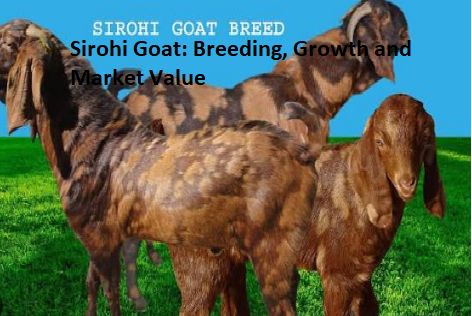
The physical appearance of the Sirohi breed is distinct, making them easy to identify in a mixed herd. They are medium-sized animals with a compact body and a generally convex facial profile.
Their ears are typically leafy and drooping, which is a hallmark trait of many goat breeds in the Rajasthan region. You will notice that their coat is usually brown or white with dark brown patches, though solid colors do occur occasionally.
When assessing the quality of a Sirohi goat, examine the skeletal structure closely. A standard adult exhibits a strong, sturdy frame that supports its weight effectively during long treks for grazing.
Their skin is covered in coarse, short hair, which helps them dissipate heat efficiently in the intense desert sun. This physiological adaptation is a key reason why they maintain body weight even when forage quality is poor.
The horns of this breed are typically curved and directed upward and backward. These horns serve as a secondary identifier for breeders who maintain strict pedigree standards.
A well-bred animal should demonstrate a balanced conformation, with a deep chest and a straight backline. These traits are not merely for show; they directly correlate to the animal’s overall health and its ability to resist common diseases.
Adaptability to Arid Environments
The survival instinct of the Sirohi goat is arguably its most valuable asset for farmers in western India. These animals have evolved to thrive in temperatures that would stress more sensitive breeds, such as those imported from temperate climates.
They are browsers by nature, preferring to eat leaves from shrubs and trees rather than just grazing on grass. This dietary flexibility allows them to find nutrition in landscapes where other livestock would struggle.
Water efficiency is another critical factor in their success. These goats can endure longer intervals between watering sessions without suffering from severe dehydration or metabolic decline.
This trait is particularly beneficial for nomadic herders who traverse vast distances across the Thar Desert. Their metabolism is highly efficient at processing fibrous, low-moisture feed, turning sparse forage into lean muscle mass.
Beyond their physical resilience, they possess a strong immune system. They are notably resistant to common parasitic infections and respiratory issues that frequently plague goat farms in humid conditions.
By choosing this breed, you reduce the expenditure on veterinary care and medication. Their ability to remain productive under minimal oversight makes them an ideal choice for low-input farming models.
Growth Milestones and Feeding Requirements
Achieving optimal weight gain requires a structured approach to nutrition, even though the breed is hardy. A newborn kid typically weighs between 2.5 and 3.5 kilograms at birth.
With adequate colostrum intake and high-quality supplementary feed, you can expect a steady growth rate of 100 to 150 grams per day during the first few months. This early growth phase is critical for the long-term productivity of the animal.
While they can survive on free-range grazing, intensive commercial farming yields better results through stall-feeding or a semi-intensive system. Providing a balanced ration containing grains, protein-rich cakes, and green fodder accelerates the development of muscle.
You should aim to supplement their diet during the dry season when natural forage is scarce. The following table outlines the approximate growth targets for a well-managed Sirohi herd.
| Growth Stage | Average Weight (kg) | Feeding Focus |
|---|---|---|
| Birth | 3.0 kg | Colostrum and mother’s milk |
| 3 Months | 12-15 kg | Creep feeding and greens |
| 6 Months | 22-25 kg | Concentrate mix and grazing |
| 12 Months | 40+ kg | High-protein finish feed |
Reproductive Performance and Breeding
The reproductive cycle of the Sirohi goat is highly efficient, contributing to the profitability of the breed. They reach sexual maturity at approximately 9 to 10 months of age.
A healthy doe can produce two kids in a single kidding, though single births are also common. With a gestation period of roughly 150 days, a well-managed herd can achieve a kidding interval of about eight to nine months.
Selection criteria for breeding stock should prioritize both fecundity and growth rates. Always select a buck that shows signs of high vigor and has a proven track record of producing healthy, fast-growing offspring.
Avoid inbreeding within your herd to prevent the accumulation of genetic defects that can lower overall productivity. Maintaining a clean line of pedigree ensures that your stock maintains the high market value associated with the breed.
To maximize your output, monitor the heat cycles of your does closely. Implementing a controlled breeding program allows you to cluster births, which simplifies the management of newborns.
Providing a sheltered, clean area during the kidding season significantly reduces mortality rates among kids. Proper maternal care during the first few days of life is the most effective way to ensure the survival of the next generation.
Management Practices for Commercial Success
Operating a successful farm requires more than just high-quality animals; it demands a disciplined management strategy. Cleanliness in the housing area is non-negotiable to prevent the buildup of ammonia and the spread of skin diseases.
Ensure that the floor of the shelter is elevated or designed for easy drainage to keep it dry. A wet floor is a primary source of foot rot and other common goat ailments.
Disease prevention is more cost-effective than treatment. Establish a vaccination schedule for common diseases like Peste des Petits Ruminants (PPR) and enterotoxemia.
According to resources from the Indian Council of Agricultural Research, regular deworming is essential to maintain the digestive efficiency of the goats. Work with a local veterinarian to create a schedule tailored to your specific region and the prevalence of local pathogens.
Marketing your stock effectively is the final piece of the puzzle. Build relationships with local butchers, traders, and other breeders to ensure a steady stream of buyers.
If you are producing meat, timing your harvest with festivals or periods of high demand will significantly increase your profit margins. Keep detailed records of weights and costs to understand exactly which animals are providing the best return on investment.
Common Challenges and Mitigation Strategies
Even a hardy breed like the Sirohi goat is not immune to challenges. Predator control is a significant concern for free-range herds, especially in rural areas where leopards or wild dogs may be present.
Investing in secure, predator-proof fencing is a necessary capital expenditure for long-term security. If total confinement is not possible, using guardian dogs or increased shepherd presence can mitigate these risks.
Nutritional deficiencies can occur if the goats are limited to a single source of feed. Ensure that your mineral licks are always available to provide essential trace elements that might be missing from the local forage.
If the animals appear lethargic or show signs of poor coat condition, it is often an indicator of a mineral imbalance. Correcting this early prevents long-term health issues and ensures consistent weight gain.
Market volatility is another variable that every farmer must navigate. Prices for live animals can shift suddenly based on feed costs and regional supply.
Diversifying your operation by selling both meat and breeding stock can help stabilize your income. By maintaining a professional reputation as a breeder, you can command premium prices for your animals regardless of short-term market fluctuations.
Frequently Asked Questions
What is the typical lifespan of a Sirohi goat?
A healthy Sirohi goat under good management conditions can live for 10 to 12 years. However, their peak productive years for breeding and meat production usually fall between the ages of 2 and 6 years.
Are these goats suitable for stall-feeding?
Yes, they are highly adaptable to stall-feeding systems. While they are natural browsers, they perform exceptionally well in intensive systems when provided with a balanced diet of concentrated feed and high-quality roughage.
How do I distinguish a purebred Sirohi goat from a crossbreed?
Purebreds exhibit specific traits, including the characteristic leafy, drooping ears, a compact body, and the typical brown or white coat with dark spots. It is best to purchase stock from reputable breeders who maintain pedigree records to ensure you are getting genuine genetics.
What is the best way to prevent common diseases in my herd?
The best approach involves a combination of strict biosecurity, a consistent vaccination schedule, and regular deworming. Keeping the living quarters dry, well-ventilated, and clean is the most effective way to prevent the majority of common goat health issues.
Can these goats be raised in humid or high-rainfall areas?
While the breed is native to arid regions, they can survive in other climates if their housing is kept dry. High humidity poses a risk for hoof rot and respiratory infections, so you must ensure proper drainage and ventilation in your shelter to compensate for the environmental difference.
Conclusion
The Sirohi goat stands out as a reliable and profitable choice for farmers looking to enter the livestock sector. Its natural hardiness, combined with its impressive growth rate, makes it a cornerstone of sustainable agriculture in many regions. By focusing on consistent nutrition, preventative health care, and smart breeding practices, you can maximize the value of your herd.
Whether you are starting with a small flock or scaling up to a larger commercial operation, the principles of patience and rigorous management remain the same. Investing time in understanding the specific needs of your animals will pay off in the long run. As you continue your journey in livestock farming, remember that the success of your Sirohi goat operation relies on the quality of the foundation you build today.
