

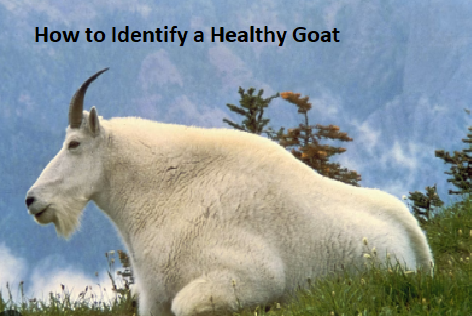
Learning how to identify a healthy goat begins with observing the animal’s baseline behavior, posture, and physical condition. A vibrant goat is alert, interested in its surroundings, and maintains a consistent routine throughout the day. By paying attention to subtle cues like coat quality, eye clarity, and appetite, you can quickly distinguish a thriving animal from one that may be struggling with underlying health issues.
This process of assessment is essential for any owner looking to maintain a productive and happy herd. Understanding these indicators early helps you intervene before minor concerns escalate into serious medical emergencies.
The Primary Indicators of Physical Health
When you approach a goat, the first thing to check is its general alertness and posture. A healthy goat should stand squarely on all four legs, appearing balanced and ready to move. If an animal is constantly hunching its back or separating itself from the rest of the herd, this is a red flag.
You should also observe how the goat interacts with others. Social interaction is a hallmark of a thriving animal, as goats are inherently herd-oriented creatures.
The eyes and ears provide immediate feedback regarding the animal’s internal state. Bright, clear eyes that are free of excessive discharge indicate a strong immune system. The ears should move frequently to track sounds, showing that the goat is aware of its environment.
If the ears are droopy or the goat seems unresponsive to noises, it may be suffering from fever or lethargy. Always compare the goat you are inspecting to the rest of your group to gauge what is normal for your specific environment.
Assessing Body Condition and Weight
You cannot rely on sight alone to determine if a goat is at a proper weight. Because goats have thick coats, visual inspection often hides the true amount of flesh covering their frame.
You must perform a hands-on assessment, often called a body condition score, to feel the animal’s ribs and spine. A healthy goat should have a layer of fat over its bones, but it should not be obese or severely emaciated.
Use your fingers to press gently along the backbone and the ribs just behind the shoulder blades. You should be able to feel the bones with light pressure, but they should not feel sharp or prominent. If the spine feels like a serrated knife edge, the goat is likely suffering from malnutrition or a heavy parasite load.
Conversely, if you cannot feel the ribs at all, the goat may be carrying too much weight, which can lead to metabolic issues. Maintaining a balanced weight is crucial for long-term health and reproductive success.
Monitoring Coat and Skin Quality
The condition of a goat’s hair or fleece is a direct reflection of its nutritional status and parasite management. A healthy coat should be smooth, shiny, and lie flat against the body.
If the hair appears dull, brittle, or stands up in patches, it often indicates a deficiency in minerals or a high burden of internal parasites. Goats that spend time rubbing against fences or trees to relieve itching are frequently dealing with external pests like lice or mites.
Skin should be supple and pink or pigmented, depending on the breed, without signs of crusting or scabs. When you part the hair, the skin underneath should look clean and free of inflammation.
If you notice patches of missing hair, you should investigate the area for fungal infections or parasitic activity immediately. A healthy animal will groom itself regularly, keeping its coat relatively clean despite the natural environment of a barn or pasture.
The Importance of Mucous Membranes
Checking the mucous membranes is one of the most reliable ways to identify a healthy goat, especially when screening for anemia caused by parasites. The color of the inside of the eyelid is the standard indicator used by many breeders.
You should gently pull down the lower eyelid to inspect the conjunctiva. A healthy goat will have a deep, vibrant pink or red color in this area.
If the tissue appears pale pink, white, or grey, the goat is likely anemic and requires immediate veterinary attention. This check is often performed using the FAMACHA scoring system, which helps producers manage barber pole worm infections in sheep and goats.
Never ignore a pale eyelid, as it is often the most significant sign of a life-threatening parasite infestation. Regularly checking these membranes ensures you catch internal health declines before the animal becomes too weak to recover.
Digestion and Dropping Patterns
A goat’s digestive system is the engine of its health, and its output tells a consistent story. Healthy goats produce firm, round, pellet-like droppings that are dark in color.
If you notice that the droppings are clumped together like a soft mass or are entirely liquid, the goat is experiencing digestive distress. This can be caused by dietary changes, toxic plants, or severe parasitic infections.
You should also monitor the goat’s cud-chewing behavior, as this is a vital part of their ruminant nature. A healthy goat will spend a significant portion of its downtime chewing its cud in a rhythmic, calm manner.
If you notice a goat that is constantly standing but not chewing its cud, it may be suffering from bloat or a digestive blockage. Always observe the animal during feeding times to ensure it has a robust appetite and is competing for food at the same level as its peers.
Standard Health Metrics Table
To help you standardize your observations, refer to the following table of normal physiological ranges for a healthy adult goat. These figures represent the typical baseline for an animal that is not under stress.
| Metric | Normal Range |
|---|---|
| Temperature | 101.5°F – 103.5°F |
| Heart Rate | 70 – 80 beats per minute |
| Respiration Rate | 15 – 30 breaths per minute |
| Rumen Contractions | 1 – 2 per minute |
Behavioural Cues and Herd Dynamics
Goats are highly social creatures, and their behavior within the herd is a major indicator of their overall well-being. A healthy goat will engage in play, hierarchy establishment, and group movement.
If a goat is consistently isolated, it is often a sign that the animal is feeling unwell or is being bullied due to a perceived weakness. You should watch for signs of social withdrawal, such as a goat that stays in the barn when the rest of the herd is out grazing.
Pay attention to the way the animal moves, as lameness is a common health issue that can lead to rapid weight loss. A healthy goat walks with a fluid, coordinated gait and shows no signs of limping or favoring a specific limb.
Check the hooves periodically to ensure they are trimmed correctly and free of rot or abscesses. Hoof health is often overlooked, but it is one of the most frequent causes of discomfort and poor mobility in domestic goats.
Key Maintenance Checklist
Maintaining the health of your goats involves a proactive schedule rather than just reacting to illness. By keeping a consistent record, you can identify trends in your herd’s health and make informed management decisions. Below are the essential tasks you should integrate into your routine to ensure your goats remain in peak condition.
- Perform monthly body condition scoring to track weight changes.
- Inspect hooves every 6 to 8 weeks and trim as necessary.
- Monitor FAMACHA scores for all goats at least once a month during grazing season.
- Keep a log of all vaccinations and deworming treatments administered.
- Provide free-choice minerals designed specifically for caprine needs.
- Ensure constant access to clean, fresh water to prevent urinary calculi.
Frequently Asked Questions
How often should I check my goat’s temperature?
You only need to check a goat’s temperature if you suspect it is ill or if it is showing signs of lethargy. A normal, healthy goat does not require daily temperature checks, as this can cause unnecessary stress to the animal.
What does it mean if my goat is grinding its teeth?
Teeth grinding in goats is a classic sign of pain or severe discomfort. If you hear this sound, perform a full physical assessment immediately to look for signs of injury, bloat, or digestive distress.
Is it normal for a goat to have a runny nose?
A small amount of clear discharge can be normal in dusty conditions, but thick, colored, or constant discharge is abnormal. If the discharge is green or yellow, it often indicates a respiratory infection that requires treatment.
Can I tell if a goat is healthy just by looking at its tail?
A healthy goat usually carries its tail in a neutral or slightly elevated position. If the tail is tucked tightly between the legs for an extended period, it can indicate pain or a submissive, fearful state caused by illness.
How do I know if my goat is drinking enough water?
A healthy goat should have a moist mouth and firm, pellet-like droppings. If the mouth appears dry or the droppings are extremely hard and small, the goat may be dehydrated and needs access to fresh, clean water immediately.
Maintaining Long-Term Herd Health
Identifying a healthy goat is a continuous process of observation and documentation that rewards the diligent owner. By familiarizing yourself with the normal physical parameters and behavioral patterns of your animals, you become better equipped to spot deviations early.
Remember that healthy goats are the result of consistent nutrition, clean living conditions, and proactive parasite management. When you invest time in these daily checks, you reduce the risk of expensive veterinary interventions and ensure your animals lead productive lives.
If you are ever in doubt about the health of a specific animal, it is always better to consult with a veterinarian who specializes in small ruminants. They can provide professional guidance tailored to your specific breed and local environment.
Keeping your herd healthy requires a commitment to detail, but the results are clear in the vitality and longevity of your animals. As you continue to refine your skills in identifying a healthy goat, you will find that your confidence as a producer grows alongside the well-being of your herd.
