

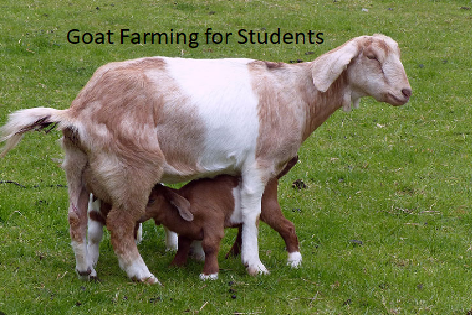
Exploring goat farming for students offers a unique blend of agricultural education and potential financial independence. Many young entrepreneurs find that starting with a small herd provides a manageable entry point into the livestock industry while teaching essential lessons about animal husbandry, supply chain management, and market analysis.
Starting Herd Size and Initial Requirements
For a beginner, the ideal herd size is generally between two and five goats.
Starting small allows you to learn the basics of health, nutrition, and behavior without becoming overwhelmed by the labor demands of a larger operation. Goats are herd animals, meaning you should never keep a single goat, as they will become stressed and prone to escaping.
You will need approximately one-eighth of an acre per goat if you plan to rely solely on pasture grazing. If you are using a dry-lot system where you provide hay and feed, the space requirement drops significantly, though you must account for adequate shelter and fencing. A basic shed that is dry, draft-free, and well-ventilated is mandatory to protect against respiratory issues.
Proper fencing is the most critical infrastructure investment for any student farmer. Woven wire fencing, often called “no-climb” fencing, is the gold standard for keeping goats contained and predators out. You should budget for a fence height of at least 48 inches to prevent jumping, especially if you are raising athletic breeds like Alpine or Toggenburg goats.
Selecting the Right Breed for Beginners
The ease of management depends heavily on your choice of breed.
Nigerian Dwarf goats are often recommended for students because of their small size, manageable temperament, and high butterfat milk production. They are easier to handle physically and require less feed than standard-sized dairy breeds.
If your goal is meat production, Kiko or Boer goats are common choices due to their rapid growth rates and hardiness. Kiko goats, in particular, are favored for their parasite resistance, which can save a student significant money on veterinary bills and deworming medications. Always source your stock from reputable breeders who can provide health records.
Avoid buying goats from auction barns when starting your first herd. Animals sold at auctions often have unknown medical histories and may carry contagious diseases like Caseous Lymphadenitis (CL) or Caprine Arthritis Encephalitis (CAE). Investing in healthy, tested stock from a private breeder is a foundational step in ensuring long-term success.
Financial Projections and Profitability
Revenue in goat farming typically comes from three streams: milk production, meat sales, or the sale of offspring.
A single Nigerian Dwarf doe can produce one to two quarts of milk daily, which can be sold as raw milk (where legal) or processed into soaps, cheeses, and lotions. Value-added products often yield higher profit margins than selling raw commodities.
The following table outlines estimated annual costs for a small starter herd of three goats:
| Expense Category | Estimated Annual Cost |
|---|---|
| Hay and Grain | $450 – $600 |
| Vaccinations and Vet Care | $150 – $250 |
| Mineral Supplements | $50 – $80 |
| Fencing/Shelter Maintenance | $100 – $200 |
Profitability varies by region and local demand. Some students find that selling wethers (castrated males) for meat or as pets covers the annual maintenance costs of their breeding does. It is important to keep meticulous records of every dollar spent on feed and medicine to understand your break-even point.
Essential Daily Management Tasks
Managing a herd requires consistency and a keen eye for detail.
You must check your goats every morning and evening for signs of illness, such as lethargy, loss of appetite, or abnormal manure. Healthy goats are curious, alert, and active; if a goat is standing alone in a corner, it is usually a sign of trouble.
Feeding routines should be structured and predictable. Goats require high-quality hay, access to clean water, and a loose mineral mix designed specifically for goats. Never feed sheep mineral to goats, as it lacks the necessary copper levels and can lead to severe deficiencies.
You will also need to master basic hoof trimming. Overgrown hooves can lead to foot rot and lameness, which will severely impact the productivity of your animals. Plan to trim hooves every six to eight weeks, depending on the terrain where the goats are kept.
Understanding Legal and Zoning Restrictions
Before bringing your first goat home, you must verify local ordinances.
Many suburban and semi-rural areas have strict zoning laws regarding “livestock” and the number of animals allowed per acre. Check with your local planning department or county extension office to ensure you are in compliance.
Check for HOA (Homeowners Association) rules if you live in a planned community. Even if the city allows livestock, your neighborhood association may have specific bylaws prohibiting goats. Violating these rules can result in fines or, in the worst-case scenario, the forced removal of your animals.
If you plan to sell dairy products, familiarize yourself with your state’s raw milk laws. Some states allow direct-to-consumer sales, while others strictly prohibit them. You can consult the Real Milk website for a breakdown of state-by-state regulations regarding the sale of raw dairy products.
Marketing Products to Your Community
Success in small-scale farming often relies on your ability to market your products directly to neighbors and friends.
Social media platforms like Instagram and Facebook are excellent tools for showcasing your herd and advertising products like goat milk soap or artisanal cheese. Transparency is a significant selling point; people love to see the goats that provided the milk for their soap.
Consider setting up a booth at a local farmers’ market during the summer months. This is a great way to build a customer base and receive immediate feedback on your pricing and product quality. High-quality packaging and professional labeling can help justify a premium price for your goods.
If you are selling meat, focus on local ethnic markets or families looking for farm-to-table options. Goat meat is a staple in many cuisines, and demand often peaks around specific holidays. Building relationships with repeat customers will create a more stable income stream than relying on one-off sales.
Common Challenges and Risk Mitigation
Parasite management is the most significant hurdle for new goat farmers.
Goats are highly susceptible to internal parasites, particularly the barber pole worm, which can be fatal. Implementing a pasture rotation system helps break the lifecycle of these parasites by moving goats to fresh grass before larvae can migrate to the blades.
Predator control is another constant concern. Coyotes, stray dogs, and even neighborhood cats can pose a threat to young kids.
A livestock guardian dog (LGD) or a donkey can be effective, but they also require specialized training and care. Many students start by simply ensuring their barn is securely locked at night.
Record-keeping is your best defense against failure. You should maintain a binder or digital spreadsheet containing birth dates, breeding dates, vaccination history, and weight gain charts for every animal. This data helps you identify which animals are the most productive and which ones are costing you more than they are worth.
Resources for Continued Learning
You don’t have to figure everything out on your own.
Many universities offer 4-H programs or agricultural extension courses that provide hands-on training for students. These programs often have mentors who can guide you through the complexities of birthing, kidding, and herd health management.
Books and online forums can provide a wealth of information, but always cross-reference advice with multiple sources. Veterinary standards change, and what was common practice twenty years ago might not be the most effective method today. Joining a local goat club or association is a great way to network with experienced farmers.
* Join a local 4-H club to gain hands-on experience and mentorship.
* Subscribe to agricultural journals to stay updated on best practices.
* Attend regional livestock auctions to observe market trends without buying.
* Create a detailed business plan to outline your goals and financial targets.
Frequently Asked Questions How many goats should a beginner start with?
You should start with at least two goats because they are herd animals. A small group of two to four is ideal for beginners to learn management techniques without being overwhelmed.
How much money can a student earn from goats?
Profitability depends on your market. Selling goat milk soap or cheese typically yields higher margins than selling live animals.
A well-managed small operation can cover its own costs and provide a modest secondary income.
What is the easiest goat breed for a beginner?
Nigerian Dwarf goats are widely considered the easiest for beginners. They are small, docile, and produce high-quality milk, making them ideal for students with limited space.
Do I need a lot of land for goats?
No, goats do not require massive acreage. You can keep a small herd on less than half an acre if you provide adequate shelter and supplemental feed like hay.
What are the main dangers to my goats?
Internal parasites are the most common health threat.
Predators like coyotes and stray dogs are also a significant risk that must be managed through secure fencing and proper housing.
Conclusion
Engaging in goat farming for students is a rewarding endeavor that bridges the gap between theoretical study and practical business management. By starting with a small, healthy herd and focusing on high-quality, value-added products, you can build a sustainable project that teaches invaluable life skills. Success in this field requires patience, strict attention to animal health, and a proactive approach to marketing your goods.
As you grow your operation, remember that the most successful farmers are those who consistently track their data and adapt their strategies based on real-world results. If you are ready to begin your journey, start by researching local zoning laws and reaching out to agricultural extension offices in your area for guidance.
