

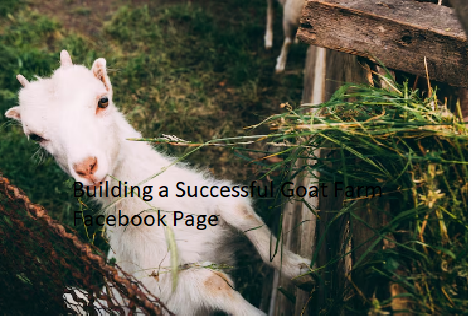
Managing a professional goat farm Facebook page is one of the most effective ways to connect with local customers and build a loyal brand community. By sharing daily farm life, product updates, and educational insights, owners can transform a simple social media profile into a powerful engine for direct-to-consumer sales.
You will gain the most traction by focusing on consistent visual storytelling and clear communication of your farm’s unique values. This article outlines the specific strategies needed to turn your digital presence into a measurable asset for your agricultural business.
Direct Benefits of a Social Media Presence
The primary question for most producers is whether the time invested in a goat farm Facebook page actually translates into revenue. The answer is yes, provided you treat the platform as a storefront rather than just a hobbyist diary. By maintaining an active page, you reduce your reliance on middleman distributors and capture higher profit margins on items like raw milk products, cheese, or livestock sales.
Data shows that farms with an active social presence see a 15% to 25% increase in local foot traffic during open-farm events. When you post photos of your herd, you build trust with customers who want to know exactly where their food comes from. Transparency is a massive competitive advantage in the modern agricultural market.
Beyond direct sales, your page functions as a customer service hub. You can answer questions about product availability or farm hours in real-time. This accessibility creates a sense of reliability that keeps customers coming back month after month.
Setting Up Your Professional Profile
Your page must look like a legitimate business the moment a visitor lands on it. Start by uploading a high-resolution cover photo that features your best-looking pasture or a close-up of your healthiest animals. A generic photo of a generic goat won’t cut it if you want to project a professional image.
Fill out your “About” section with extreme precision. Include your physical location, your operating hours, and a clear description of what you sell.
If you have a website, link it prominently. Many people will visit your page on their phone, so ensure your phone number is clickable and your address is accurate for mapping services.
Choose a category that clearly states your business type, such as “Farm” or “Agricultural Service.” This helps Facebook’s algorithm show your content to people in your area who are already interested in local produce. Consistency in your branding—using the same logo or font style across all posts—makes your business look established and trustworthy.
Content Strategies for Engagement
You need to move beyond simple “for sale” posts if you want to grow an audience. People follow farm pages to learn about the reality of raising livestock.
Post short videos of your kidding season or share photos of your daily milking routine. These behind-the-scenes glimpses build a personal connection that a standard advertisement cannot replicate.
Use a mix of educational and promotional content to keep your followers interested. For example, explain the differences between various goat breeds or share a recipe using the goat milk soap you produce. When you provide value through information, your followers are much more likely to share your posts with their own networks.
Frequency is just as important as quality. Aim for at least three to four posts per week to stay relevant in your followers’ news feeds. Use the Facebook scheduling tool to plan your posts during the weekend, ensuring you aren’t scrambling for content during your busiest morning chores.
Managing Customer Interactions
A goat farm Facebook page is a two-way street, and your responsiveness defines your reputation. When a customer leaves a comment asking about your cheese pricing, reply within a few hours. A slow response often leads to a lost sale, as the customer will likely move on to a more responsive competitor.
Encourage your happy customers to leave reviews on your page. A high star rating is one of the first things a potential customer checks before they decide to drive out to your farm. Respond to every review, even if it is just a brief “thank you” for their kind words.
If you encounter a negative comment, handle it with extreme professionalism. Do not delete the comment unless it is abusive or spam. A polite, public response showing you are willing to resolve an issue can actually improve your standing with other potential customers.
Financial Tracking and Sales
Tracking the return on your effort is essential for long-term sustainability. Use a simple spreadsheet to monitor how many sales originate from your social media posts. You can ask customers during checkout, “Did you see us on Facebook?” to get a rough idea of your conversion rate.
Table 1: Estimated Monthly Revenue Impact from Social Media
| Source | Estimated Monthly Sales | Impact of Facebook |
|---|---|---|
| Direct Farm Sales | $1,200 | High |
| Farmer’s Markets | $2,500 | Moderate |
| Wholesale/Bulk | $3,000 | Low |
Focus your energy where the return is highest. If your page is driving significant traffic to your farm store, prioritize posting photos of your store inventory. If you find that your posts don’t drive bulk sales, shift your strategy toward showcasing retail-friendly products instead.
Leveraging Local Groups
Joining local community or “buy/sell” groups on Facebook is a highly effective way to expand your reach. Do not just spam these groups with links, as that will get you banned quickly. Instead, offer helpful advice when people ask about local food sources or livestock care.
When someone asks, “Where can I find fresh goat cheese nearby?” provide a helpful answer and mention your farm’s page. This is a much more natural and effective way to gain new followers than cold-posting advertisements. Establish yourself as a local expert, and the sales will naturally follow.
Participate in local events and tag the organizers in your posts. This cross-promotion puts your farm in front of people who are already invested in the local community. It builds a network of support that makes your farm more resilient during slower seasons.
Technical Tools for Growth
You should occasionally use the Facebook Insights dashboard to see which posts perform best. Look for patterns in the time of day, the type of photo, or the length of the caption. If your followers consistently engage with photos of baby goats, prioritize that type of imagery.
Consider investing a small budget in Facebook Ads if you have a specific product launch or an event coming up. You can target your ads to people within a 20-mile radius of your farm who have expressed interest in agriculture or local food. A budget of $5 to $10 per day for a week can significantly increase your local visibility.
Ensure your mobile experience is flawless. Most of your customers will be viewing your farm page on a smartphone while on the go. Use the USDA Agricultural Marketing Service resources to understand broader trends in direct-to-consumer sales that you can apply to your local strategy.
Common Pitfalls to Avoid
Many farm owners fail because they treat social media as an afterthought. Do not post blurry photos or captions filled with typos. Your digital presence is a reflection of your farm’s cleanliness and attention to detail.
Avoid getting bogged down in internet debates or political arguments. Your farm page should remain a neutral, welcoming space for all members of your community. Keep your content focused on your animals, your products, and your farm’s mission.
Don’t ignore the importance of clear calls to action. Every post should tell the reader what to do next. Whether it is “visit our farm this Saturday,” “click the link to pre-order,” or “send us a message for pricing,” always guide your audience toward a specific outcome.
Frequently Asked Questions
How often should I post to my farm page?
You should aim for at least three to four times per week. Consistent activity keeps your farm at the top of your customers’ minds and ensures the Facebook algorithm continues to show your content.
Should I pay for Facebook ads?
It depends on your goals. A small, targeted budget for a specific event or product launch can be highly effective, but don’t rely on ads until you have a steady stream of organic content.
What is the best type of content to post?
Visual content performs best. High-quality photos of your herd, videos of your daily operations, and educational snippets about your farming practices generally receive the most engagement.
How do I handle negative feedback?
Always respond professionally and publicly. Acknowledge the concern, apologize for the inconvenience, and offer a way to resolve the issue privately through direct messages.
Can I sell livestock directly through Facebook?
Yes, you can list animals for sale, but be aware of Facebook’s marketplace policies regarding live animals. It is often safer to use your page to generate interest and then finalize sales through private contact or external platforms.
Conclusion
Building a successful goat farm Facebook page requires a balance of consistency, visual appeal, and active community engagement. By treating your page as a genuine extension of your business operations, you create a reliable channel for customer interaction and direct sales. Focus on high-quality photography and helpful communication to stand out in the local market.
Start by auditing your current profile today and ensuring your contact information and location are clearly visible to all visitors. As you build your audience, continue to refine your content based on what your customers find most valuable. With a dedicated approach, your digital presence will grow alongside your herd, helping you build a sustainable and thriving agricultural enterprise.
