

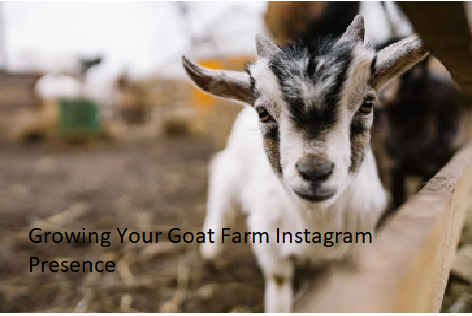
Building a successful goat farm Instagram presence requires more than just posting cute photos of kids frolicking in the pasture. It demands a blend of authentic storytelling, consistent visual branding, and a deep understanding of what your specific audience wants to see. Whether you are selling raw milk, breeding stock, or artisanal cheese, your social media strategy should reflect the day-to-day reality of agricultural life while maintaining a professional edge.
The core metrics that define a successful goat farm Instagram account typically include an engagement rate above 3% and a consistent follower growth trend. Most small-scale operations find that accounts with between 2,000 and 5,000 highly targeted followers convert better than generic accounts with 50,000 inactive subscribers. You should focus on local reach and industry networking rather than chasing global viral trends that do not lead to actual product sales or farm visits.
Defining Your Brand Identity
Your farm’s identity is the foundation of your digital presence. Before you upload a single image, decide if you are presenting a rustic, educational, or commercial persona. A commercial dairy farm looks very different from a small hobbyist homestead.
Consistency in color palettes and lighting styles helps followers recognize your content immediately in their feeds. If your photos are consistently bright and airy, they will convey a sense of cleanliness and health. Conversely, warmer, earthier tones often work better for farms focused on heritage breeds or sustainable, traditional practices.
Content Pillars for Agriculture
Successful accounts often categorize their content into four distinct pillars to keep their feed balanced. You should aim to rotate through these themes to keep your audience interested without overwhelming them with sales pitches.
- Daily Operations: Behind-the-scenes looks at milking, feeding, and barn maintenance.
- Educational Snippets: Quick tips on hoof care, kidding seasons, or pasture management.
- Product Spotlights: High-quality images of your cheese, soap, or fiber products.
- Community Engagement: Reposting photos from visitors or highlighting local farmers’ markets.
Mastering the Algorithm
Instagram prioritizes content that keeps users on the app for longer periods. Short-form video, specifically Reels, currently offers the highest organic reach for agricultural accounts. You do not need professional equipment to produce these; a steady hand and a clear focus on a specific task work wonders.
Engagement is a two-way street that requires active participation from the farm owner. Replying to every comment within the first hour of posting signals to the algorithm that your content is generating healthy conversation. Avoid generic responses like “thanks” and instead ask a follow-up question to keep the dialogue moving.
The Economics of Farm Marketing
Tracking your return on investment is essential when you view social media as a business asset. Most successful operations treat their account as a digital storefront rather than just a photo album. You can track this performance by comparing your monthly output against your direct sales figures.
| Strategy Type | Effort Level | Expected Conversion |
|---|---|---|
| Organic Feed Posts | Low | Brand Awareness |
| Educational Reels | Medium | Audience Trust |
| Direct Sales Stories | High | Immediate Revenue |
| Influencer Collaboration | High | New Market Reach |
Photography and Lighting Standards
Good lighting is the difference between a amateur snapshot and professional-grade agricultural photography. Always shoot during the “golden hour” if you are taking photos outdoors, as harsh midday sun often blows out the details in white goat coats. If you are shooting inside a barn, use natural light coming from windows or doors rather than harsh overhead fluorescent bulbs.
Composition matters just as much as light. Use the rule of thirds to place your main subject off-center, which creates a more dynamic and professional look. Clean up your background before you snap the picture; a stray pitchfork or a messy bucket can distract from the beauty of your livestock.
Leveraging Local Partnerships
Your goat farm Instagram account should act as a hub for your local community. Tagging your location in every post allows potential customers in your area to discover your farm through search features. Networking with local coffee shops, bakeries, or artisanal markets can create cross-promotional opportunities that benefit everyone involved.
Consider hosting a “farm tour” giveaway where the entry requirement is tagging a friend who lives nearby. This strategy specifically targets your geographic demographic rather than drawing in thousands of followers from other countries who will never buy your products. Keep your physical presence in mind when building your digital community.
Understanding Animal Welfare Ethics
Transparency is a powerful marketing tool in the modern agricultural sector. Consumers are increasingly curious about how their food is produced and how animals are treated. Showing the reality of your herd management, including veterinary visits and pasture rotation, builds immense trust.
Always maintain a high standard of care and ensure your content reflects that. If you are unsure about the best practices for your specific region, you can consult resources like the United States Department of Agriculture for guidelines on livestock standards. Demonstrating that you follow professional protocols makes your farm a trusted authority in your niche.
Managing Growth and Burnout
Social media management can quickly become a full-time job if you do not implement boundaries. Batch your content creation into one day a week so you are not constantly reaching for your phone during chores. Use scheduling tools to automate your posts, allowing you to focus on the actual work of running a productive farm.
If you find that specific types of content are not performing, do not be afraid to pivot. Perhaps your audience loves seeing your goat cheese production process but ignores your generic landscape shots. Data-driven decision-making prevents you from wasting time on content that doesn’t actually help your business grow.
Frequently Asked Questions
How often should I post to grow my account?
Posting 3 to 4 times per week is usually sufficient for most farms. Quality and consistency are far more important than daily volume, which often leads to burnout.
Does buying followers help a farm account?
No, buying followers is detrimental to your account’s health. It creates a fake audience that does not engage, which tells the algorithm your content is poor and suppresses your reach to real people.
What is the best way to handle negative comments?
Address legitimate concerns with professionalism and facts. If a commenter is being abusive or spreading misinformation, delete the comment and block the user immediately to protect your community.
Can I sell products directly through Instagram?
Yes, if you set up an Instagram Shop, you can tag products directly in your photos and videos. This provides a frictionless path to purchase for your followers.
Should I use hashtags in every post?
Use a mix of broad hashtags like #goatfarming and specific, local hashtags that relate to your town or region. Aim for 5 to 10 highly relevant tags per post rather than dumping 30 unrelated ones.
Conclusion
Building a goat farm Instagram presence is a marathon, not a sprint. By focusing on high-quality visuals, genuine community interaction, and a clear brand strategy, you can turn your digital profile into a meaningful asset for your agricultural business. Start by auditing your current feed and identifying one area you can improve this week, whether it is better lighting or a more consistent posting schedule.
Remember that your followers are looking for a connection to the land and the animals you care for. Keep your content authentic, prioritize the health of your herd, and let the unique personality of your operation shine through. As you refine your approach, you will find that your online audience becomes a loyal base of customers and supporters for your farm.
