

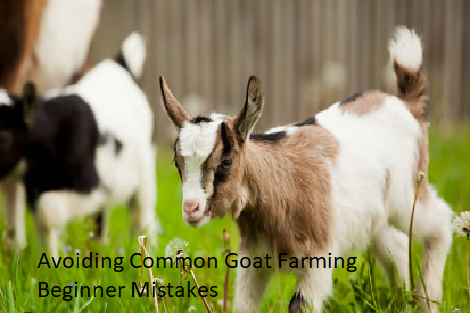
Navigating goat farming beginner mistakes is a rite of passage for most new livestock owners, but understanding these pitfalls early can save you significant time and capital. Many novice farmers dive into the industry with romanticized expectations only to find that the reality of herd management requires strict discipline and planning.
By focusing on infrastructure, health, and nutritional basics, you can establish a sustainable operation rather than repeating the costly errors of your predecessors. This article outlines the essential areas where most newcomers stumble, providing the clarity needed to build a healthy, productive herd from day one.
The Reality of Starting Herd Size
One of the most frequent goat farming beginner mistakes is starting with an excessively large herd. Many newcomers believe that buying ten or twenty animals will lead to faster profits, but they lack the infrastructure and daily labor capacity to manage them. Beginners often fail to realize that each additional goat increases the risk of disease spread and complicates individual animal monitoring.
Starting with a small group of two to four goats is the gold standard for most hobbyists and small-scale farmers. This allows you to learn the nuances of behavior, parasite control, and nutritional requirements without being overwhelmed. You can always expand your herd once you have mastered the basics and confirmed that your local market supports your production goals.
Managing a small herd also makes it easier to track individual health records. You will quickly learn how to spot signs of illness, such as a dull coat or isolation from the group, which is much harder to do with a large, unmanaged flock. This foundational experience is invaluable for scaling up your operations safely in later years.
Fencing and Infrastructure Failures
Goats are notorious escape artists that view fences as mere suggestions rather than boundaries. A common error involves using standard cattle wire or flimsy garden netting, which goats can easily push through, jump over, or climb. You must invest in high-quality, woven wire fencing that is at least 48 inches high to keep your animals secure.
Electric fencing is another effective tool, but it requires consistent maintenance to ensure it remains active. If your fence loses power, a goat will identify the weakness within hours and teach the rest of the herd how to exploit it. Always prioritize a perimeter that is both predator-proof and goat-proof to prevent heartbreaking losses to local wildlife.
Shelter design is equally critical, as goats are highly susceptible to respiratory issues caused by drafts and dampness. Your barn or three-sided shelter should face away from prevailing winds and provide at least 15 square feet of space per goat. Dry bedding is essential, and failure to clean it regularly leads to ammonia buildup that will quickly compromise the health of your animals.
Neglecting Parasite Management
Internal parasites, particularly the barber pole worm, represent the single largest health threat to goats. Beginners often make the mistake of using chemical dewormers indiscriminately, which leads to drug-resistant parasite populations on their property. This practice is unsustainable and eventually renders standard medications useless, often with fatal consequences for the herd.
Instead of relying solely on chemical intervention, you must implement a system of integrated pest management. This includes rotating pastures frequently to break the parasite life cycle and using the FAMACHA system to evaluate the anemia levels in your goats. By checking the color of the eyelid membranes, you can treat only the specific animals that actually require it.
| Management Strategy | Risk Level | Frequency |
|---|---|---|
| Pasture Rotation | Low | Every 2-4 weeks |
| Fecal Egg Counts | Moderate | Quarterly |
| Chemical Deworming | High (if overused) | As needed only |
Nutritional Misunderstandings
Many new owners treat goats like lawnmowers, assuming they can thrive on brush and weeds alone. While goats are browsers rather than grazers, they require a balanced diet of high-quality hay, minerals, and clean water to maintain productivity. A lack of proper minerals, especially copper, is a frequent cause of poor growth and weak immune systems in goats.
You must provide a loose mineral mix specifically formulated for goats, not sheep, as sheep minerals often lack the necessary copper. Ensure that your mineral feeder is kept dry and accessible at all times. A goat that is not receiving adequate nutrition will be the first to succumb to stress, weather changes, or parasitic loads.
Water quality is the most overlooked aspect of goat nutrition. Goats are notoriously picky drinkers and will refuse to consume water that is stagnant, dirty, or smells like algae. Invest in a reliable water source that is cleaned at least once a week to ensure your herd remains hydrated and healthy throughout the year.
Record Keeping and Financial Planning
A professional approach to livestock requires rigorous documentation of every animal in your care. Without a health log, you will struggle to remember when a goat was last vaccinated, dewormed, or bred. This lack of data is one of the most significant goat farming beginner mistakes, as it prevents you from making informed decisions about which animals to keep and which to cull.
You should maintain a binder or a digital spreadsheet that tracks the following key metrics for every animal:
-
- Birth dates and lineage tracking
-
- Vaccination and medical treatment history
-
- Weight gain or milk production benchmarks
-
- Breeding dates and expected kidding intervals
-
- Feed costs versus revenue generated
Financial planning is often neglected until the first large vet bill arrives. Always set aside an emergency fund that covers at least 20% of your annual operating costs for unexpected medical emergencies or infrastructure repairs. Treating your goat operation as a business, even if it is currently a hobby, will protect you from financial burnout.
The Importance of Breed Selection
Choosing the wrong breed for your specific goals is a mistake that can haunt a farmer for years. If your objective is milk production, a meat-heavy breed like a Boer goat will leave you disappointed and frustrated. Conversely, trying to raise high-maintenance dairy goats in an environment with poor forage will result in thin, unproductive animals.
Research the specific traits of the breeds you are considering, including their temperament, hardiness, and environmental preferences. For instance, some breeds are better suited for colder climates, while others thrive in hot, humid conditions. You can find detailed breed standards through organizations like the Purdue University Extension.
Consult with local breeders who have been successful in your specific area. They can offer insights into which breeds handle the local parasite pressure and weather patterns best. Do not purchase goats based solely on their appearance; prioritize functionality and the suitability of the animal for your land.
Handling and Social Needs
Goats are herd animals that experience extreme stress when kept in isolation. A single goat will often become destructive, noisy, and depressed, making it a poor choice for any beginner. You should always have at least two goats to ensure they have the social interaction required for their mental well-being.
Handling your goats daily is a practice that makes medical care and management significantly easier. By training your goats to accept a collar or stand on a milking stand, you avoid the chaos of trying to restrain a panicked animal during a vet visit. Gentle, consistent handling builds trust and ensures that your animals are manageable when it matters most.
Learn the basics of physical restraint techniques, such as how to properly hold a goat’s chin or use a gate to funnel them into a small area. Never use excessive force, as goats are sensitive creatures that can easily be injured. A calm, assertive presence will establish your role as the herd leader and make daily chores much more efficient.
The Kidding Season Challenge
Kidding season is the most demanding time of the year for any goat farmer. Beginners often underestimate the preparation required for a successful delivery, leading to preventable kid mortality. You must have a birthing kit prepared well in advance, containing iodine for navel dipping, towels, lubricant, and a thermometer.
Research the signs of labor, such as the goat pawing at the ground, frequent bleating, or udder development. While most goats deliver without human intervention, you must be prepared to assist if a kid is in the wrong position. Knowing when to step in and when to wait is a skill that comes with experience and observation.
After the birth, ensure the kid receives colostrum within the first few hours of life. This is the most critical step for building a strong immune system in the newborn. If the mother refuses to nurse, you must have a backup plan, such as a bottle-feeding schedule and high-quality milk replacer on hand.
FAQ
How many goats should a beginner start with?
A beginner should start with two to four goats. This group size is large enough to satisfy the animal’s social needs but small enough for a novice to manage effectively without becoming overwhelmed by the labor and health requirements.
What is the most difficult thing about raising goats?
Managing internal parasites is widely considered the most difficult aspect of goat farming. Because goats are highly susceptible to worms and the parasites are becoming increasingly resistant to conventional dewormers, it requires constant vigilance and a strategic approach to pasture management.
Is a small goat farm profitable?
A small goat farm can be profitable, but it requires careful financial management and a clear focus on a specific product, such as milk, meat, or fiber. Profitability often depends on keeping overhead costs low and finding a niche market that values high-quality, farm-raised products.
What should a first-time goat owner know?
A first-time owner must understand that goats require robust, secure fencing and a consistent, high-quality diet. You should also prioritize learning basic veterinary care, such as how to perform a health check and when to call a professional for assistance.
How often should I rotate my pastures?
Pastures should ideally be rotated every two to four weeks, depending on the size of the area and the number of goats. This practice helps prevent overgrazing and significantly reduces the buildup of parasite larvae in the soil.
Conclusion
Starting your journey into livestock management is an exciting endeavor, but success depends on your ability to avoid the most common goat farming beginner mistakes. By prioritizing secure infrastructure, proactive health monitoring, and a realistic approach to herd size, you position yourself for long-term growth. Remember that every experienced breeder once stood exactly where you are today, relying on curiosity and a willingness to learn from daily observations.
Take the time to build your knowledge base before investing heavily in animals or equipment. Connect with local agricultural resources and never hesitate to ask questions when you encounter a problem.
With patience and a commitment to animal welfare, you will soon find that the rewards of a healthy, thriving herd far outweigh the initial learning curve. We hope this foundation helps you succeed in your farming venture.
