

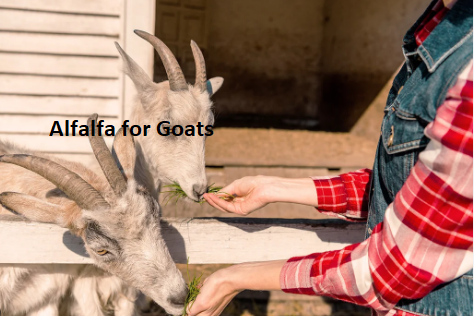
Feeding alfalfa for goats is a common practice among experienced breeders because this legume provides dense nutrition that many other forage sources lack. Goats have high metabolic demands, especially during peak lactation or growth phases, and alfalfa serves as a reliable way to meet these energy requirements.
By understanding the specific mineral profile and protein density of this crop, you can make informed decisions about your herd’s daily ration. This article explores the nutritional impact of alfalfa, how to manage it safely, and why it remains a staple in successful caprine management.
Is alfalfa safe for goats?
Yes, feeding alfalfa for goats is entirely safe and often highly beneficial when managed correctly within a balanced diet. It acts as a powerhouse of protein, calcium, and essential vitamins that support skeletal development and milk production. While some keepers worry about the richness of the feed, the primary risk isn’t the alfalfa itself but rather sudden dietary transitions. As long as you introduce it gradually to allow the rumen flora to adapt, your goats will likely thrive on this nutrient-dense forage.
Nutritional Profile and Benefits
Alfalfa is often referred to as the “queen of forages” because of its exceptional nutrient density compared to standard grass hays. It typically contains between 15% and 20% crude protein, which is essential for goats experiencing high physiological stress. This level of protein supports muscle development in growing kids and sustains milk volume in lactating does.
Beyond protein, the mineral content of alfalfa stands out significantly. It is an excellent source of calcium, which is vital for bone strength and milk synthesis.
For a nursing doe, the calcium provided by alfalfa helps prevent metabolic issues like milk fever. You will also find that it provides a good range of trace minerals and B-vitamins that contribute to overall health and immune function.
The energy content of this legume is another major advantage for producers. Goats are naturally browsers, and they require a diet that provides enough calories to maintain their high activity levels.
Alfalfa delivers more digestible energy per pound than most cool-season grasses. This efficiency means your goats can consume less total volume while still meeting their metabolic needs, which is useful when storage space is limited.
Managing the Risk of Bloat
One of the most common concerns for new owners is the risk of bloat when grazing or feeding fresh alfalfa. While alfalfa is a legume and can cause gas buildup if consumed in excess, it is rarely fatal if managed with common sense. Bloat usually occurs when goats consume massive quantities of lush, wet, or immature alfalfa without having a base of fiber in their digestive tract.
To mitigate this, always ensure your goats have access to free-choice grass hay before they start on alfalfa. The physical structure of grass hay helps maintain proper rumen motility and prevents the rapid fermentation that leads to gas accumulation. You should also be cautious when turning goats out onto a field of pure alfalfa after a spring rain, as the rapid intake of succulent leaves can be overwhelming for their systems.
If you are feeding dried alfalfa pellets or hay, the risk of bloat is significantly lower than with grazing. The drying process stabilizes the sugars and proteins, making the feed more predictable. Many producers use a transition period of 7 to 10 days where they slowly increase the percentage of alfalfa in the ration to ensure the rumen microbes have time to adjust to the higher protein concentration.
Comparison with Grass Hay
Choosing the right forage often comes down to comparing alfalfa with common grass hays like timothy or orchard grass. Grass hays are excellent for maintenance diets, but they often fall short when a goat is under high production demands. Understanding the differences helps you tailor your feeding program to the specific life stage of your animals.
| Nutrient | Alfalfa Hay | Grass Hay |
|---|---|---|
| Crude Protein | 15% – 20% | 8% – 12% |
| Calcium | 1.2% – 1.5% | 0.3% – 0.5% |
| Energy (TDN) | 60% – 65% | 50% – 55% |
As shown in the table, the mineral and protein concentrations are notably higher in alfalfa. While grass hay is safer for sedentary or retired goats, it rarely provides enough fuel for a high-producing dairy doe.
Many successful managers adopt a hybrid approach. They provide high-quality grass hay as the foundation and supplement with alfalfa to hit specific protein targets during pregnancy or lactation.
Feeding Strategies for Different Life Stages
Not every goat needs the same amount of alfalfa. A dry buck or a wether has very low protein requirements and can easily become overweight if fed high-quality alfalfa exclusively. In these cases, alfalfa should be treated as a supplement rather than the primary forage source. You might offer it as a treat or a small percentage of their daily ration to provide variety.
On the other hand, a pregnant or nursing doe has significantly higher needs. During the last trimester of pregnancy, the developing kids put pressure on the doe’s rumen, reducing her capacity to eat large volumes of feed.
Using nutrient-dense alfalfa ensures she gets the maximum amount of nutrition in every bite. This is a critical window where poor nutrition can lead to complications during kidding.
Growing kids also benefit immensely from a consistent supply of alfalfa. Their rapid bone and muscle growth requires a steady stream of calcium and protein that grass hay often cannot provide.
By offering high-quality alfalfa, you are essentially setting them up for a healthier structural development. Always monitor body condition scores to ensure they are growing steadily without becoming obese.
Quality Indicators to Watch For
When you are purchasing alfalfa for goats, the quality of the bale or pellet is paramount. Look for hay that is leafy and bright green, as the leaves contain the vast majority of the protein and vitamins. A bale that is mostly stems or has a bleached, yellow appearance indicates that the crop was harvested too late or stored improperly.
Avoid any hay that shows signs of mold or heavy dust. Goats are notoriously picky eaters and will often refuse moldy feed, but if they do consume it, the respiratory risks are high.
You should also check for the presence of weeds or foreign objects like baling twine, which can cause digestive impactions if ingested. A clean, high-quality product is well worth the extra cost.
If you are buying in bulk, consider asking for a forage analysis. Many farmers provide a lab report detailing the exact protein and fiber levels of their harvest.
This is the only way to know for sure what you are feeding. You can find detailed resources on evaluating forage quality through the eXtension Foundation, which offers research-backed guidance for livestock owners.
The Role of Calcium and Phosphorus
A key technical detail in goat nutrition is the calcium-to-phosphorus ratio. Goats require a ratio of approximately 2:1 for optimal health. Alfalfa is very high in calcium, which can throw this ratio off if the rest of the diet is not balanced correctly. If your feed is too high in calcium and low in phosphorus, you risk the formation of urinary calculi, particularly in male goats.
Urinary calculi are mineral stones that can block the urinary tract, which is a common and dangerous issue in bucks and wethers. To prevent this, ensure that your mineral supplement provides adequate phosphorus and that you are not over-feeding alfalfa to male goats. Always provide fresh, clean water, as hydration is the most effective way to help the body flush out excess minerals.
If you are feeding a high-alfalfa diet, consider adding a specialized goat mineral that is formulated to balance the high calcium levels found in legumes. Do not rely on generic livestock blocks, as they may not contain the specific levels of ammonium chloride or other preventative agents that help maintain urinary health. Proper mineral management is just as important as the quality of the hay itself.
Storage and Handling Best Practices
How you store your alfalfa determines how long it will maintain its nutritional value. Moisture is the enemy of stored hay. If the bales are kept in a damp area, they will quickly lose their green color and, worse, develop mold or fungal spores. Store your hay on pallets or in a raised structure to allow for airflow underneath.
If you are using pellets, keep them in airtight containers to prevent moisture absorption and pest infestation. Rodents are attracted to the high protein content of alfalfa, so keeping your feed in metal or heavy-duty plastic bins is a standard best practice. Always keep your feed area clean to avoid attracting unwanted visitors that can carry diseases into your herd.
Rotating your stock is another crucial habit. Use the “first in, first out” method to ensure that older hay is consumed before it loses its nutritional potency.
Exposure to sunlight and heat will degrade the vitamin content over time, so keep your storage area shaded and cool. Taking these small steps will ensure your investment in high-quality feed actually pays off in animal health.
Common Questions About Alfalfa
Can goats eat alfalfa every day?
Yes, goats can eat alfalfa daily, provided it is balanced with other forages and minerals. It is a fantastic source of energy and protein, but you must adjust the quantity based on the individual goat’s life stage and activity level.
Does alfalfa cause kidney stones in goats?
Alfalfa itself does not cause kidney stones, but its high calcium content can contribute to an imbalanced mineral ratio if not managed. This imbalance is a risk factor for urinary calculi in males, which is why proper mineral supplementation is critical.
Can I feed alfalfa to my buck?
You can, but you should be cautious. Bucks generally do not need the high protein and calcium levels that lactating does require. Keep alfalfa as a minor part of a buck’s diet to avoid potential mineral imbalances and excessive weight gain.
Should I feed alfalfa pellets or hay?
Both are excellent, but they serve different purposes. Hay provides essential long-stem fiber for proper rumen function, while pellets are convenient for supplementing specific nutrients or feeding in a controlled manner. A combination of both is often the most effective approach.
How do I know if the alfalfa is good quality?
High-quality alfalfa should be leafy, soft to the touch, and have a vibrant green color. It should smell fresh and sweet, never musty or sour. If the bale is dusty or contains a lot of thick, woody stems, it is of lower nutritional value.
Conclusion
Integrating alfalfa into your goat’s diet can provide a significant boost to their overall health, milk production, and growth rates. By recognizing it as a nutrient-dense tool rather than a generic filler, you can better support your herd through their most demanding life stages. Remember that success lies in balance; always introduce new feeds slowly, maintain a proper calcium-to-phosphorus ratio, and prioritize high-quality, clean forage. Whether you are managing a small backyard herd or a larger dairy operation, using alfalfa for goats effectively requires a blend of careful observation and nutritional planning. If you monitor your animals’ body condition and adjust your feeding program as their needs change, you will see the benefits in their performance and vitality. Keep observing your goats, keep your mineral program consistent, and enjoy the rewards of a well-nourished herd.
