

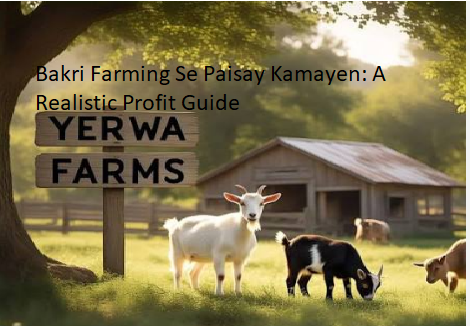
Understanding the financial dynamics of bakri farming se paisay kamayen is essential for anyone looking to enter the livestock sector. Many small-scale farmers find success by focusing on high-demand breeds and efficient feeding cycles. While the initial investment varies based on location and infrastructure, the turnover can be significant if you manage your herd with precision.
This article breaks down the actual costs, revenue streams, and operational strategies required to build a sustainable goat farming business. You will learn how to turn a modest plot of land into a productive asset by applying proven agricultural management techniques.
The core reality of bakri farming se paisay kamayen is that profitability hinges on the gap between your input costs and the market price of meat or milk. On average, a healthy, well-fed goat can reach a marketable weight of 30 to 40 kilograms within 10 to 12 months. Farmers typically see a profit margin of 25% to 40% per animal, depending on whether they raise them on free-range grazing or intensive stall-feeding.
Stall-feeding often leads to faster weight gain but requires higher spending on high-protein concentrate feeds. Your ability to source cheap fodder and minimize veterinary expenses determines your final net income.
Initial Infrastructure and Setup Costs
Starting a goat farm requires a dedicated space that protects animals from extreme weather and predators. You do not need a massive building initially, but you do need a dry, elevated, and well-ventilated shed.
Costs for building a basic shed using local materials like bamboo, wood, and galvanized iron typically range from $300 to $800 for a small setup of 20 goats. Ensure the floor is slightly raised to prevent moisture buildup, which is a major cause of hoof rot and respiratory illnesses.
Beyond the shed, you must account for the purchase price of your foundation stock. A quality breeding doe or a young buck for fattening can cost anywhere between $80 and $250 depending on the breed and age.
It is often wiser to purchase younger, healthy stock that you can raise to maturity rather than buying fully grown animals at a premium. Always factor in an additional 15% of your total budget for immediate medical supplies, basic fencing, and water storage equipment.
Selecting the Right Breed for Profit
Choosing the right breed is a critical decision that influences how effectively you can succeed with bakri farming se paisay kamayen. Some breeds are specialized for milk production, while others are prized for their rapid weight gain and meat quality.
For meat-focused operations, breeds like the Beetal or Boer-crosses are highly sought after in regional markets. These animals are hardy, adaptable to various climates, and maintain a high feed conversion ratio.
If you are leaning toward dairy, focus on breeds like the Barbari or specific Alpine crosses known for higher milk yield. Milk production provides a steady, daily cash flow, whereas meat production relies on seasonal sales, often peaking during major holidays.
Research the local market demand in your area before investing in a specific breed. A common mistake is buying high-maintenance, exotic goats that struggle to adapt to local forage, leading to high mortality rates and financial loss.
Managing Feed and Nutrition Efficiency
Feed costs represent the largest ongoing expense in any livestock venture, often accounting for 60% to 70% of your total operating budget. To maximize the returns on bakri farming se paisay kamayen, you must balance expensive concentrate feeds with cheaper, high-quality roughage.
Incorporating green fodder such as alfalfa, clover, or maize silage provides essential nutrients that reduce the need for commercial feed supplements. Many successful farmers cultivate their own fodder on a portion of their land to keep costs near zero.
Water quality is just as important as the feed itself, as contaminated water causes rapid disease spread. Ensure your goats have constant access to clean, fresh water troughs that are cleaned daily.
Supplementing their diet with mineral blocks is a low-cost way to ensure they get necessary trace elements, which improves immunity and growth rates. A well-nourished goat is far more resistant to parasites, saving you money on costly deworming medications and vet visits.
Health Protocols and Disease Prevention
Disease management is the primary variable that determines whether a farm thrives or fails. You should implement a strict vaccination schedule, starting with common threats like Enterotoxemia, PPR, and Foot and Mouth Disease.
Consult your local veterinary office to get the specific vaccination calendar recommended for your region. The Food and Agriculture Organization of the United Nations provides extensive resources on global livestock health standards that can help you establish a safe environment.
Quarantine is non-negotiable when introducing new animals to your herd. Always keep new arrivals in a separate area for at least 14 to 21 days to ensure they are not carrying contagious diseases.
Regularly check for external parasites like ticks and lice, which can drain an animal’s energy and reduce its market value. A proactive approach to health means spending small amounts on prevention rather than losing large amounts on emergency treatments.
Market Timing and Revenue Cycles
Timing your sales is the most effective way to improve the financial outcome of bakri farming se paisay kamayen. Market prices for goats fluctuate significantly based on the calendar, with prices often surging during major religious festivals or holiday seasons.
By aligning your animal’s growth cycle with these peak demand periods, you can sell your stock at a premium of 20% to 50% above normal market rates. This requires careful planning of breeding cycles to ensure your goats reach their target weight exactly when demand hits its peak.
Diversification of income streams is another smart tactic for risk mitigation. Instead of selling only for meat, consider selling milk, manure, or even breeding stock to other local farmers.
Goat manure is an excellent organic fertilizer that can be sold to vegetable growers or used to improve your own fodder crops. By extracting value from every output of your farm, you ensure that your business remains profitable even if the meat market experiences a temporary dip.
Comparison of Operational Models
The following table outlines the expected performance differences between small-scale free-range operations and intensive stall-fed farming systems.
| Factor | Free-Range System | Intensive Stall-Fed |
|---|---|---|
| Initial Cost | Low | High |
| Growth Rate | Moderate | Rapid |
| Feed Expenses | Minimal | Significant |
| Labor Needs | High (Herding) | Low (Management) |
| Risk Level | Higher (Predators/Disease) | Lower (Controlled) |
Key Operational Milestones
To build a structured business, track your progress against specific milestones that indicate the health and trajectory of your investment.
- Month 0: Infrastructure completion and purchase of foundation stock (healthy, vaccinated).
- Month 3: Establishing a consistent feeding routine and identifying local fodder sources.
- Month 6: Regular health checkups and monitoring weight gain against breed standards.
- Month 9: Initial market research and contacting potential buyers or slaughterhouses.
- Month 12: Peak market timing for sale or breeding expansion.
Common Pitfalls and How to Avoid Them
Many beginners enter the market with unrealistic expectations, assuming it is a “get-rich-quick” scheme. The reality of bakri farming se paisay kamayen is that it requires consistent daily labor and attention to detail.
One of the most common mistakes is overstocking, where a farmer tries to keep more animals than their land or budget can support. This leads to overcrowding, increased disease transmission, and poor growth rates due to malnutrition.
Another major error is neglecting financial record-keeping. If you do not track every cent spent on feed, medicine, and labor, you will never know your true profit margin. Treat your farm like a business, not a hobby.
Keep a notebook or a simple digital spreadsheet to log every expense and every sale. When you see exactly where your money is going, you can identify inefficiencies and make the necessary adjustments to increase your bottom line.
Frequently Asked Questions
Is it possible to start a goat farm with a very low budget?
Yes, you can start small with 2 to 5 goats using existing structures. The key is to source local breeds that require less specialized care and to rely on free grazing if land is available.
How much does a single goat typically sell for at maturity?
Prices vary wildly based on weight, breed, and season. A healthy meat-goat typically sells for between $100 and $300 in local markets, though prime animals during holidays can fetch significantly higher prices.
What is the most effective way to prevent disease outbreaks?
Strict hygiene is the best defense. This includes regular cleaning of the shed, keeping feeding areas dry, isolating new animals, and following a rigorous vaccination schedule provided by a veterinarian.
How much milk can a single goat produce in a day?
Depending on the breed, a dairy goat can produce anywhere from 1 to 3 liters of milk per day. High-yield breeds under intensive care can produce even more, but these require high-protein diets to maintain output.
Should I focus on meat or milk production?
Meat production is generally easier for beginners because it requires less daily processing and storage. Milk production is more lucrative but demands a daily commitment to milking, storage, and finding a consistent buyer for a perishable product.
Building a Sustainable Future
Achieving success with bakri farming se paisay kamayen requires patience, discipline, and a commitment to animal welfare. By focusing on the health of your herd and the efficiency of your operations, you can create a reliable income stream that grows over time. Start small, monitor your expenses closely, and always prioritize the needs of your animals to ensure they reach their full potential.
As you gain experience, you will learn to navigate market fluctuations and optimize your feeding cycles for maximum profit. If you remain consistent and data-driven, your farm will become a productive asset that rewards your hard work. Stay engaged with local farming communities to keep learning about new, cost-effective methods that can further improve your results.
