

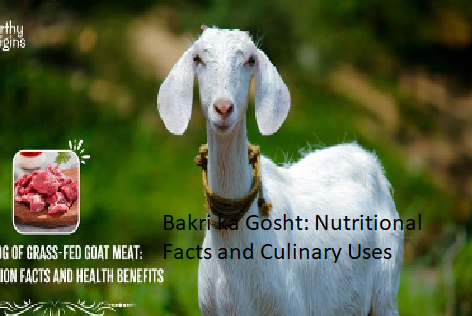
Bakri ka gosht, commonly known as goat meat, serves as a primary source of animal protein in many cultures across South Asia and the Middle East. Understanding its distinct flavor profile and nutritional composition helps home cooks and health-conscious individuals make better decisions when purchasing or preparing this meat.
Whether you are looking for specific health benefits or culinary techniques for tenderizing tougher cuts, knowing the properties of this red meat is essential. This article provides a deep dive into the dietary impact, preparation methods, and market standards associated with goat meat consumption.
Nutritional Profile of Goat Meat
The most common question regarding this meat involves its health profile compared to other red meats like lamb or beef. Bakri ka gosht is widely regarded as a leaner alternative to many other livestock options. It typically contains lower levels of saturated fat and fewer calories per hundred-gram serving than conventional beef or mutton. This makes it a preferred choice for individuals managing their cholesterol levels while still desiring the iron and B-vitamin content inherent in red meat.
A standard 100-gram serving of cooked goat meat contains approximately 143 calories and roughly 27 grams of protein. The total fat content usually sits near 3 grams, which is significantly lower than the 8 to 10 grams found in similar portions of beef.
Furthermore, the meat provides a substantial amount of vitamin B12 and zinc, both of which are vital for immune health and metabolic function. Because of these metrics, nutritionists often suggest it as a sustainable way to maintain muscle mass without the excessive caloric density found in fattier cuts.
Market Price and Availability
Purchasing high-quality meat requires an understanding of local market dynamics and seasonal fluctuations. In many regions, the price of bakri ka gosht tends to rise sharply during religious festivals like Eid-ul-Adha due to increased demand. Outside of these peak periods, pricing is generally determined by the age of the animal and the specific cut requested. Younger animals, often referred to as “kid” goat, command higher prices because the meat is naturally more tender and requires less time to cook.
Retailers categorize meat based on the animal’s weight, breed, and the specific section of the carcass being sold. Cuts from the leg or loin are typically the most expensive, while offal or bone-in stew cuts are more budget-friendly.
When shopping, consumers should look for a bright, consistent color in the muscle tissue and avoid meat that has a dull appearance or an overly pungent odor. You can find detailed guidelines on global meat production and standards published by the Food and Agriculture Organization to understand how these products are graded.
Culinary Techniques for Tenderization
One of the primary challenges with cooking goat meat is its tendency to become tough if not handled with the right technique. Because goat is a lean protein, it lacks the intramuscular fat—often called marbling—that keeps beef juicy during high-heat cooking. Long, slow-cooking methods are the gold standard for preparing this meat to ensure it reaches a melt-in-the-mouth consistency. Braising, stewing, or using a pressure cooker are the most effective ways to break down the connective tissues.
Acidic marinades are also crucial when working with older animals or tougher cuts. Ingredients such as yogurt, lemon juice, or raw papaya paste contain enzymes that effectively soften the fibers before the meat even hits the heat.
If you are preparing a traditional curry, the practice of “bhunai”—or slow-frying the meat with spices—is essential. This process not only develops a deep, complex flavor but also ensures that the proteins undergo the necessary structural changes to become tender.
Comparison of Red Meats
When deciding between different types of red meat, it helps to look at the objective data points regarding fat, protein, and mineral content. The following table highlights why many consumers opt for goat over other common options like sheep or cattle.
| Meat Type | Protein (per 100g) | Fat (per 100g) | Iron Content |
|---|---|---|---|
| Goat (Bakri) | 27g | 3g | High |
| Lamb | 25g | 15g | Moderate |
| Beef | 26g | 12g | Moderate |
Common Culinary Preparations
There are countless ways to prepare bakri ka gosht, ranging from simple home-style curries to elaborate celebratory roasts. The meat’s ability to absorb strong spices makes it a staple in cuisines that utilize heavy aromatics like ginger, garlic, cloves, and cardamom. A classic “Kadhai” preparation involves stir-frying the meat with tomatoes and green chilies, resulting in a drier, more intense flavor profile. Alternatively, a slow-cooked “Paya” or trotters soup is a popular dish prized for its collagen content and rich texture.
Regional variations also dictate how the meat is seasoned and served. In mountainous regions, the meat might be dried or smoked to preserve it for colder months, while in coastal areas, it is often paired with coconut milk to balance the intensity of the protein.
Regardless of the method, the goal is always to balance the natural gamey flavor of the meat with the right intensity of spice. Using fresh herbs like cilantro or mint at the end of the cooking process provides a necessary brightness that cuts through the richness of the dish.
Storage and Safety Standards
Handling raw meat correctly is the most important factor in preventing foodborne illnesses. Upon purchase, keep the meat refrigerated at or below 4 degrees Celsius. If you do not plan to use the meat within 48 hours, it should be frozen immediately to maintain quality. When freezing, portion the meat into meal-sized bags to avoid repeated thawing and refreezing, which degrades the texture and flavor.
Thawing should always occur in the refrigerator rather than on the kitchen counter to prevent bacterial growth. Once thawed, the meat should be cooked thoroughly until it reaches an internal temperature of at least 74 degrees Celsius.
This ensures that any potential pathogens are eliminated while maintaining the safety of the final product. Always wash your hands and sanitize all surfaces that have come into contact with raw meat to prevent cross-contamination.
Health Considerations and Myths
There is often confusion regarding the health implications of eating goat meat, particularly concerning traditional beliefs. Some believe that consuming certain parts of the animal offers specific medicinal benefits, though these claims often lack rigorous scientific backing. From a medical perspective, the primary benefit of goat meat is its high-quality protein and low fat content. It is an excellent source of dietary iron, which is particularly beneficial for individuals suffering from anemia or those who require high iron intake for daily energy.
It is important to avoid overconsumption of any red meat, regardless of its nutritional benefits. Moderation is key to maintaining a balanced diet that includes fiber-rich vegetables and whole grains.
If you have specific dietary restrictions or underlying health conditions, consult a registered dietitian before making significant changes to your protein intake. Relying on scientific data rather than anecdotal advice ensures that your diet remains both safe and effective for your long-term health goals.
Sustainability and Farming
The environmental impact of goat farming is significantly lower than that of cattle farming, which is a major point of interest for modern consumers. Goats are highly adaptable animals that can thrive on vegetation that other livestock might not touch, making them efficient converters of feed into protein. They require less land and water resources to raise, contributing to a smaller carbon footprint per kilogram of meat produced. This makes the consumption of bakri ka gosht a more sustainable choice for those looking to reduce the environmental impact of their diet.
Small-scale farmers often rely on goats as a primary source of income due to their hardiness and ability to reproduce quickly. By supporting local goat farmers, consumers help maintain rural economies and promote biodiversity in agriculture.
These animals are often raised on natural pastures, which leads to a higher quality of meat compared to factory-farmed livestock. Choosing locally sourced meat often means fewer food miles and a more transparent supply chain, which is a significant benefit for conscious shoppers.
Frequently Asked Questions
Is goat meat considered red meat?
Yes, goat meat is classified as red meat due to its high concentration of myoglobin, which gives the muscle tissue its characteristic color. It is nutritionally similar to beef and lamb but generally contains less fat and fewer calories.
How do I get rid of the strong smell in goat meat?
Many people find the gamey scent of goat meat strong; you can mitigate this by marinating the meat in yogurt, vinegar, or lemon juice for at least an hour before cooking. Searing the meat with whole spices like cinnamon, cardamom, and cloves also helps to neutralize the odor.
Can I cook goat meat without a pressure cooker?
Absolutely, though it will require more time. You can achieve excellent results by using a heavy-bottomed pot or a Dutch oven on low heat, ensuring the lid fits tightly to trap moisture and steam.
What is the best way to store goat meat for long-term use?
Wrap the meat tightly in moisture-proof packaging, such as freezer paper or heavy-duty plastic, to prevent freezer burn. When stored properly in a deep freezer at -18 degrees Celsius, it can maintain its quality for up to six months.
Is it safe to eat goat organs?
Yes, in many cultures, the liver, kidneys, and heart are considered delicacies and are highly nutritious. They are rich in vitamins and minerals, though they should be cleaned thoroughly and cooked to the same internal temperature standards as the muscle meat.
Conclusion
Choosing high-quality bakri ka gosht involves understanding both its nutritional advantages and the specific culinary techniques required to make it shine. By prioritizing lean cuts and employing slow-cooking methods, you can enjoy a protein-rich meal that is both healthy and flavorful. Whether you are experimenting with new spice blends or focusing on sustainable sourcing, this versatile meat remains a cornerstone of traditional diets worldwide. Start by selecting fresh cuts from reputable local suppliers and applying these tenderization tips to elevate your next home-cooked meal. Exploring different recipes will help you discover the unique potential of this lean red meat in your kitchen.
