

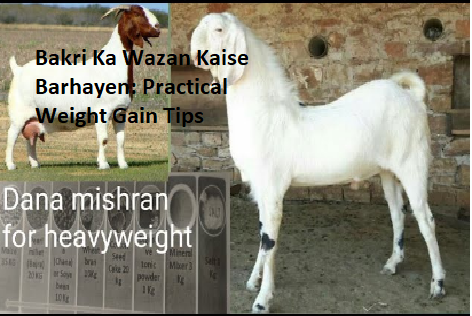
Learning about bakri ka wazan kaise barhayen is essential for farmers aiming to maximize their livestock’s market value. Understanding the biological requirements of your goats allows you to transition from basic maintenance to high-efficiency production. By focusing on balanced nutrition, parasite control, and stress management, you can achieve consistent growth rates.
This process requires patience, consistency, and a deep understanding of animal husbandry practices that go beyond simple feeding. Whether you are preparing animals for Qurbani or general market sale, the principles of weight management remain grounded in science and observation. This guide provides the actionable strategies you need to effectively manage your herd’s health and physical development.
To effectively address bakri ka wazan kaise barhayen, you must prioritize a high-protein diet combined with consistent deworming cycles. The most direct way to increase weight is to provide a mixture of green fodder, energy-dense grains, and high-quality mineral supplements. A goat typically requires 15% to 18% crude protein in its diet to support rapid muscle development and overall weight gain.
You should ensure that the animal has constant access to clean water, as hydration is the primary driver of feed conversion efficiency. If you find your goats are eating well but not gaining weight, a heavy internal parasite load is the most common culprit.
The Role of Balanced Nutrition in Weight Gain
Nutrition forms the foundation of any livestock development plan. You cannot expect a goat to reach its full weight potential if the feed lacks essential amino acids and minerals.
Start by incorporating legumes like alfalfa or berseem, which are rich in protein and highly digestible. These plants provide the building blocks for muscle tissue, which is the primary component of weight gain.
Supplementing with grains like maize, wheat bran, or barley helps provide the necessary energy for the animal. Energy is vital because it prevents the goat from burning its own muscle protein to fuel daily activities.
When the energy intake exceeds the daily maintenance requirement, the excess is stored as muscle and fat. You should aim to feed grains in a controlled manner to avoid digestive issues like acidosis.
Minerals are often overlooked by novice farmers, yet they are crucial for metabolic processes. A mineral block should be available in the shed at all times to ensure the goat receives trace elements like zinc, selenium, and copper.
These minerals support the immune system and enzyme production, which directly impacts how well the animal absorbs nutrients from its feed. Without these, the feed conversion ratio drops significantly.
Effective Deworming Strategies
Parasites are the silent thieves of the livestock industry. Even if you provide the best feed, worms will consume the nutrients before the goat can absorb them into its bloodstream.
You must establish a rigid deworming schedule to ensure that your efforts in feeding are not wasted. Most experts recommend deworming every 3 to 4 months, depending on the local environment and pasture conditions.
Different types of worms require different medications, so rotating your deworming agents is a smart practice. Using the same chemical repeatedly can lead to drug resistance in the parasite population.
Consult with a local veterinarian to identify the specific worms prevalent in your region. A fecal egg count test is a reliable way to monitor the effectiveness of your chosen treatment.
In addition to internal parasites, external pests like lice and mites cause stress and discomfort. An animal that is constantly scratching or restless will burn more calories than one that is resting peacefully.
Use appropriate pour-on treatments or sprays to keep external pests at bay. A calm and comfortable goat is a goat that puts on weight efficiently.
The Importance of Water and Hydration
Water is arguably the most important nutrient for your herd. A goat that does not drink enough water will reduce its feed intake immediately.
Dehydration leads to metabolic slowdown, which makes it impossible for the animal to gain weight regardless of how much protein you provide. Ensure that water troughs are scrubbed clean weekly to prevent the growth of algae and bacteria.
In hot weather, goats will drink significantly more water to regulate their body temperature. You might need to provide cool, shaded water sources to encourage frequent drinking.
During winter, ensure the water isn’t freezing cold, as this can discourage intake. A simple observation of your herd’s water consumption can give you early warning signs of illness.
If you are interested in the scientific standards for livestock nutrition, you can review the Food and Agriculture Organization of the United Nations guidelines on animal husbandry. Their research underscores how hydration and feed quality correlate with growth metrics across various climates. Keeping a log of daily water intake can help you spot trends and adjust your management practices accordingly.
Strategic Feeding Schedules
Consistency is the key to rumen health. Goats are ruminants with sensitive digestive systems that thrive on routine.
Feeding them at the same time every day prevents the rumen from becoming acidic, which can happen if you provide large, irregular meals. Split the total daily ration into two or three smaller feedings throughout the day.
Avoid abrupt changes in the diet, as these can cause severe digestive upsets like bloating. If you plan to introduce a new type of feed or a new grain supplement, do it gradually over the course of a week.
Start with a small amount and increase it daily while monitoring the goat’s stool and appetite. This method keeps the rumen bacteria stable and efficient.
Consider the time of day when you offer high-energy supplements. Morning and late afternoon are generally the best times because the ambient temperature is lower.
If you feed heavy grains during the heat of the day, the heat generated by the fermentation process can cause the animal to experience heat stress. Keep the environment cool and quiet during feeding times.
Monitoring Growth Milestones
You cannot manage what you do not measure. Weighing your goats regularly is the only way to track progress accurately and determine if your feeding program is working.
Use a livestock scale if available, or use a heart-girth tape to estimate weight if a scale is not an option. Record these weights in a notebook or a digital app to spot trends.
| Age Stage | Target Weight Gain (Monthly) | Feeding Focus |
| :— | :— | :— |
| Weanling (3-6 months) | 2.5 – 3.5 kg | High Protein / Starter Feed |
| Growing (6-12 months) | 3.5 – 4.5 kg | Energy-Dense Grains |
| Finishing (12+ months) | 4.0 – 5.0 kg | Fattening Rations |
The data in the table above is an estimate based on standard healthy growth curves for common goat breeds. Your specific results will vary based on genetics and environmental factors.
Use these figures as a benchmark, but always prioritize the health and activity levels of the individual animal. If a goat falls behind these targets, evaluate the parasite load first before increasing feed.
Genetics and Breed Potential
The genetic potential of your goat dictates its maximum growth rate. Some breeds, like the Beetal or Kamori, are naturally larger and faster-growing than others.
If your goal is weight gain, choosing the right breed from the start is half the battle. Purchasing animals from reputable breeders who keep detailed growth records can save you months of frustration.
Do not expect a small, hardy mountain breed to reach the same weight as a meat-specialized breed. Understand the limitations of your livestock and aim for the maximum potential of the breed you have.
Crossbreeding is a common practice used to introduce hybrid vigor, which often results in faster growth rates and better disease resistance. Always prioritize health over size when selecting breeding stock.
Consider the age of the animal when starting a fattening program. Young animals have a naturally higher metabolic rate and convert feed to muscle more efficiently than older, mature animals.
If you have an older goat, the weight gain will likely be more fat-based rather than muscle-based. Tailor your expectations to the life stage of the animal.
Environmental Management
The physical environment plays a massive role in how much energy a goat spends. If the shelter is damp, poorly ventilated, or overcrowded, the goat will be under constant stress.
Stress hormones like cortisol are detrimental to muscle growth and can suppress the immune system. Provide a clean, dry, and well-ventilated space for your herd to rest.
Overcrowding leads to competition for food, where dominant goats eat more and weaker goats suffer. Ensure there is enough bunk space so that every animal can eat simultaneously without fighting.
Fighting consumes energy and increases the risk of injury, which can set your weight gain progress back by weeks. Separate highly aggressive animals if they are disrupting the feeding routine.
Temperature control is also vital. During extreme heat, goats spend less time eating and more time panting, which burns through calories.
Use fans, shade cloths, or natural ventilation to keep the shed cool during the summer. In winter, keep the bedding dry to prevent the animals from using their body energy just to stay warm.
Common Mistakes to Avoid
Many farmers make the mistake of overfeeding grains while ignoring fiber. Goats are browsers that need long-stemmed fiber to keep their rumen functioning correctly.
A diet consisting entirely of grain will cause serious health issues like urinary calculi or rumen acidosis. Always maintain a ratio of at least 60% forage to 40% concentrate.
Another common error is failing to quarantine new animals. Bringing a new goat into your herd without a 21-day quarantine period is a recipe for disaster.
New arrivals can bring in parasites or respiratory diseases that spread like wildfire. Always treat and observe new animals before introducing them to your main herd.
Finally, avoid relying on “miracle” growth supplements or chemical steroids. These often provide short-term gains at the expense of long-term health and organ function.
Natural, steady growth achieved through proper nutrition and care is safer and more sustainable. Market buyers can often spot an animal that has been unnaturally “puffed up” versus one that has been grown with good husbandry.
Frequently Asked Questions
How can I tell if my goat is gaining weight properly?
Regular monitoring is essential. Use a measuring tape around the heart girth and compare it to previous measurements. A healthy, gaining goat should feel solid to the touch, with a firm back and well-covered ribs. If the ribs are easily visible, the animal is likely not receiving enough nutrition or is suffering from parasite infestation.
Is it safe to feed kitchen scraps to goats for weight gain?
Kitchen scraps can be a useful supplement, but they should not be the primary diet. Avoid feeding onions, garlic, or chocolate, as these can be toxic to goats. Always ensure that any vegetable scraps are fresh and free from mold. Too much moisture in the diet from kitchen scraps can lead to diarrhea, so balance them with dry hay.
What is the best grain to feed for rapid weight gain?
Maize and barley are excellent for providing the energy required for weight gain. Oats are also good but can be more expensive. The key is to introduce these grains slowly and ensure they are cracked or rolled, as whole grains are harder for the goat to digest. Always mix these with a source of calcium, like alfalfa, to balance the phosphorus levels in the grain.
How often should I change the deworming medicine?
You should rotate your deworming chemicals every two or three cycles to prevent resistance. If you use a benzimidazole-based dewormer this time, switch to an ivermectin-based product for the next cycle. Always consult with a veterinarian to create a rotation plan that is effective for the specific parasite strains found in your area.
Can stress really stop a goat from gaining weight?
Yes, chronic stress is a major factor in stunted growth. When a goat is stressed, its body releases cortisol, which breaks down muscle tissue and suppresses the immune system. Factors like loud noises, barking dogs, lack of space, or constant moving can keep a goat in a state of stress. Keeping the environment calm is just as important as the feed you provide.
Focusing on the principles of nutrition, parasite control, and environmental comfort will help you solve the problem of bakri ka wazan kaise barhayen effectively. Remember that there is no shortcut to healthy weight gain; it is the result of daily attention to your animals’ needs. By keeping accurate records of your goats’ progress and adjusting your strategies based on their actual performance, you will see consistent improvements in your herd’s health and marketability.
Consistency in your daily routine is the single most important factor in your long-term success. If you stay committed to these practices, you will find that your efforts yield healthy, well-developed animals that meet your production goals. Start by implementing one change at a time and observe how your herd responds.
