

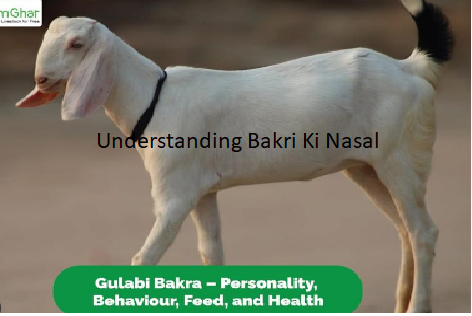
Choosing the right bakri ki nasal for your farm dictates your long-term success in the livestock industry. Whether you are aiming for milk production, high-quality meat, or fiber, understanding the genetic potential of different breeds is essential. This article breaks down the characteristics of popular goat breeds, their environmental adaptability, and their economic value to help you make an informed decision for your agricultural business.
Defining the Best Bakri Ki Nasal for Production
The term bakri ki nasal refers to the specific breed of a goat, which determines its physical traits and productive capabilities. Selecting the right breed depends entirely on your local climate, available feed, and your target market. Many farmers prioritize dual-purpose breeds that offer a balance between growth rates and reproductive efficiency.
In South Asia, the selection process often hinges on whether the goat is suited for stall-feeding or open grazing. Breeds like the Barbari are highly sought after for urban farming because they adapt well to confined spaces. Conversely, mountain breeds require vast grazing lands to maintain their health and muscle mass.
To maximize profit, you must match the breed to your specific infrastructure. A high-maintenance breed that requires expensive imported feed will yield poor returns if your local market price for meat or milk is low. Start by assessing the local demand before investing in premium genetics.
Key Characteristics of the Barbari Breed
The Barbari is arguably the most recognized bakri ki nasal in small-scale, intensive farming setups. Known for its compact size and high reproductive rate, it is a favorite for farmers with limited land. These goats are famous for their ability to thrive on minimal foliage, making them efficient converters of feed.
Barbari goats are typically white with reddish-brown patches, and they possess short, upright ears. They are highly resilient, showing strong resistance to common tropical diseases that often plague larger, less hardy breeds. This disease resistance reduces your veterinary costs significantly over the lifespan of the animal.
Farmers often report that Barbari goats can kid twice a year under optimal conditions. This frequency is a massive advantage for those looking to turn over their stock quickly for meat production. They are also known for producing high-quality milk, though the volume per lactation is lower compared to specialized dairy breeds.
The Beetal Breed: A Dairy Powerhouse
If you are looking for milk production, the Beetal is a dominant force in the region. This breed is large, tall, and produces significantly more milk than many other local varieties. It is often referred to as the “poor man’s cow” because of its utility in household milk supply.
Beetal goats have long, hanging ears and a roman nose, which are their most distinct physical features. They require a higher plane of nutrition compared to smaller breeds like the Barbari. If you do not provide high-quality protein and fiber, you will not reach the full milk potential of this breed.
Investing in Beetal genetics is a long-term strategy for dairy-focused operations. Because of their size, they also fetch a premium price during festive seasons like Eid. Their stature makes them an ideal choice for those who want to combine a steady daily income from milk with a high-value asset for meat sales.
Comparing Popular Goat Breeds
Understanding the differences between common breeds helps in planning your herd composition. The following table highlights some of the primary differences in size, purpose, and habitat suitability for common breeds found in the region.
| Breed | Primary Use | Size (Adult) | Best Environment |
|---|---|---|---|
| Barbari | Meat/Milk | Small | Urban/Stall-fed |
| Beetal | Milk/Meat | Large | Rural/Grazing |
| Jamnapari | Milk/Meat | Large | Plains/Grazing |
| Black Bengal | Meat | Small | Humid/Tropical |
These figures are generalized, and individual performance can vary based on the pedigree of the specific herd. Always source your stock from reputable breeders who keep accurate records of lineage and health. High-quality bloodlines are the foundation of any successful farming enterprise.
Management Tips for Different Breeds
Every bakri ki nasal requires a unique management approach to reach its maximum productivity. For instance, the Jamnapari is a large, heavy breed that needs sufficient space to move. If kept in cramped, damp sheds, they are prone to respiratory issues and foot rot.
Smaller, more active breeds like the Black Bengal require high-protein diets to maintain their muscle tone. They are often raised in humid, tropical climates where they forage for diverse plant species. Providing a consistent mineral block is essential for these breeds to prevent deficiency-related illnesses.
Water management is another factor that varies by breed. Larger, high-producing dairy breeds like the Beetal require significantly more water than smaller meat breeds. If your water source is inconsistent, your milk output will drop drastically within days.
The Role of Genetics in Farming Success
Genetics play a larger role in your bottom line than many beginning farmers realize. A goat with poor genetics will consume the same amount of feed as a high-performing one but will produce half the meat or milk. This is why investing in purebred sires is the fastest way to upgrade your herd.
You should aim to track the growth rates of your kids from birth to the six-month mark. This data will tell you which does (females) are producing the most efficient offspring. Cull the underperformers and keep the daughters of your best milkers or fastest growers.
Consulting the Food and Agriculture Organization’s animal production resources can provide you with a global perspective on breed standards. Understanding these international benchmarks helps in evaluating the quality of the stock you are purchasing locally. Maintaining a clean pedigree is the best way to ensure the long-term value of your farm.
Economic Considerations for Goat Farming
Profitability in goat farming is not just about the size of the animal, but the efficiency of the production cycle. You must account for the cost of feed, vaccines, and shelter when calculating your expected ROI. A breed that grows fast but requires expensive grain is often less profitable than a slower-growing breed that survives on local grass.
Labour costs are another factor that scale with the type of breed. A herd of 50 Barbari goats takes more time to manage than a herd of 20 larger Beetal goats due to their high reproductive rate. Calculate your available time before choosing a breed that requires intensive daily management.
Diversifying your income sources is a smart way to mitigate risk. Many farmers sell milk daily to cover operating costs while keeping their male kids for the meat market. This strategy ensures you have cash flow throughout the year rather than waiting for a single harvest period.
Common Mistakes in Breed Selection
One of the biggest mistakes is buying goats based solely on their appearance. A goat might look beautiful, but if it has a low twinning rate, it will never be profitable. Always ask for proof of reproductive history before purchasing a breeding doe.
Another error is ignoring the local climate. Bringing a cold-weather mountain breed into a hot, humid coastal region is a recipe for disaster. The animal will suffer from heat stress, lower its immunity, and likely succumb to parasites.
Avoid impulse buying at large livestock markets where the history of the animal is unknown. These markets are often filled with animals that have been culled from other farms for health or productivity issues. Always visit the farm of origin to see the animal’s parents and the environment in which it was raised.
Frequently Asked Questions
What is the most popular bakri ki nasal for beginner farmers?
For beginners, the Barbari is often recommended due to its hardy nature and ease of management. It is less demanding regarding feed quality and performs well in varied environments, making it a lower-risk starting point.
How do I know if a goat is healthy before buying?
Check for bright, alert eyes, a clean coat, and a normal gait. A healthy goat should have a good appetite, clear breathing without wheezing, and a firm, not overly runny, stool. Always check the teeth to estimate age and ensure they are not worn down.
Is it better to focus on meat or milk production?
This depends on your local market and your infrastructure. Milk production requires daily effort, specialized storage, and a consistent buyer. Meat production is seasonal but often requires less daily labor and allows for more flexible timing on sales.
How often should I vaccinate my goats?
Vaccination schedules vary by region and the specific diseases prevalent in your area. Typically, you should vaccinate against PPR, Enterotoxaemia, and Foot and Mouth Disease at least once or twice a year. Consult your local veterinary officer for a calendar specific to your district.
Can I mix different breeds in the same herd?
Yes, you can mix breeds, but you must be careful with feeding. Different breeds have different nutritional requirements, and you may need to separate them during feeding time to ensure each gets the right amount of nutrients. Mixing breeds can be useful for developing a custom crossbreed that suits your specific farm conditions.
Conclusion
Selecting the right bakri ki nasal is a fundamental step in building a profitable and sustainable goat farming operation. By carefully evaluating your local environment, market demand, and your own capacity for management, you can choose a breed that aligns with your financial goals. Whether you prioritize the high milk yield of the Beetal or the resilient, fast-breeding nature of the Barbari, success relies on consistent care and informed decision-making.
Remember that animal husbandry is a long-term commitment that rewards patience and data-driven improvements. As you gain experience, you will learn to refine your herd through selective breeding and better management practices. Keep researching the specific needs of your chosen breed and always prioritize the health of your animals to ensure the prosperity of your farm for years to come.
