

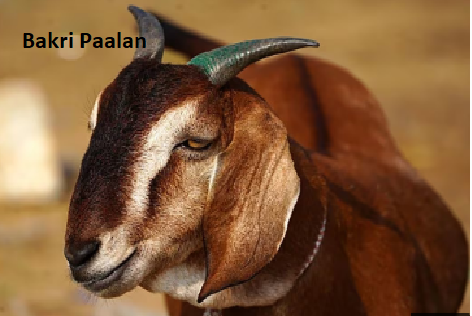
Engaging in bakri paalan, or commercial goat farming, offers a resilient pathway to agricultural income for small and medium-scale producers. By focusing on efficient herd management, proper nutrition, and market-linked sales, farmers can transform livestock rearing into a sustainable business model.
Understanding the nuances of breed selection and infrastructure requirements is the primary step for anyone looking to enter this sector. This article details the operational realities, financial projections, and technical requirements necessary for those planning to build a successful enterprise in the goat industry.
Essential Starting Capital and Financial Reality
Entering the field of bakri paalan requires a clear understanding of initial capital expenditure. For a small-scale unit of 20 goats, you can expect an initial investment ranging from INR 1.5 lakh to 3 lakh, depending on the breed and housing quality. This covers the purchase of foundation stock, shed construction, initial feed, and essential veterinary equipment.
Recurring costs are largely dominated by feed expenses, which account for roughly 60% to 70% of your operational budget. You must account for seasonal fluctuations in fodder prices, which can impact your margins during dry months. Many successful farmers mitigate this risk by growing a portion of their own green fodder, such as Napier grass or Lucerne, on-site.
Government schemes often provide subsidies to lower the barrier to entry for new farmers. These programs frequently offer interest subventions or direct capital subsidies of up to 33% to 50% for SC/ST and BPL category applicants. You should visit your district’s Animal Husbandry Department office to inquire about current eligibility criteria and the specific documentation required for your state.
Selecting the Right Goat Breed
Choosing the correct breed is the most critical decision in your business plan because it dictates your growth rate and market value. High-performing breeds like Sirohi, Barbari, or Jamnapari are popular due to their adaptability to various climatic conditions. If your region has high humidity, breeds like the Black Bengal are often preferred because they are hardy and resistant to local parasitic infections.
You should aim for breeds that exhibit high twinning rates, as this directly correlates to your annual profit. A goat that consistently produces two kids per kidding cycle is significantly more valuable than one that produces a single offspring. Check the pedigree of the foundation stock carefully; purchasing from registered breeders, rather than generic local markets, reduces the risk of underlying health issues.
Key Factors in Breed Selection
- Reproductive Efficiency: Look for breeds with a high kidding frequency and multiple births.
- Growth Rate: Prioritize breeds that reach market weight (approx. 25-30kg) within 9 to 10 months.
- Local Adaptation: Ensure the breed is comfortable in your specific ambient temperature and humidity.
- Market Demand: Choose breeds that are preferred by local butchers or meat wholesalers in your area.
Infrastructure and Housing Requirements
Effective bakri paalan relies on providing a clean, dry, and well-ventilated shelter for your animals. Goats are highly susceptible to respiratory issues and foot rot if kept in damp or overcrowded conditions. A raised-platform shed, often called a stall-fed system, is the industry standard for commercial farms because it prevents contact with manure and mud.
Construct your shed using locally available materials like bamboo, wood, or galvanized iron sheets to keep costs down. Ensure the floor is elevated at least 3 to 4 feet above the ground, with slatted flooring that allows waste to fall through. This design significantly reduces the incidence of disease and simplifies the daily cleaning process for your staff.
Ventilation is non-negotiable for maintaining healthy animals. You need to ensure there is adequate airflow to remove ammonia buildup from waste without creating cold drafts during the winter months. Proper light exposure also plays a role in the health of the herd, so ensure the shed is oriented to capture morning sunlight.
Nutritional Management and Feed Optimization
Balanced nutrition is the engine of your farm’s productivity. A goat requires a mix of green fodder, dry fodder, and concentrated feed to maintain a healthy growth curve. You should aim for a daily intake ratio where green grass constitutes about 50% of the diet, with the remainder split between dry straw and protein-rich concentrates.
Concentrate feed is essential for nursing does and growing kids, as it provides the energy density that forage alone cannot supply. You can prepare this mixture yourself using a combination of crushed maize, wheat bran, groundnut cake, and mineral supplements. Investing in a chaff cutter is mandatory, as it reduces wastage by ensuring the animals consume the stems of the grass along with the leaves.
Clean water access is the most overlooked aspect of goat health. A single adult goat can consume between 4 to 8 liters of water daily, depending on the temperature and its physiological state. Automated water troughs, or simple daily cleaning of buckets, prevent the spread of water-borne pathogens that can devastate an entire herd.
Health and Veterinary Protocols
Disease prevention is far more cost-effective than treatment in a commercial setting. You must establish a strict vaccination schedule for common conditions like PPR (Peste des Petits Ruminants), Enterotoxemia, and Foot-and-Mouth Disease. Consult a local veterinarian to create a calendar that aligns with the disease outbreaks common in your specific geography.
Deworming is another vital task that should be performed every 3 to 4 months. Internal parasites, such as stomach worms, are the silent killers of goat farming because they drain nutrients and stunt growth without obvious external symptoms. You can track individual animal health by keeping a simple logbook or using farm management software to record weight gains and vaccination dates.
Isolate new arrivals for at least 15 to 21 days before introducing them to your main herd. This quarantine period prevents the accidental introduction of contagious diseases that could lead to mass mortality. Always keep a small medical kit on-site containing antiseptic sprays, bandages, and basic antibiotics as prescribed by your vet.
Data Analysis: Profitability Comparison
Understanding the economic potential of your operation requires comparing different management styles. The following table illustrates the typical performance differences between traditional open-grazing and intensive stall-fed systems.
| Metric | Open Grazing | Stall-Fed System |
|---|---|---|
| Initial Cost | Lower | Higher |
| Growth Rate | Slow | Fast |
| Disease Risk | High | Low |
| Labor Intensity | High | Moderate |
| Market Value | Medium | Premium |
As shown in the table, while the stall-fed system requires more upfront capital, it provides a much higher return on investment through faster growth cycles and controlled health outcomes. Most commercial farms operating today prioritize the stall-fed approach to ensure consistent supply for the market.
Marketing and Sales Strategy
The profit in bakri paalan is realized only when you successfully sell your animals at the right time. Don’t wait until your goats are past their prime weight, as the cost of feeding them beyond their peak growth phase will erode your profit margins. Aim to sell your stock when they reach 25 to 30 kilograms, as this is the most sought-after weight for meat retailers.
Direct-to-consumer sales, such as selling directly to local restaurants or butchers, will always yield higher prices than selling to middlemen at the village market. You can also leverage social media platforms to showcase the quality of your stock to potential buyers in nearby cities. Building a reputation for selling healthy, well-fed animals will eventually allow you to charge a premium over market rates.
Consider diversifying your revenue streams beyond just meat. Manure is a highly sought-after organic fertilizer that can be sold to local vegetable farmers or used to boost your own fodder production. Some farmers also find success in selling high-quality breeding bucks to other local producers once their herd size stabilizes.
Future Outlook and Scaling
Scaling your farm should only happen after you have mastered the management of your first 20 to 50 goats. Rapid expansion without adequate experience is the most common cause of failure in the livestock sector. Focus on increasing your kidding percentage and reducing mortality rates before investing in more infrastructure or larger herds.
You should continuously educate yourself on modern techniques and government policies through resources provided by the Department of Animal Husbandry and Dairying. Staying informed about new feed technologies or breed improvements can give you a significant competitive advantage. As your business matures, you may explore value-added products like goat milk processing, which carries a higher profit margin than meat production alone.
Frequently Asked Questions
How much space does one goat need?
An adult goat typically requires about 10 to 12 square feet of floor space in a stall-fed system. Providing this amount of space ensures the animals are not stressed and have enough room to move, eat, and sleep comfortably.
Which is the best season to start goat farming?
The best time to start is generally just before the monsoon season begins. This allows your herd to settle in during the time when green fodder is naturally abundant, reducing your initial feed costs while the animals acclimatize.
How do I identify a healthy goat for purchase?
A healthy animal should have bright, clear eyes, a shiny coat, and a firm, full body. Check the animal’s temperature, observe its breathing for any rattling sounds, and ensure it is active and alert when approached.
Is it possible to start this with a full-time job?
Yes, but only if you have a reliable manager or family member on-site to handle daily feeding and cleaning. Goat farming is labor-intensive and requires consistent attention, so it is rarely a “set-and-forget” investment for those who are away all day.
How long does it take to become profitable?
Most well-managed farms begin to see a positive cash flow within 18 to 24 months. This timeline accounts for the initial growth, the first round of breeding, and the time taken for the first batch of kids to reach market weight.
Conclusion
Success in bakri paalan is built on the foundation of consistent daily habits rather than grand gestures. By focusing on the health of your animals, optimizing your feed costs, and maintaining a clear view of your local market, you can build a stable and profitable agricultural business. Remember that livestock management is a long-term commitment that rewards patience and attention to detail.
Start small, maintain rigorous health and vaccination records, and always prioritize the welfare of your herd. As you gain experience, you will learn to navigate the specific challenges of your local environment and refine your processes for better efficiency. Reach out to local veterinary experts or established farmers in your region to build a network of support as you begin your journey in this rewarding sector.
