

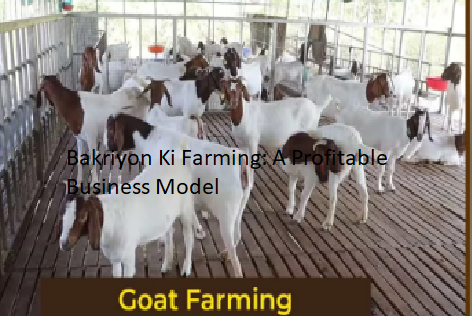
Starting bakriyon ki farming as a commercial venture offers significant potential for steady income due to the high demand for meat and dairy products. Success in this field requires a clear understanding of breed selection, disease management, and market dynamics to ensure long-term profitability.
By focusing on efficient feeding strategies and maintaining a healthy living environment for your herd, you can optimize output while minimizing operational overheads. This article outlines the essential steps for establishing a sustainable goat business, from initial setup costs to scaling operations effectively for maximum return on investment.
Financial Feasibility and Startup Costs
The primary question for most entrepreneurs is the initial capital required for bakriyon ki farming. On average, a small-scale setup with 20 to 30 goats requires an initial investment ranging from $2,000 to $5,000, depending on local land costs and infrastructure quality.
This budget covers the purchase of healthy livestock, construction of basic sheds, and initial medical supplies. You should allocate at least 30% of your total budget specifically for the first six months of feed, as this is your largest recurring expense.
Operating costs vary significantly based on whether you utilize free-range grazing or intensive stall-feeding methods. Stall-feeding requires higher investment in feed but leads to faster weight gain and higher market prices for the meat. Many successful farmers start with a hybrid model where goats graze during the day and receive supplemental fodder at night.
This approach balances the cost of commercial feed with the natural nutrition provided by pasture. Always maintain a cash reserve to handle unexpected veterinary emergencies, which can arise during seasonal transitions.
Selecting the Right Goat Breeds
Breed selection dictates your production goals, whether you prioritize milk, meat, or both. For meat production, popular breeds like the Beetal, Kamori, and Teddy are highly valued in the local market due to their growth rates and adaptability.
The Teddy breed, for instance, is known for its ability to produce twins or triplets, which increases the total herd size faster than other breeds. If your goal is dairy, focus on breeds specifically bred for higher milk yields, such as the Anglo-Nubian or specialized crossbreeds.
Research the local climate compatibility before purchasing your foundation stock. A breed that thrives in the humid conditions of the plains might struggle in the colder, mountainous regions. Always buy from reputable breeders who can provide vaccination records and health certificates for the animals.
Inspect the animals for signs of vitality, such as bright eyes, a clean coat, and active movement. Avoid purchasing animals that appear lethargic or have visible skin irritations, as these are often indicators of underlying health issues.
Infrastructure Requirements for Herd Housing
Goats require a clean, dry, and well-ventilated shelter to prevent respiratory diseases and parasitic infections. A raised platform housing system is highly recommended because it keeps the animals off the damp ground and makes cleaning easier.
Ensure the floor is slatted so that waste falls through, keeping the sleeping area sanitary. You should provide at least 10 to 12 square feet of space per goat to prevent overcrowding and stress.
Temperature control is vital for the health of your flock. During hot summer months, ensure the shelter has adequate airflow to prevent heat stress, which can drastically reduce appetite. In winter, insulate the shed to keep the temperature stable and protect the younger, more vulnerable kids.
Install secure fencing around your property to protect the animals from predators like stray dogs or wild animals. Routine maintenance of the shed, including regular disinfection, will significantly lower the risk of disease outbreaks within your herd.
Nutrition and Feeding Management
Proper nutrition is the backbone of successful goat farming because it directly impacts weight gain and reproductive success. A balanced diet consists of a mix of green fodder, dry hay, and concentrated grains to ensure all essential nutrients are met.
You can grow crops like berseem, alfalfa, or maize on-site to reduce feed costs significantly. Supplement these with mineral blocks to provide necessary trace elements that might be missing from natural grazing.
Water is often overlooked, yet goats need access to clean, fresh water at all times to maintain high metabolism. A dehydrated goat will lose weight quickly and become susceptible to illness. Implement a strict feeding schedule to maintain the health of the digestive system, as sudden changes in diet can cause bloating or diarrhea.
Consult with local agricultural experts to understand the specific nutritional requirements of the breeds you are raising. According to the Food and Agriculture Organization of the United Nations, proper dietary management is the single most effective way to increase the lifespan and productivity of small ruminants.
Disease Prevention and Veterinary Care
Proactive health management is critical because treating sick animals is far more expensive than preventing illness. Establish a vaccination schedule for common diseases like PPR (Peste des Petits Ruminants), enterotoxemia, and foot-and-mouth disease.
De-worming should be performed at least every three to four months to ensure the goats can absorb nutrients effectively. Keep a dedicated isolation area for any animal that shows signs of illness to prevent the spread of infection to the healthy herd.
Maintain a detailed health log for each animal, noting dates of vaccinations, de-worming treatments, and any medical issues encountered. This record is invaluable when you are ready to sell your goats, as buyers are willing to pay a premium for animals with documented health histories.
If you notice symptoms such as coughing, nasal discharge, or sudden weight loss, contact a veterinarian immediately. Early intervention is the difference between a minor health setback and a total loss of your investment.
Key Operational Data for Goat Farming
Understanding the metrics of your farm allows you to make data-driven decisions that improve profitability. The following table provides a general overview of the production milestones you should aim for in a commercial setup.
| Milestone | Average Duration/Value |
|---|---|
| Gestation Period | 145 to 155 days |
| Weaning Age | 3 to 4 months |
| Marketable Weight | 25 to 35 kg |
| Feed Conversion Ratio | 4:1 to 6:1 |
| Reproductive Cycle | 1.5 to 2 times per year |
Monitoring these figures helps you identify which animals are underperforming and should be culled from the herd. By tracking the feed conversion ratio, you can determine if your current feed mix is cost-effective.
Consistent data collection is the primary difference between a hobbyist and a professional in the livestock industry. Use this information to forecast your sales and plan your breeding cycles to coincide with periods of high market demand, such as religious festivals or holidays.
Marketing and Sales Strategy
The success of your business depends on how effectively you can sell your livestock. Most farmers sell to local butchers, wholesale markets, or private buyers looking for animals for personal consumption.
To maximize profit, aim to sell your goats during peak demand seasons like Eid-ul-Adha, when prices can increase significantly. Building relationships with local wholesalers early on provides a consistent outlet for your stock, even during off-peak seasons.
Consider digital marketing as a tool to expand your reach beyond your immediate geographic area. Posting clear photos and videos of your healthy, well-fed goats on social media platforms can attract buyers from nearby cities. Transparency about the age, weight, and health of the animals builds trust, which leads to repeat customers.
If you are producing milk, explore partnerships with local dairies or specialty food shops that prioritize fresh, organic goat milk. Diversifying your sales channels ensures that you are not dependent on a single buyer or market fluctuation.
Essential Checklist for New Farmers
Before you begin, ensure you have addressed the following operational requirements to avoid common pitfalls.
- Secure a reliable source of clean water for the entire herd.
- Identify a nearby veterinarian who specializes in small ruminants.
- Establish a reliable supply chain for affordable, high-quality fodder.
- Ensure your land has adequate drainage to prevent muddy conditions.
- Secure the perimeter with strong fencing to deter predators.
- Develop a record-keeping system for births, deaths, and expenses.
Following this list helps you stay organized during the stressful initial phase of setting up your farm. Do not rush the process; take the time to prepare the infrastructure before bringing in the animals.
A well-prepared environment reduces the stress on the goats, allowing them to settle in and begin gaining weight immediately. Success in this industry is a marathon, not a sprint, so prioritize sustainability over short-term gains.
Frequently Asked Questions
How much land is needed for 1000 goats?
For a herd of 1000 goats, you would need approximately 10 to 15 acres if you are using intensive stall-feeding methods where fodder is brought to the animals. If you rely on grazing, the land requirement increases significantly to 50 or more acres, depending on the quality of the pasture and rainfall.
How many months does it take to grow a goat for market?
Generally, it takes about 6 to 9 months to raise a goat from birth to a marketable weight of 25 to 35 kilograms. This timeline can be shortened to 5 or 6 months if you use high-quality concentrated feed and maintain excellent health protocols.
Which goat farming is most profitable?
The most profitable approach is usually intensive stall-feeding combined with breeding high-demand meat breeds. This model allows for higher stocking density and faster growth rates compared to traditional free-range grazing.
What is the biggest risk in goat farming?
The biggest risk is disease outbreak, particularly during the rainy season or during periods of temperature fluctuation. Respiratory infections and parasitic infestations can spread rapidly, so strict biosecurity and vaccination schedules are essential.
Is it possible to start with a very small budget?
Yes, you can start with as few as two or three goats to learn the basics of management and breeding. Scaling up slowly allows you to reinvest your profits into better infrastructure and more animals without taking on excessive debt.
Conclusion
Engaging in bakriyon ki farming represents a viable business opportunity for those willing to manage the day-to-day requirements of livestock care. By focusing on breed quality, veterinary health, and efficient feeding, you can build a productive herd that generates consistent revenue. Remember that success depends heavily on your ability to monitor costs and adapt to market changes.
Whether you are starting with a small backyard setup or planning a larger commercial operation, the principles of cleanliness, consistent nutrition, and proactive disease management remain the same. Start small, document your progress, and refine your methods as you gain experience. With a disciplined approach to your herd, you will find that the effort invested in your animals yields tangible rewards over time.
