

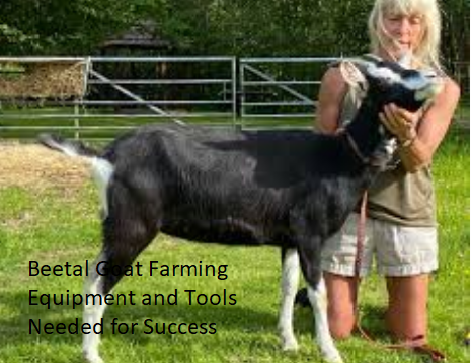
Setting up a productive operation requires careful planning regarding the specific beetal goat farming equipment and tools needed to maintain herd health and efficiency. Because Beetal goats are a large, high-yielding dairy breed originating from the Punjab region, they demand robust infrastructure capable of handling their size and nutritional requirements. Investing in the right gear early reduces labor costs and prevents common health issues associated with poor facility management.
This article breaks down the essential hardware, feeding apparatus, and health management systems necessary to manage a successful Beetal operation. By prioritizing these specific investments, you create a sustainable environment where your livestock can thrive and produce high-quality milk consistently.
The most critical aspect of your initial setup involves the physical housing and shelter for the herd. Beetal goats are sensitive to extreme weather, requiring sturdy, well-ventilated structures that protect them from direct rain and heat. You should prioritize a shed design that includes elevated flooring to keep the animals dry and prevent hoof rot.
Concrete or raised slatted floors are industry standards that allow for efficient waste management. Ensure the height of the shed allows for adequate airflow, as these goats can suffer from respiratory issues in stagnant, damp environments.
When considering the beetal goat farming equipment and tools needed for nutrition, you must invest in high-quality feeding troughs. Avoid ground-feeding, as it leads to high rates of parasitic infection and feed wastage. Elevated troughs should be constructed from materials that are easy to clean, such as galvanized steel or heavy-duty food-grade plastic.
A hanging design prevents the goats from stepping into the feed or contaminating it with fecal matter. You will also need separate mineral blocks or specialized bowls to ensure they receive essential salts and micronutrients daily.
Water management constitutes a significant portion of your daily labor if not automated. A single lactating Beetal goat can consume up to 4 to 6 liters of water daily, depending on the ambient temperature. You should install automatic water nipples or gravity-fed troughs to ensure a constant supply of clean, fresh water.
If you use open troughs, they must be scrubbed weekly to prevent the buildup of algae and bacteria. Proper hydration directly correlates to milk yield, making this one of your most important infrastructure investments.
Health maintenance requires a specific set of tools that every farmer should keep in a dedicated, sanitary kit. You need a reliable digital thermometer to check for fevers, which are often the first sign of illness in a herd. A high-quality stethoscope is also recommended for monitoring rumen sounds, which helps diagnose digestive blockages or bloat.
Keep a stock of syringes of varying sizes, along with sharp, sterile needles for administering routine vaccinations and deworming medications. You can find detailed veterinary guidelines on the World Organisation for Animal Health website to ensure your medical protocols meet global safety standards.
Handling and restraint equipment is vital for the safety of both the farmer and the animals. Beetal goats can be strong, especially when they reach maturity, so having a sturdy head gate or crush is non-negotiable. This tool keeps the goat stationary during hoof trimming, medical treatments, or milking sessions.
You should also acquire a set of sharp hoof trimmers and a rasp to maintain proper foot health. Neglecting hoof care leads to lameness, which significantly reduces the mobility and productivity of your dairy stock.
The following table outlines the essential equipment categories and their primary functions for a standard Beetal goat operation.
| Equipment Category | Primary Function | Maintenance Frequency |
|---|---|---|
| Feeding Troughs | Prevents feed contamination | Daily cleaning |
| Automatic Waterers | Ensures constant hydration | Weekly inspection |
| Head Crush/Gate | Safe animal restraint | Monthly oiling/check |
| Hoof Trimmers | Prevents foot rot/lameness | After each use |
| Digital Scale | Monitors growth and health | Bi-annual calibration |
Milking equipment is the heart of a Beetal dairy business. If you are scaling beyond a few goats, manual milking becomes physically taxing and time-consuming. Consider investing in a portable bucket milking machine designed specifically for small ruminants.
These machines provide a more hygienic environment than hand-milking and significantly reduce the risk of mastitis. Always keep spare liners and tubing on hand, as these rubber components degrade over time and lose their suction efficiency.
Record-keeping tools are often overlooked but are essential for profitability. You should maintain a ledger or digital database that tracks the breeding history, birth weights, and milk output of every individual goat. A digital scale is the only way to accurately measure these metrics, which helps you identify your most and least productive animals.
By culling low-producers and keeping offspring from your best milkers, you gradually improve the genetic potential of your entire herd. These data points are the foundation of any long-term business strategy in the livestock sector.
Fencing and pasture management tools ensure your goats stay secure and healthy while grazing. You need high-tensile woven wire fencing that is at least 48 inches high to prevent escape and deter predators. If you are practicing rotational grazing, portable electric netting is a cost-effective solution for creating temporary paddocks.
You will also need a brush cutter or scythe to clear overgrown areas that might harbor parasites or poisonous weeds. Keeping the perimeter secure prevents the loss of expensive breeding stock and reduces the risk of disease transmission from stray animals.
Proper storage for fodder and supplements is a final, critical piece of the puzzle. You need a dry, rodent-proof storage area to house your hay, grains, and concentrated feed mixes. Moisture is the enemy of stored feed, as it promotes the growth of toxic molds that can be fatal to goats.
Use pallets to keep feed sacks off the ground, ensuring air circulation underneath them. A dedicated feed room also prevents goats from accidentally gorging on grain, which can lead to severe metabolic issues like acidosis.
- Sturdy shelter with elevated flooring to prevent dampness.
- Elevated, non-corrosive feeding troughs for hygiene.
- Automatic water systems to ensure consistent supply.
- Restraint head gates for safe medical and milking procedures.
- Hoof trimming tools to maintain mobility and health.
- Portable milking machines for larger, commercial-scale operations.
- Digital scales to track weight, growth, and output metrics.
- High-tensile fencing for predator control and pasture security.
Frequently Asked Questions
What is the minimum number of goats to start a profitable farm?
Most experts suggest starting with a small herd of 10 to 15 does and one buck. This size allows you to learn the nuances of herd management and the specific beetal goat farming equipment and tools needed without overwhelming your initial investment. Scaling too quickly often leads to higher mortality rates due to a lack of experience in handling medical emergencies.
How often should I trim the hooves of my Beetal goats?
You should inspect and trim hooves every 6 to 8 weeks, depending on the terrain and the amount of time the goats spend on concrete. Overgrown hooves are a primary cause of lameness and can trap bacteria, leading to painful infections. Keeping a sharp set of trimmers in your toolkit is essential for preventing these long-term mobility issues.
Can I use cow milking machines for my goats?
You generally cannot use standard cow milking machines because the vacuum pressure and teat cup size are incompatible with goats. Goats require specialized, lower-pressure equipment to avoid damaging their delicate udder tissue. Always purchase equipment specifically engineered for dairy goats to ensure animal welfare and milk quality.
What is the most important health tool for a beginner?
A high-quality digital thermometer is the most essential tool for a beginner. Because goats are prey animals, they often hide signs of illness until they are severely compromised. Monitoring their temperature allows you to intervene early, often before a simple infection becomes a life-threatening condition.
How do I prevent feed wastage in the shed?
Feed wastage is almost always caused by goats stepping into their food or knocking over containers. Using wall-mounted, V-shaped feeders keeps the forage at head height, which is the natural position for a goat. If you use grain, ensure the bowls are deep enough that the goats cannot toss the contents out while eating.
Conclusion
Establishing a successful dairy operation relies heavily on your commitment to acquiring the right infrastructure from the start. By focusing on the essential beetal goat farming equipment and tools needed, you minimize the risk of disease and maximize the productivity of your herd. Whether it is a simple investment in elevated feeding troughs or a more complex commitment to automated milking systems, each piece of gear serves a distinct purpose in your farm’s health and longevity.
Consistency in maintenance and a disciplined approach to record-keeping will transform your initial setup into a thriving, profitable enterprise. Take the time to source high-quality materials and prioritize the comfort of your animals, and you will see the results in your daily output and herd vitality. Start by evaluating your current space and planning your equipment layout to ensure a smooth, efficient workflow for the years ahead.
