

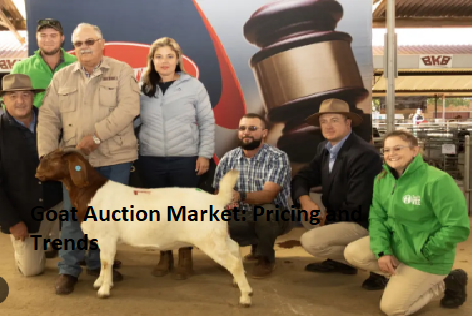
The goat auction market serves as the primary engine for price discovery in the small ruminant industry, connecting producers directly with buyers and processors. Understanding the factors that drive these sales is essential for farmers looking to maximize their profit margins and time their entry into the market effectively. By analyzing current trends and regional demands, you can better position your livestock for higher returns at the sale barn.
Current pricing in the goat auction market fluctuates significantly based on animal weight, breed, and seasonal demand. A high-quality meat goat, such as a Boer or Kiko cross weighing between 50 and 70 pounds, often commands a premium price per pound during peak holiday seasons.
In recent regional sales, these animals have fetched between $3.50 and $4.25 per pound, depending on the local supply chain’s immediate needs. Lighter kids or older cull animals typically see lower bids, often dropping to the $2.00 to $2.75 per pound range.
Market Dynamics and Price Discovery
The price of goats at auction is rarely static, as it is heavily influenced by the immediate intersection of supply and demand. Auction houses function as transparent venues where the collective valuation of livestock is tested in real-time. When a buyer needs specific weight classes for a holiday order, they will often bid aggressively, driving up the price per pound for that specific category.
Geography plays a massive role in what you can expect to receive for your animals. Markets located near large metropolitan areas with diverse ethnic populations frequently see higher demand for specific goat sizes.
These buyers often prioritize carcass quality and specific age ranges for traditional religious or cultural celebrations. If you are far from these hubs, transportation costs may eat into your margins, making local smaller sales more attractive despite potentially lower per-head prices.
Seasonal Influences on Sales
Seasonality dictates the rhythm of the goat auction market more than almost any other factor. Prices typically climb steadily in the weeks leading up to major religious holidays, such as Eid al-Adha or Easter. During these windows, demand for specific sizes—often ranging from 40 to 60 pounds—spikes, and auction prices can rise by 20% or more compared to the annual average.
Producers who plan their breeding cycles to hit these specific market windows often realize higher profitability. If you have kids hitting the 50-pound mark exactly when the market is undersupplied, your potential for a premium bid increases dramatically. Conversely, selling during the off-season, when supplies are high and demand is flat, can result in prices that barely cover the cost of production.
| Weight Class | Est. Price per lb (Average) | Premium Demand Period |
|---|---|---|
| 30-50 lbs | $3.80 – $4.50 | Spring Holidays |
| 50-70 lbs | $3.25 – $4.00 | Late Summer/Autumn |
| 70-90 lbs | $2.50 – $3.10 | Year-round |
| Cull Goats | $1.50 – $2.25 | Low demand |
Quality Indicators for Top Bids
Buyers at auction look for specific physical traits that signal a healthy, well-muscled animal ready for processing. A goat that shows good “bloom”—a term used to describe a healthy coat and solid body condition—will always attract more attention than one appearing thin or stressed. Muscling, particularly in the loin and hindquarters, is the primary metric for meat yield, which is what the end buyer is ultimately paying for.
Uniformity is another secret weapon for achieving higher prices in the ring. If you bring a group of five goats that are similar in size, color, and condition, they are more likely to be sold as a single lot.
Buyers prefer consistent lots because it minimizes their processing work and ensures a predictable output. Mixing breeds or vastly different weight classes in one pen often forces the auctioneer to break the group up, which can lead to lower prices for the smaller or less desirable individuals.
Impact of Breed Selection
While meat production is the primary driver, the breed of the animal remains a significant factor in the goat auction market. Boer goats are widely recognized as the industry standard for meat production due to their superior growth rates and muscle development. A purebred or high-percentage Boer cross will almost always out-price a dairy breed or a mixed-heritage animal of the same weight.
Dairy breeds, such as Nubians or Alpines, are often sold at a discount in meat-focused auctions because they lack the frame and muscling of a dedicated meat breed. However, there is a niche for these animals in certain markets where they are valued for their frame size rather than muscle density. If you are raising goats specifically for the auction block, focusing on meat-heavy genetics is the most effective way to ensure a higher return on your investment per pound.
Standard Practices at Auction Houses
Most livestock auctions operate on a commission basis, where the house takes a percentage of the final sale price. Before you arrive, it is vital to understand the “shrink” factor, which is the weight loss an animal experiences during transport. Keeping your animals hydrated and minimizing their time in a trailer can help preserve their weight and ensure they look their best when they hit the scale.
Be aware that most auction houses have specific health requirements for incoming livestock. These might include mandatory ear tags, specific vaccination records, or documentation regarding the animal’s scrapie status.
Failing to meet these requirements can lead to your animals being rejected at the gate or sold at a significant discount. Checking the USDA Agricultural Marketing Service reports for your region provides the most accurate, up-to-date data on current trends and local auction house requirements.
Financial Management and Profitability
Calculating your true cost of production is the only way to know if you are actually making money in the goat auction market. Many producers fail to account for the cost of supplemental feed, veterinary care, and the time required to manage the herd. If your input costs exceed the market price per pound, you are essentially losing money with every sale, even if the auctioneer announces a high final bid.
Diversifying your income streams can help offset the volatility of the auction market. While some producers sell exclusively at auction, others maintain a private sales list for local customers who want to purchase directly from the farm. This dual approach allows you to capture the high prices of the auction when demand is hot, while maintaining steady cash flow through private sales during slower periods.
- Maintain accurate records of feed costs per head.
- Monitor regional auction reports weekly to spot price spikes.
- Invest in high-quality breeding stock to improve herd genetics.
- Optimize weaning schedules to match peak holiday demand.
- Minimize transport stress to reduce weight loss before sale.
Common Risks and Challenges
Market volatility is the most significant risk facing any producer who relies heavily on the auction system. A sudden drop in demand or an oversupply of goats in your region can cause prices to plummet overnight. Having a contingency plan, such as holding your animals for an extra month or seeking a different buyer, can help you avoid selling at a loss when the market dips.
Disease outbreaks in a local area can also lead to temporary, but devastating, closures or strict quarantine measures at auction facilities. Maintaining a closed herd or strictly vetting any new animals brought onto your property is a necessary safeguard. A single sick animal can jeopardize your ability to sell your entire herd, leading to significant financial losses and long-term reputational damage at the local sale barn.
Future Trends in the Industry
The demand for goat meat is showing long-term growth as consumer demographics in many regions shift toward a more diverse array of protein sources. As this demand increases, the goat auction market is likely to become more sophisticated, with better data tracking and more competitive bidding. We are already seeing an increase in hybrid auctions that allow for both physical and online bidding, expanding the reach of local sale barns.
Technology will continue to play a larger role in how these markets function. Apps that provide real-time updates on livestock prices and upcoming sale dates allow producers to make faster, more informed decisions about when to sell. Staying ahead of these technological shifts will be vital for any serious producer looking to remain competitive in the coming years.
Frequently Asked Questions
How much are goats selling for at auction?
Prices vary wildly based on weight and quality but generally range from $2.00 to $4.50 per pound. High-quality meat kids during peak demand periods typically see the top end of that range.
What is the best month to sell goats?
The best months are typically those leading up to major religious holidays. Depending on the calendar year, this often falls in the spring for Easter or mid-summer and autumn for other cultural celebrations.
Is it profitable to sell goats at auction?
It can be very profitable if you manage your input costs and time your sales to match periods of high demand. Profitability depends on the margin between your production cost per pound and the final auction bid.
What is the most important factor for a high bid?
Animal weight and body condition are the most critical factors. A healthy, well-muscled goat that falls into the preferred weight range for the current market will almost always command the highest price.
Do I need special paperwork to sell at auction?
Most states require specific identification, like scrapie tags, for all goats entering an auction facility. Always contact your local auction house beforehand to confirm their specific health and documentation requirements.
Market Outlook and Next Steps
Navigating the goat auction market requires a balance of timing, production efficiency, and market awareness. By focusing on producing high-quality meat-breed animals that meet the specific weight requirements of your local buyers, you can significantly improve your chances of success. It is essential to keep a close watch on regional price reports and adjust your breeding and feeding schedules accordingly.
If you are new to the industry, start by attending several auctions as an observer before bringing your own livestock. Watching how different animals are graded and sold will give you a better feel for the local landscape than any manual can provide. With careful planning and a commitment to quality, you can build a sustainable, profitable operation within the dynamic goat auction market.
