

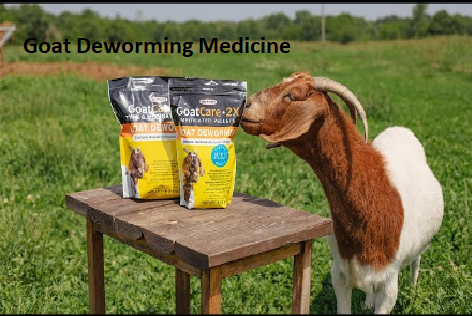
Effective management of your herd requires a clear understanding of goat deworming medicine and how to apply it safely. Parasites are the primary health challenge for most goat owners, leading to weight loss, anemia, and reduced productivity if left unchecked.
By identifying the right chemical classes and administering them at the correct intervals, you can prevent severe infestations. This overview provides the specific protocols and technical details necessary to protect your animals from common gastrointestinal worms.
The most effective goat deworming medicine typically falls into three main pharmacological categories: Benzimidazoles, Macrocyclic Lactones, and Nicotinic agonists. You should select your product based on the specific resistance patterns present in your local area. For many producers, Moxidectin or Fenbendazole serve as the primary defensive agents.
These drugs work by paralyzing the nervous system of the parasites or disrupting their energy metabolism. Always prioritize products labeled specifically for small ruminants to ensure the concentration is appropriate for their high metabolic rates.
Resistance and Drug Selection
Parasite resistance is the most significant hurdle in modern herd management. Many worms have evolved to survive standard doses of common medications, rendering some treatments ineffective. You should perform a fecal egg count (FEC) before choosing a dewormer to confirm which parasites are present.
Over-reliance on a single class of medication accelerates the development of resistant worm populations on your property. Rotate your chemical classes annually or use a combination therapy only under the direct supervision of a veterinarian to slow this process.
When selecting a product, check the label for the active ingredient rather than just the brand name. Common ingredients like Ivermectin are widely used, but their efficacy varies drastically by region.
If you notice persistent symptoms like bottle jaw or pale mucous membranes after treatment, your herd may be dealing with resistant strains. In such cases, consulting with a diagnostic lab is essential to determine the correct pharmacological intervention.
Correct Dosage Calculations
Calculating the exact dose of goat deworming medicine is a matter of life and death. Goats have a higher metabolic rate than sheep or cattle, meaning they process drugs much faster.
Under-dosing is a primary cause of treatment failure because it allows the hardiest parasites to survive and reproduce. You must weigh each animal individually using a livestock scale rather than estimating by sight to avoid dangerous errors.
Many owners make the mistake of using cattle-strength products without adjusting the volume correctly. While some cattle products share active ingredients, the concentration per milliliter often differs significantly.
Always calculate the dose based on the weight of the goat in kilograms or pounds as specified by the manufacturer. If you are administering an oral drench, ensure the nozzle is placed over the back of the tongue to prevent the goat from spitting out the medicine.
| Dewormer Class | Common Active Ingredient | Primary Target |
|---|---|---|
| Benzimidazoles | Fenbendazole | Stomach Worms |
| Macrocyclic Lactones | Moxidectin | Lungworms |
| Nicotinic Agonists | Levamisole | Resistant Strains |
Monitoring Health with FAMACHA
The FAMACHA system is a critical tool for managing anemia associated with the Haemonchus contortus or barber pole worm. This parasite sucks blood, causing the inner eyelid of the goat to turn from a healthy pink to a pale white.
By checking the color of the mucous membrane, you can identify which goats need treatment immediately. This method allows you to leave healthier animals untreated, which preserves a population of “refugia” worms that remain susceptible to medication.
Implementing this system requires regular training to read the color chart accurately. You should inspect your herd at least every two weeks during the wet season when parasites are most active.
Only treat the animals that score a 3, 4, or 5 on the FAMACHA scale. This targeted approach is the gold standard for sustainable parasite control and is supported by research from the American Consortium for Small Ruminant Parasite Control.
Environmental Management Strategies
Medicine alone cannot solve a parasite problem if the environment remains contaminated. Worm larvae live in the grass and are consumed by goats as they graze.
You can significantly reduce the parasite load by practicing rotational grazing. Move your goats to fresh, ungrazed paddocks frequently to prevent them from eating near the ground where larvae congregate.
Keeping your water troughs clean and elevated prevents the buildup of moisture that parasites need to survive. Avoid overstocking your pastures, as high density forces goats to graze closer to the soil.
If you have limited space, consider mixed-species grazing by running cattle or horses in the same pasture. These animals consume the larvae that are harmful to goats but are not affected by them, effectively cleaning the pasture for your herd.
Understanding Withdrawal Periods
Every goat deworming medicine comes with a mandatory withdrawal period for both meat and milk. This is the duration you must wait after the last treatment before the animal can be processed or its milk consumed.
Failing to observe these dates can lead to trace amounts of chemical residue entering the human food supply. These periods are strictly regulated and vary based on the specific drug used and the method of administration.
Always record the date of treatment, the specific drug, and the dosage for every animal in your herd. Use a permanent marker on a tag or a digital logbook to keep these records accessible.
If you sell animals, you are legally and ethically obligated to inform the buyer of the treatment history. Ignoring these safety windows poses a risk to public health and can result in severe legal consequences for the producer.
Identifying Signs of Infestation
Recognizing the early symptoms of a parasite overload allows you to act before the situation becomes critical. While anemia is the most famous sign, other indicators include a rough, dull coat and a general lack of energy.
Goats that are lagging behind the rest of the herd during grazing are often suffering from a significant worm burden. Pay close attention to the consistency of their manure, as diarrhea is a common reaction to intestinal irritation.
Weight loss is a lagging indicator, meaning the damage is already severe by the time you notice it. Use a body condition score (BCS) to monitor your goats on a scale of 1 to 5.
A goat that drops from a 3 to a 2 in a short period needs immediate evaluation. If you suspect an infestation, do not wait for the situation to resolve on its own, as internal damage to the digestive lining can be permanent.
Safe Storage and Handling
Proper storage of your goat deworming medicine is essential to maintain its potency. Most liquid drenches should be kept in a cool, dry place away from direct sunlight.
Exposure to extreme heat or freezing temperatures can cause the active chemical compounds to degrade, making the medicine ineffective. Always check the expiration date on the bottle before each use; expired products can sometimes be toxic or simply fail to work.
Keep your medical supplies organized in a dedicated bin that is out of reach of children and pets. Use sterile syringes and needles if you are administering injectables, and dispose of all sharps in a puncture-proof container.
If you have leftover medication, consult your local veterinarian on the safest way to dispose of it. Never pour unused chemicals into the ground or down the drain, as this can contaminate local water sources.
Common Mistakes to Avoid
Many producers fall into the trap of deworming on a set calendar schedule, such as “every month.” This practice is outdated and contributes heavily to the rise of drug-resistant parasites.
Instead of a calendar, base your treatment decisions on actual clinical findings like FAMACHA scores or fecal counts. You should only treat the individual animal that shows symptoms rather than blanketing the entire herd with medication.
Another common error is using a dosage that is “close enough” for the weight of the goat. Because these medicines have narrow margins of safety, overdosing can cause neurological issues or even death in sensitive animals.
Always use a digital scale to get an exact weight before measuring your dose. If you are unsure about the safety of a particular brand, contact your veterinarian before administering the first dose to ensure it is appropriate for your specific breed and age of goat.
- Perform regular FAMACHA eye checks to monitor anemia levels.
- Use a livestock scale for precise weight-based dosing.
- Keep detailed records of treatment dates and withdrawal times.
- Rotate pastures to disrupt the parasite life cycle naturally.
- Consult with a vet to identify the specific worms affecting your land.
Frequently Asked Questions
How often should I check my goats for parasites?
During the warmer, wetter months when parasites thrive, you should perform a physical check of the eyes and body condition every two weeks. In colder or drier seasons, a monthly check is usually sufficient to maintain herd health.
Can I use horse dewormer on my goats?
It is generally discouraged to use horse products because the concentration and delivery method are designed for a much larger animal. The risk of toxicity is extremely high, and you may find it impossible to measure an accurate dose for a goat’s smaller body weight.
What should I do if the medicine doesn’t seem to work?
If you see no improvement in your goat’s FAMACHA score after treatment, you likely have resistant parasites. Contact a veterinarian to perform a fecal egg count reduction test (FECRT) to determine which drugs are still effective on your farm.
Are there natural alternatives to chemical dewormers?
While some herbal supplements or plants like sericea lespedeza show promise in supporting gut health, they are not a substitute for medical treatment during a severe infestation. Always rely on proven clinical medicine for acute cases and use natural methods only as a secondary support strategy.
Why is my goat losing weight despite being dewormed?
Weight loss can be caused by factors other than parasites, such as poor-quality forage, dental issues, or chronic illnesses like Caseous Lymphadenitis. If your deworming protocol is correct but the goat remains thin, a full physical examination by a vet is necessary to rule out other conditions.
Effective herd management relies on a thoughtful, evidence-based approach to parasite control. By utilizing tools like the FAMACHA system, keeping precise weight records, and rotating your pastures, you minimize the need for heavy chemical intervention. Remember that the goal is not to eliminate every worm, but to keep the population at a level where your animals can remain productive and healthy.
Always consult with your local veterinarian to tailor your strategy to the specific challenges of your region. By staying informed about the latest developments in goat deworming medicine, you ensure a sustainable and thriving future for your animals. Consistent monitoring and careful planning remain your best defenses against the hidden threat of internal parasites.
